
Summary
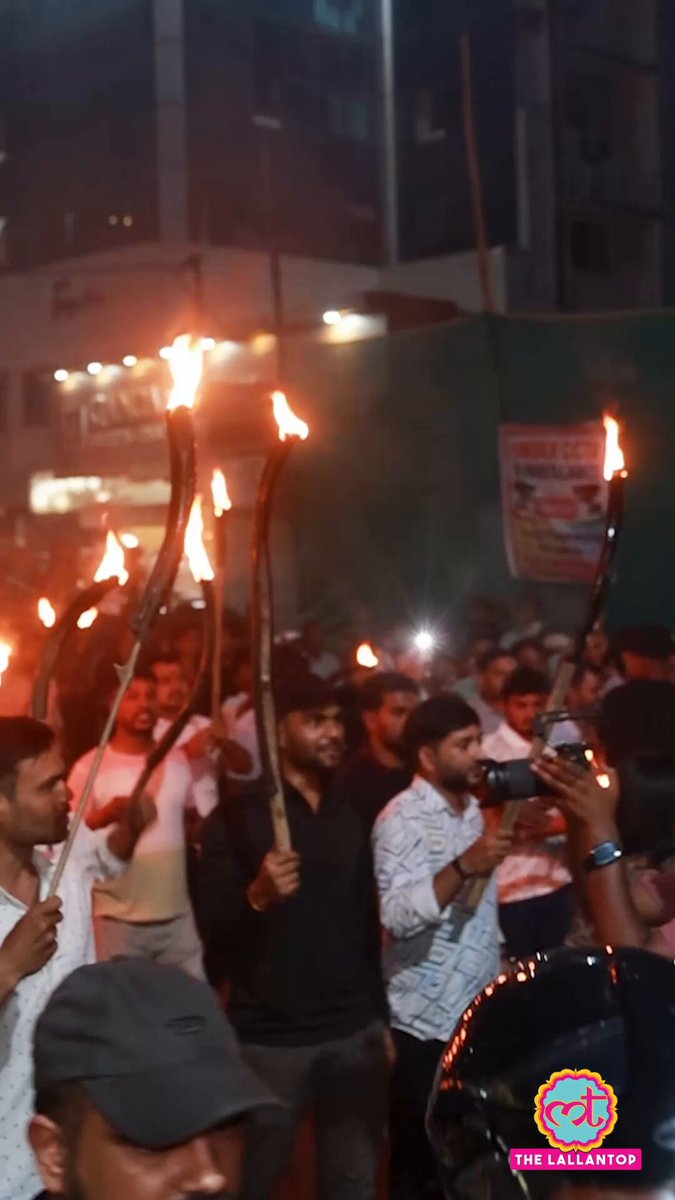
Thousands of Gen Z protesters took to the streets of Ranchi, demanding justice amid the ongoing JPSC-JSSC agitation. Armed with torches, these students aimed to convey their messages to the government, highlighting their grievances regarding recruitment processes and fairness in examinations.
Context of the Protests
The protests in Ranchi, capital of Jharkhand, come against the backdrop of rising discontent among youth regarding the performance and transparency of recruitment bodies like the Jharkhand Public Service Commission (JPSC) and the Jharkhand Staff Selection Commission (JSSC). These institutions are responsible for organizing examinations and recruiting candidates for various government jobs, which are seen as critical for securing the future of many young job seekers in the state.
In recent months, numerous allegations have been levied against these commissions regarding unfair practices, irregularities in exam processes, and delayed results. Many students and job aspirants claim that these issues have severely impacted their career prospects, igniting a movement that has been gaining traction. Students have previously taken to social media and organized rallies to voice their concerns, further uniting around shared grievances.
Details of the March
The recent torch-lit march by thousands of students in Ranchi was a symbolic gesture aimed at illuminating their plight and the demand for accountability from government agencies. The sight of torch-wielding youth in the streets served as a powerful visual to convey both urgency and determination. Participants expressed their frustrations not only through slogans but also by sharing personal stories of anxiety regarding their futures.
As they marched, protesters chanted demands for justice, calling on government officials to address the inefficiencies and perceived injustices in the recruitment process. This rally was not merely a protest; it emphasized the necessity for systemic reforms and transparent processes in public service recruitment.
Government’s Response
The state government’s reaction to these protests has been marked by a mix of concern and dismissal, with officials often pointing to ongoing reforms and assurances that steps are being taken to address the issues raised. However, many protesters remain skeptical, asserting that mere promises are insufficient and demanding concrete actions.
Moreover, the police presence during the protests has been noted, with officers monitoring the situation closely, indicating the government’s apprehension about potential unrest. Critics argue that rather than engaging in meaningful dialogues, the government’s approach may be seen as an effort to suppress dissent.
Why This Matters
The scale and intensity of these protests highlight a growing political awareness among young people in India. With a significant portion of India’s population being young, their collective voice has the potential to shape local and national policies significantly. The situation emphasizes the importance of transparency and fairness in governmental recruitment processes, which can directly impact unemployment rates and economic stability. Additionally, how the government responds to these demands could influence voter sentiments in upcoming elections in Jharkhand and beyond, making this not just a local issue but a matter of national relevance.
Frequently Asked Questions
What are JPSC and JSSC?
The Jharkhand Public Service Commission (JPSC) and Jharkhand Staff Selection Commission (JSSC) are responsible for conducting examinations and recruiting candidates for government jobs in the Indian state of Jharkhand. They play a crucial role in the employment of thousands of youths in various administrative and support roles.
What are the primary concerns of the protesting students?
The protesting students are primarily concerned about the transparency and efficiency of the recruitment processes managed by JPSC and JSSC. They allege that there have been irregularities, delays in examination results, and unfair practices affecting submissions and evaluations.
Has the government responded to the protests?
Yes, the government has acknowledged the protests but has largely been criticized for not taking substantial actions to address the protesters’ demands. Officials have pointed to ongoing reforms while facing skepticism from the youth regarding their sincerity and effectiveness.
What impact could these protests have on local politics?
The protests could significantly influence local political dynamics, especially as they echo the sentiments of a large, disenchanted youth demographic. Depending on the government’s response, this movement can shape electoral outcomes and public policy in Jharkhand moving forward.