
Recent Controversy Around Madrasa Education in India
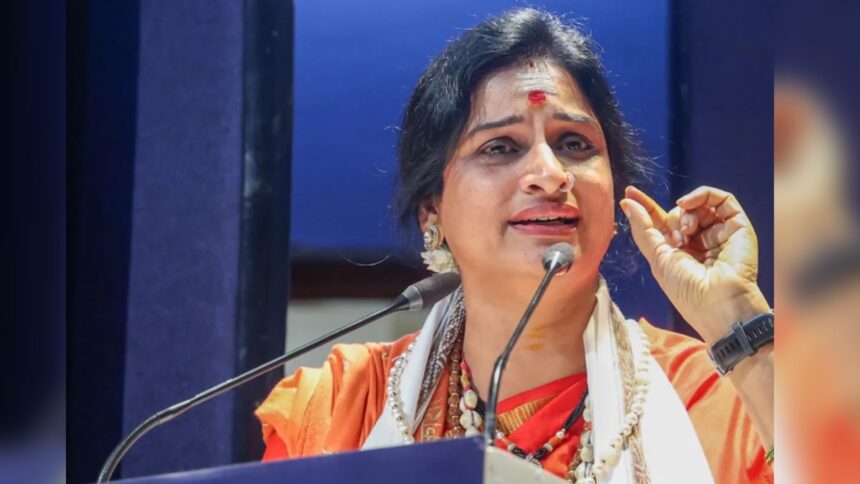
Telangana BJP leader Madhavi Latha has ignited a debate about madrasa education by advocating for the inclusion of English language instruction and mandatory singing of India’s national songs. Latha’s demands highlight broader issues concerning the educational content and societal implications of madrasa teachings, raising questions about the integration of minority communities into the national narrative.
Calls for English Instruction and Patriotism
In a statement made to IANS on August 6, Latha emphasized that madrasas should incorporate English in their curriculum to prepare students for modern challenges. She argued that the current lack of English education limits job opportunities and hinders the capability of madrasa students to compete in the global market. By instilling language skills, Latha believes, these children can participate more fully in society.
Furthermore, Latha suggested that the singing of “Vande Mataram” and the national anthem “Jana Gana Mana” should be compulsory in madrasas. She framed these proposals as methods to foster patriotism among young students, claiming that the current madrasa environment cultivates a sense of opposition to the nation rather than unity and brotherhood.
Concerns About Misrepresentation of Islam
Latha’s remarks also indicate a significant discomfort with how Islam is perceived in wider society. She supported Uttar Pradesh Deputy Chief Minister Keshav Prasad Maurya’s controversial characterization of madrasas as “terrorist factories.” Latha voiced a belief that the essence of the Quran and true Islamic teachings have been overshadowed by narratives of violence and extremism.
She articulated concerns that young children, who spend their formative years isolated within madrasa environments, are taught to view neighboring Hindu children as adversaries rather than allies. This rhetoric raises alarm about the potential for communal tensions and the perpetuation of divisions in an already polarized society.
Response to Criticism and Broader Implications
In her dialogue surrounding the recent comments made by Maulana Sajid Rashidi regarding Kanwariyas (Hindu pilgrims), Latha questioned the motivations behind monitoring these groups. She provocatively inquired about the identity of “terrorists” who reportedly disposed of chicken bones in the Ganga, thereby hinting at perceived biases in how communal issues are addressed in public discourse.
Latha’s perspective represents a broader narrative within parts of the Indian political landscape that stress cultural and educational uniformity, often complicating the experiences and identities of religious minorities, particularly Muslims. This dialogue reflects an ongoing tension between notions of national identity and the rights of diverse cultural expressions.
Why It Matters
The issues raised in this debate touch upon major themes of social inclusion, identity politics, and the role of education in fostering communal harmony. As various governments and political leaders push narratives that frame certain communities as ‘other’, the ramifications for social cohesion and economic opportunities become increasingly significant. Failure to address these issues can further marginalize minority groups, perpetuate cycles of discrimination, and diminish social trust among diverse communities in India.
In an increasingly globalized world, where economic opportunities hinge on educational access and cultural integration, initiatives that promote inclusive education could bridge communal divides while enhancing social unity and economic growth. Policymakers must navigate these complexities with sensitivity, ensuring that educational reforms benefit all citizens rather than exacerbate existing disparities.
Frequently Asked Questions
What are Madhavi Latha’s main proposals regarding madrasa education?
Madhavi Latha suggests that madrasas should teach English and make the singing of “Vande Mataram” and “Jana Gana Mana” compulsory to instill a sense of patriotism among students.
What concerns does Latha raise about current madrasa education?
Latha argues that madrasa education often perpetuates anti-national sentiments and lacks essential English language skills, limiting the future prospects of students.
How has Latha’s commentary been received in the context of communal relations in India?
Her statements are part of a broader narrative that critiques the portrayal of Islam and madrasas in society, raising concerns about potential communal tensions and misrepresentation of Islam.
Why is English language education important in madrasas according to Latha?
Latha believes that teaching English will enable madrasa students to compete in the job market and engage more effectively with the modern world.