
NEW DELHI: The political landscape in West Bengal is witnessing a significant shift following a notable electoral setback for Chief Minister Mamata Banerjee. The Bharatiya Janata Party (BJP) has emerged as a formidable force in the assembly polls, leading with a commanding majority exceeding 200 seats.
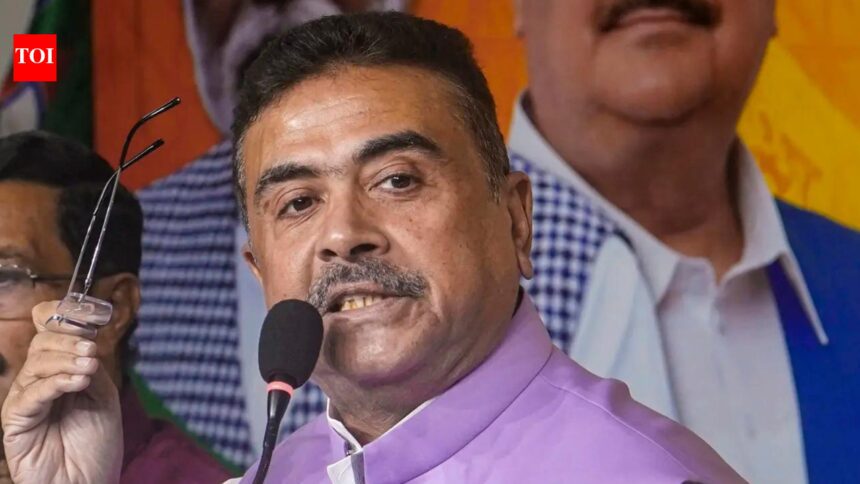
This surge has led to increased speculation regarding Suvendu Adhikari, a prominent BJP leader, and whether he may assume the role of chief minister. Once a close aide to Banerjee, Adhikari has established a reputation as a “giant killer” after defeating her in Bhabanipur, a constituency long viewed as her stronghold.
Adhikari’s recent victory is particularly significant, considering his earlier success over Banerjee in Nandigram during the 2021 assembly elections, where he narrowly outperformed her in a closely contested race. In the 2021 elections, although Adhikari secured a win, the BJP captured only 77 out of the 294 assembly seats, marking its emergence as the principal opposition party in the state for the first time.
However, the current electoral outcome has markedly altered this dynamic, positioning the BJP as the dominant party in West Bengal. Given this context, attention is now focused on whether the party will reward Adhikari for his critical role in its resurgence by appointing him as the next chief minister.