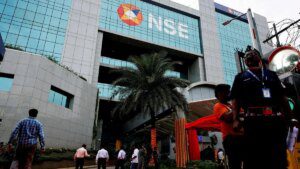

Markets closed on a positive note on Wednesday, with the Sensex increasing by 609.45 points, or 0.79%, to settle at 77,496.36. The Nifty rose by 181.95 points, or 0.76%, ending at 24,177.65. The primary driver of this trend was the announcement regarding the UAE’s exit from OPEC, which raised expectations for higher oil supply and lower crude prices—an encouraging development for an import-dependent economy like India.
However, the session displayed volatility, as both indices reached intraday highs—77,982 for Sensex and 24,335 for Nifty—before profit-taking in the latter half moderated these gains. Brent crude prices remained high, nearing $114 per barrel, while domestic crude futures approached ₹9,800, reversing a significant portion of April’s previous corrections. Ongoing geopolitical tensions, particularly surrounding the US-Iran situation and the United States’ naval blockade in the Strait of Hormuz, have kept energy markets fluctuating.
In terms of sector performance, Fast-Moving Consumer Goods (FMCG) led the gains, experiencing a rise of approximately 1.7%. The Realty sector followed with about a 1.3% increase, while both Auto and IT sectors posted gains of roughly 1%. Major contributors included companies such as ITC, Reliance Industries, Maruti Suzuki, and Tech Mahindra. Conversely, the Media sector fell by nearly 0.6%, and PSU Banks, Financials, and Consumer Durables encountered slight selling pressure. IndiGo and Dr. Reddy’s were noted as the day’s top laggards.
Corporate earnings contributed to market stability, with Bandhan Bank reporting a 68% year-on-year increase in net profit to ₹534 crore for Q4. Enhanced asset quality and steady loan growth bolstered banking sentiment, while results from Maruti and other automobile manufacturers reinforced confidence in domestic demand. The earnings season continues, with several notable companies including Bajaj Finserv, Hindustan Unilever, Adani Enterprises, and NSDL set to report on Thursday.
On the macroeconomic front, India’s Index of Industrial Production for March 2026 showed a year-on-year rise to 4.1% from 3.9%, driven by a significant 14.6% increase in capital goods output. This growth indicates robust investment demand, even as consumer trends appear mixed. The government is also preparing a Cabinet note for a new urea investment policy aimed at addressing a supply shortfall of nearly 100 lakh tonnes and reducing import dependence, which is seen as a positive sign for the fertilizer sector.
In broader market movements, the Nifty Midcap 100 index slipped marginally by 0.07%, while the Smallcap 100 gained 0.65%. Market breadth remained slightly positive, as the advance-decline ratio was recorded at 1.01, while India VIX decreased, indicating a moderation in near-term volatility expectations.
The Indian rupee weakened by 30 paise, closing at a record low of approximately 94.8 against the dollar. This decline is attributed to ongoing Foreign Institutional Investor (FII) outflows, high crude prices, and elevated dollar demand from importers, with the Reserve Bank of India maintaining a passive stance. Market analysts predict the USDINR will trade between 94.10 and 95.15, leaning toward a stronger dollar.
Gold prices in India fell about ₹900 to ₹1,49,100, influenced by profit-taking and a stronger dollar. COMEX gold remained near $4,600–$4,620, facing resistance at higher levels. The metal is expected to stay range-bound, with support near ₹1,48,000 and resistance around ₹1,52,000.
The final phase of the West Bengal elections added a political aspect to Wednesday’s trades, with exit poll results anticipated later that evening. Final results are set to be announced on May 4, which could have implications for early trading next week.
Looking ahead, investor focus will shift to the US Federal Reserve’s interest rate decision, scheduled for later Wednesday, along with a press conference from Jerome Powell—potentially his last. “Steady rates aren’t necessarily negative; they provide policy clarity and allow investors to plan capital allocation with greater confidence,” noted Ashish Singhal, Co-founder of CoinSwitch, highlighting that market volatility is most often driven by unexpected outcomes rather than anticipated ones.
Ajit Mishra from Religare Broking commented, “Markets will react to the outcome of the US Fed meeting in early trade on Thursday… elevated crude oil prices near the $110 mark, coupled with persistent foreign institutional outflows and a weak rupee, continue to cap potential upsides.”
For the Nifty index, a decisive close above 24,400 is seen as critical for further gains toward the 24,600–24,800 range. Conversely, a break below the 20-day EMA, currently near 23,950, could pull the index down toward 23,600.
Published on April 29, 2026.