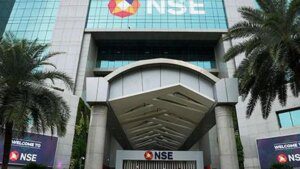

Domestic markets are expected to open negatively on Monday following Prime Minister Narendra Modi’s call for austerity. The Prime Minister urged citizens to refrain from purchasing gold for a year and to reduce their consumption of petrol, diesel, and cooking gas in pursuit of economic self-reliance. Analysts express concerns that the government may implement austerity measures or increase petrol prices, potentially triggering widespread economic repercussions.
The GIFT Nifty indicator suggests a gap-down opening of approximately 200 points, reflecting these sentiments. Ponmudi R, CEO of Enrich Money, highlighted recent tensions after former U.S. President Donald Trump described Iran’s reaction to the latest U.S. peace proposal as “totally unacceptable,” dampening hopes for an immediate diplomatic resolution. This situation reignites concerns regarding the Strait of Hormuz and the risks of supply disruptions in global energy markets.
The current market sentiment remains highly influenced by news developments and volatile, with geopolitical events, trends in crude oil, and institutional flow dynamics anticipated to guide the short-term market trajectory. Meanwhile, SBI Securities projects a real GDP growth rate of 6.6% for FY27.
Despite global uncertainties, the Indian economy continues to show robust growth. High-frequency activity indicators reflect sustained economic performance, with only a minor decline in Q4. Rural consumption is thriving, propelled by positive developments in both agricultural and non-agricultural sectors. Urban consumption has also shown a consistent increase since the last festive season, supported by fiscal stimulus. According to the report, Q4FY26 GDP growth is expected to approach 7.2%, with a forecasted growth rate of 6.6% for the entire fiscal year 2026-27, while GDP growth for FY26 is anticipated at 7.5%.
In global markets, stock performance was mixed, with most indices seeing marginal declines except Korea’s Kospi, which surged more than 4.5% in early trading on Monday.
From a valuation standpoint, large-cap stocks are currently viewed as more attractive compared to Small and Midcap (SMID) indices. Motilal Oswal Financial Research noted that the Nifty-50 trades at 19.1 times forward earnings, roughly 9% below its long-term average, while SMID indices are trading at a premium, indicating a more tenuous risk-reward dynamic in those segments.
The report cautioned that primary challenges for Indian equities in the near term include high commodity prices, particularly crude oil. Should crude oil remain above $100 a barrel, corporate margins could be significantly impacted, further linking India’s market performance to earnings and global capital flows.