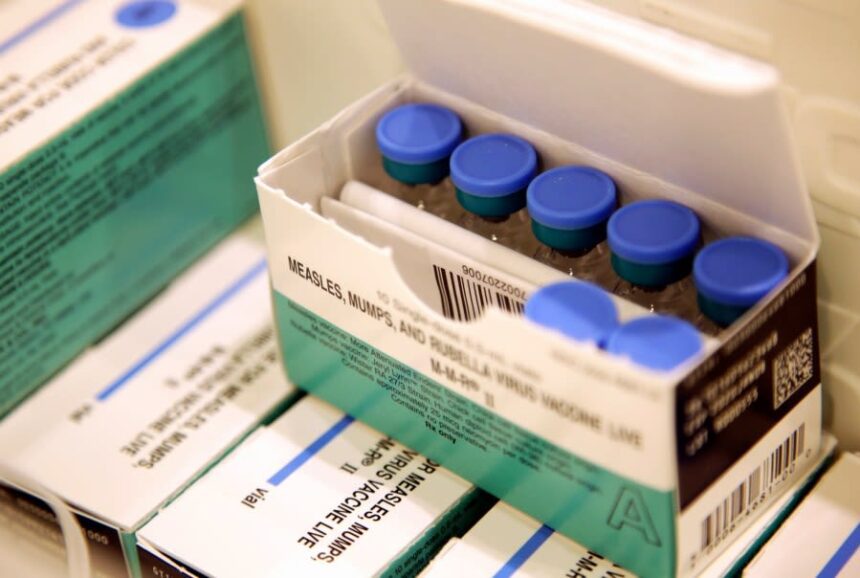

As National Immunization Awareness Month takes center stage in August, it’s vital for individuals across the globe, including India, to recognize the crucial role that vaccinations play in safeguarding health. Health authorities are emphasizing that staying current on immunizations can prevent outbreaks of vaccine-preventable diseases, ensuring the wellbeing of communities.
The Importance of Vaccines
According to the South Carolina Department of Public Health (DPH), keeping up with vaccinations is essential for both children and adults. Children enrolled in schools and childcare facilities must adhere to specific vaccination schedules to counter potential health risks. In the event that children cannot receive vaccinations, families have the option to present a religious or medical exemption.
Dr. Brannon Traxler, acting DPH director, stresses that “without high immunization levels, communities are at risk for vaccine-preventable diseases and outbreaks.” This sentiment underscores the need for proactive vaccination efforts among all age groups, particularly during the back-to-school season.
Vaccines for Adults
While children’s immunization needs are often highlighted, adults also need to stay informed about their vaccination schedules. The South Carolina DPH points out that getting vaccinated for diseases such as shingles, pneumococcal pneumonia, and flu can also significantly impact overall health and community safety. Many vaccines are recommended according to age and specific risk factors, indicating that adult vaccination is a necessary element of preventive healthcare.
Melanie Slan, a board member of the South Carolina Immunization Coalition, emphasizes that “increasing access to immunizations helps keep children healthy and strengthens the health of entire communities.” This statement resonates not just in the U.S., but also in India, where public health initiatives can lead to improved outcomes when vaccination rates are increased.
Access and Awareness
Ensuring accessibility to immunizations is a pivotal aspect of public health strategy. The South Carolina DPH advocates dialogue between families and healthcare providers to evaluate the need for vaccinations. Such conversations are essential for understanding both the individual risks and benefits associated with vaccines, which is increasingly relevant in India where misinformation can pose risks to public health.
Moreover, with various vaccination campaigns taking place across states in India, it’s crucial for community engagement to foster trust and encourage participation. Resources and campaigns that highlight vaccination benefits can significantly influence public perception and increase uptake.
Why This Is Trending
In recent times, increasing cases of vaccine-preventable diseases and emerging health crises have reignited discussions around vaccinations. Given the evolving landscape of global health threats, including new variants of diseases, many Indians are seeking information on vaccine availability, benefits, and schedules. Social media platforms and news outlets are buzzing with discussions emphasizing the importance of being up-to-date with vaccinations, making it a trending concern across the nation.
Frequently Asked Questions
What vaccines are required for children in India?
In India, the Universal Immunization Programme (UIP) mandates vaccines such as BCG, DPT, Oral Polio Vaccine (OPV), and Measles. Parents should consult local health authorities for relevant details.
Are adult vaccines necessary?
Yes, adults should stay updated with recommended vaccines based on age and health conditions, including flu shots and pneumococcal vaccines, to protect their health.
Where can I get vaccinated in India?
Vaccination is available at government health centers, community health clinics, and private hospitals. Always check with your healthcare provider for the nearest facility.
How can I stay informed about vaccines?
Regular consultations with healthcare providers and staying updated through official health department announcements can help you understand vaccine schedules and health guidelines.