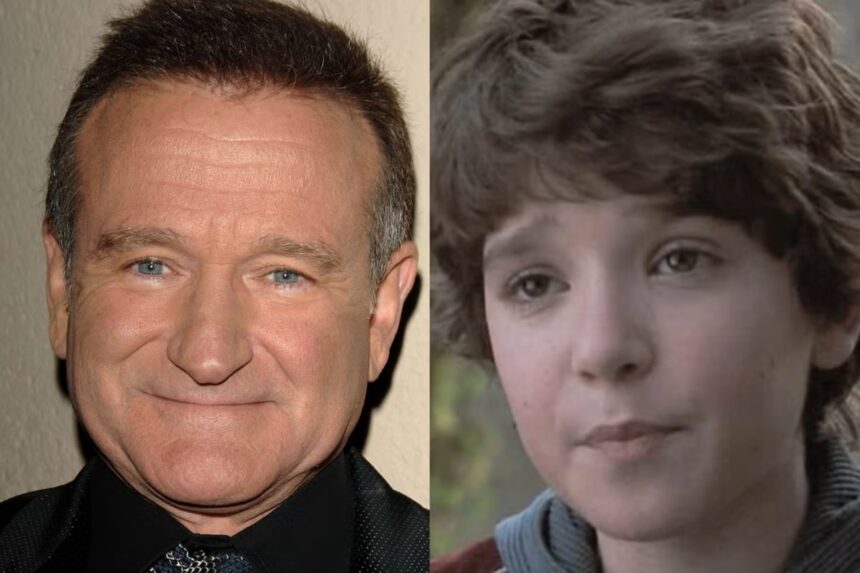

As the world marks the 75th birthday of the late Robin Williams this week, cherished memories of his kindness and generosity resurface. A recent anecdote from Jumanji star Bradley Pierce highlights Williams’ protective nature on-set, showcasing the actor’s legacy beyond his cinematic prowess.
Remembering Robin Williams’ Kindness
Robin Williams, a beloved American actor, left a lasting impact not just through his performances but also through his compassionate actions off-screen. A story recently shared by Bradley Pierce, who starred as a child actor in the classic film Jumanji, illustrates this beautifully. During the filming of a particular scene, Pierce faced discomfort due to makeup and the water effects. Producers attempted to extend the shoot beyond legal limits for child actors, but Williams stepped in to defend Pierce and his co-stars.
Pierce recalls, “He said, ‘No, we are not doing any extra time. You’re going to let everybody out now and we’re going to come back next week.'” This statement underscores Williams’ commitment to ensuring a safe and fair working environment for young actors, something that is essential but often overlooked in the industry.
Legacy of the Film Jumanji
Jumanji, released in 1995, remains a significant part of cinema history, attracting audiences of all ages long after its initial release. The movie combines adventure, fantasy, and the charm of Williams, who portrayed Alan Parrish, a character trapped in a magical board game. The film not only entertains but also explores themes of bravery and adventure.
Interestingly, the term “Jumanji” is derived from Zulu, meaning “many effects,” reflecting the chaotic consequences of playing the game, which unleashes various wild animals and challenges. This enriching background adds depth to a film that has become a cultural touchstone, especially for those who grew up in the ’90s.
Revisiting the Legacy and Modern Implications
Williams’ death in 2014 brought an immense void in the entertainment world, yet his legacy continues to inspire discussions on mental health and the responsibilities of filmmakers towards young actors. Brad Pierce’s revelation from decades ago sheds light on crucial practices that are still applicable today, especially regarding the treatment of child actors in the film industry.
As discussions about occupational safety in film sets regain traction, the memory of Williams’ acts of kindness serves as a reminder of the human side of Hollywood. Amid controversies and challenges, stories like these can help foster a more respectful and nurturing environment for the next generation of filmmakers and actors.
Why This Is Trending
Robin Williams’ birthday has sparked renewed interest in his life and career, especially within the Indian audience who have grown up watching his films. His universal appeal resonates strongly, with many recalling favorite childhood movies like Mrs. Doubtfire and Hook. The recent focus on mental health also aligns with Williams’ legacy, prompting individuals to reflect on the pressures faced by artists, particularly in the context of child actors, as highlighted by Pierce’s story.
Frequently Asked Questions
What impact did Robin Williams have on the film industry?
Robin Williams revolutionized comedy and drama with his improvisational skills and emotive performances, making him one of the most beloved actors of his time. His work continues to influence new generations of actors.
What does the term “Jumanji” mean?
“Jumanji” means “many effects” in Zulu, referring to the unpredictable and chaotic outcomes of playing the board game featured in the film.
Why is discussing the treatment of child actors important now?
Raising awareness about the treatment of child actors is critical as it ensures their safety and well-being in a high-pressure environment like Hollywood. Stories like that of Bradley Pierce remind us of the need for protective measures within the industry.
What lessons can we learn from Robin Williams’ life?
Williams’ life teaches us about the importance of kindness, empathy, and standing up for others, especially those who may not have the power to stand up for themselves.