
Tragic Earthquake Strikes Western Colombia
A powerful earthquake has struck western Colombia, claiming at least 132 lives and leaving thousands unaccounted for. The seismic event, measured at a magnitude of 7.4, has severely impacted cities such as Cali and Quibdo, prompting urgent search and rescue operations across the region.
Scale of Destruction and Response Efforts
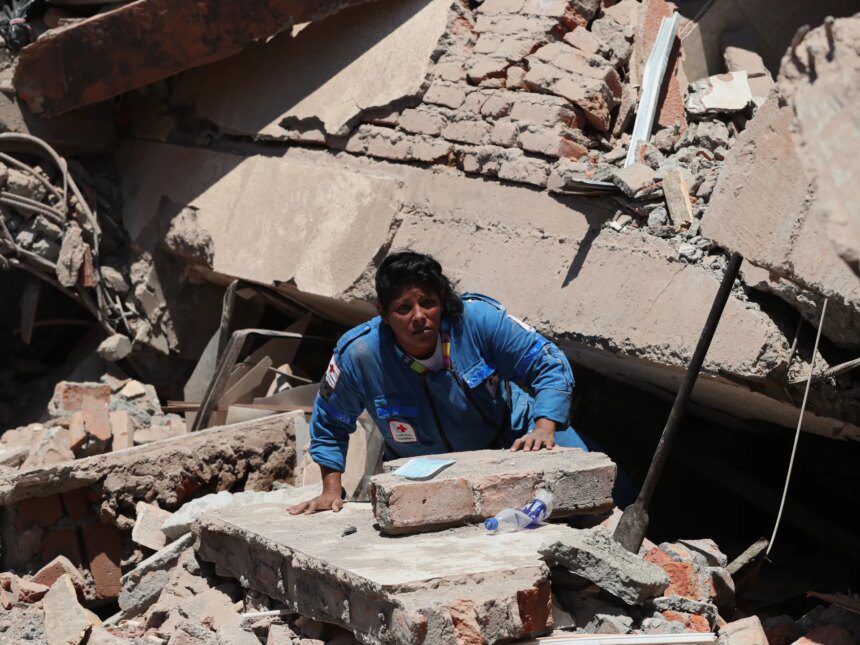
The earthquake occurred on Monday and has resulted in approximately 1,600 buildings being damaged or completely collapsed. Rescue teams composed of soldiers, emergency personnel, and local volunteers are tirelessly working together, manually clearing rubble in hopes of locating survivors. Families affected by the disaster are turning to citizen-driven platforms to report missing relatives; by Monday night, reports indicated that over 2,700 individuals were unaccounted for.
In the town of El Cairo, located near the quake’s epicenter in San Jose del Palmar, authorities have reported that an overwhelming 80 percent of the town’s infrastructure has been compromised. Many historic homes, constructed from natural materials such as sticks and mud, succumbed to the intense tremors, further complicating rescue efforts.
Government and International Aid Response
In light of this disaster, President Abelardo de la Espriella, newly in office for just a few days, has mobilized the full force of military and police resources to assist in recovery efforts. This includes the deployment of engineers, specialized rescue units, and search dogs to the most affected areas. The situation has garnered international concern, with the United States committing $15.5 million in emergency aid, alongside support from various regional governments. This is crucial for a region that is among Colombia’s most impoverished and isolated, where infrastructure is already limited.
What This Means
The earthquake in Colombia serves as a sober reminder of the vulnerability many countries face in the face of natural disasters. For Indian readers, this incident highlights the importance of effective disaster preparedness and response mechanisms, particularly in regions with less developed infrastructure. India, having faced its share of devastating earthquakes, can glean lessons on the need for coordinated efforts among government bodies, NGOs, and local communities to accelerate response and recovery. As Colombia mobilizes for rehabilitation, the international community’s role in disaster relief underscores the need for global solidarity in times of crisis.
Frequently Asked Questions
What is the magnitude and impact of the earthquake?
The earthquake recorded a magnitude of 7.4, which resulted in at least 132 deaths, with many others still reported missing. Approximately 1,600 buildings have sustained damage or collapsed.
Which areas in Colombia were most affected?
Key cities affected include Cali, Quibdo, and particularly El Cairo, where about 80 percent of the town has reported significant damage.
How is the Colombian government responding to the disaster?
President Abelardo de la Espriella has deployed military and police resources to affected areas, along with engineers and rescue teams to assist in search operations and infrastructure rebuilding.
What kind of international aid is being provided?
The United States has pledged $15.5 million in emergency aid, and various regional governments are also offering support to assist one of Colombia’s poorest and most isolated areas.