
Controversy Surrounds Rahul Gandhi’s Remarks on VD Savarkar
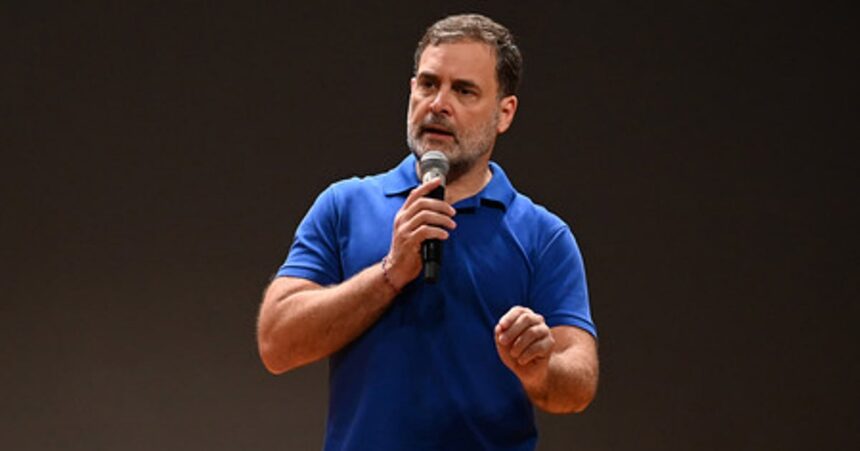
The ongoing defamation case filed by Satyaki Savarkar, grandnephew of Hindutva ideologue VD Savarkar, has brought renewed scrutiny to the relationship between historical narratives and modern political discourse in India. Satyaki claims that Congress leader Rahul Gandhi’s characterization of Savarkar as an “extreme hater of Muslims” in a 2023 London speech misrepresents his grandfather’s legacy.
Details of the Defamation Case
Satyaki Savarkar presented his case in a Pune court, claiming that Gandhi’s assertion—which includes a claim that Savarkar had admitted to participating in an assault on a Muslim youth—undermines the legacy of a figure who has been pivotal in the political ideology of the Bharatiya Janata Party (BJP). Satyaki asserted that the words used by Gandhi portray Savarkar as a “mob lyncher,” an image he argues is far from the truth.
During the proceedings, Satyaki cited Gandhi’s direct comment about Savarkar’s alleged actions, emphasizing that no such incident is documented in Savarkar’s writings. He contended that Savarkar’s actual contributions were aimed at the progress of Muslims and other communities, insisting that his writings reflect a broader commitment to societal uplift rather than communal hatred.
Background of the Savarkar Family and Historical Context
The Savarkar family is no stranger to controversy, particularly regarding their ties to Hindutva philosophy and Indian nationalism. VD Savarkar’s legacy remains a topic of intense debate across political lines. His role in the movement for India’s independence and his subsequent views on Hindu-Muslim relations make him a divisive figure in contemporary Indian politics.
Compounding the complexity of this case is the historical connection of the Savarkar family to figures like Nathuram Godse, the assassin of Mahatma Gandhi. In an earlier video statement, Gopal Godse, Satyaki’s grandfather, purportedly acknowledged Nathuram’s links with the Rashtriya Swayamsevak Sangh (RSS), further complicating the Savarkar legacy. This interconnectedness raises questions about the influence of familial history on contemporary political narratives.
Political Implications and Broader Context
This legal battle is emblematic of the broader political climate in India, where historical figures are often invoked or vilified to fit contemporary ideological narratives. The BJP, rooted in Hindutva philosophy, has often portrayed itself as a defender of Hindu rights while being accused of marginalizing Muslim communities. Incidents like this defamation case are reflective of a strategy to contest historical interpretations and to shape public perception regarding communal issues.
As political tensions escalate, public discourse regarding the treatment of historical narratives, religious identities, and political power becomes increasingly relevant. Gandhi’s remarks about Savarkar tap into wider fears concerning the rising radicalization within sections of Indian society and the apparent socio-political exclusion faced by minorities, especially Muslims.
Why It Matters
The implications of this defamation case extend beyond individual reputations to touch upon the collective historical consciousness of a nation. It highlights how interpretations of history are invoked in political settings, shaping national narratives and the public’s perception of religious communities. Understanding these dynamics is essential for comprehending current trends in Indian politics, which have profound implications for social cohesion and communal relations within the country.
Frequently Asked Questions
What is the main accusation against Rahul Gandhi in this case?
Satyaki Savarkar claims that Rahul Gandhi portrayed VD Savarkar as an “extreme hater of Muslims” during a 2023 speech, misrepresenting his grandfather’s legacy and character.
What specific statement did Gandhi make about VD Savarkar?
Gandhi allegedly stated that Savarkar wrote about participating in an assault on a Muslim youth, claiming Savarkar derived pleasure from such actions.
How does this case reflect broader issues in Indian society?
The defamation case exemplifies ongoing tensions regarding communal relations in India, particularly the portrayal and perception of historical figures within political narratives, especially concerning Hindu-Muslim dynamics.
What are the potential outcomes of this legal dispute?
The outcome could set a precedent for how historical figures are represented in public discourse and may further polarize opinions regarding communal relations in India.