
Summary
Rahul Gandhi recently criticized prominent BJP propagandist Piyush Mishra for allegedly promoting a communal agenda. Gandhi’s remarks were shared in a broader dialogue on celebratory video messages during festivals, igniting discussions about political narratives in India.
Context of the Criticism
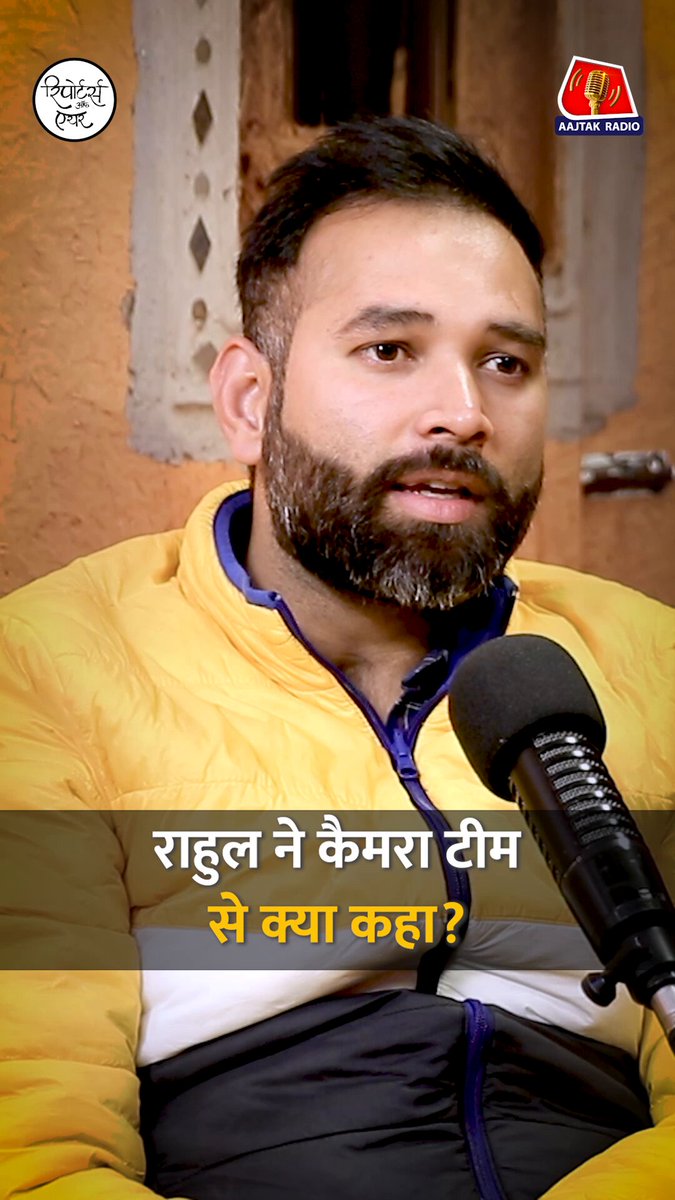
The criticism surfaced when several political figures began discussing whether Rahul Gandhi had sent video messages on significant festivals such as Holi and Diwali. The controversy has roots in how politicians engage with their followers during religious and cultural celebrations. The tweet from Aaj Tak Radio questioned Gandhi’s participation, suggesting that he was being selective in his public appearances. This has prompted responses from various political operatives and social media users alike, framing it as another instance of the ongoing rivalry between Gandhi’s Congress party and the BJP.
Background on Piyush Mishra
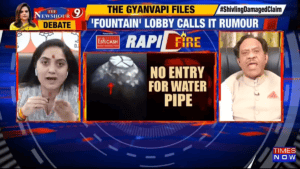
Piyush Mishra is known for his strong allegiance to the BJP and has made a name for himself as a vocal supporter of the party’s ideologies. His influence stems from a mix of strategic communication and compelling narratives that often resonate with the party’s base. In instances like these, his commentary is seen not only as a reflection of party sentiment but also as part of a larger communication strategy aimed at shaping public perception. By publicly highlighting Gandhi’s absence during major festivals, Mishra attempts to portray the Congress leader in a negative light, emphasizing perceived discrepancies in his political engagement.
Analysis of Rahul Gandhi’s Engagement
As the head of the Congress party, Rahul Gandhi’s every move is closely scrutinized. His engagement with cultural events is not only about participatory politics but also about symbolizing inclusivity, especially in a diverse nation like India. However, Gandhi’s sporadic participation in festive engagements raises questions about his outreach effectiveness. Critics might argue that the absence of such messages signifies a disconnect with the electorate. Conversely, supporters might view it as a strategic retreat to focus on more pressing political matters.
In this context, Gandhi’s rebuttal appears to be a clear attempt to reclaim narrative control amidst ongoing accusations. Calling out Mishra’s commentary highlights a crucial aspect of modern political discourse in India—asserting one’s stance against perceived misinformation and propaganda.
Why This Matters
The discourse surrounding Gandhi’s engagement during festivals reflects the broader conflict in Indian politics between secular and communal ideologies. The BJP has often been criticized for its communal narratives, which can alienate certain sections of society. Meanwhile, Gandhi’s responses are crucial for reinforcing the Congress party’s commitment to secularism, especially in a time when communal tensions can easily escalate. This incident is emblematic of ongoing debates about how cultural events are leveraged within political strategies and illustrates the significance of narrative framing in the digital age.
Frequently Asked Questions
What was the main criticism by Rahul Gandhi against Piyush Mishra?
Rahul Gandhi criticized Piyush Mishra for promoting a communal agenda, asserting that such narratives were shamelessly pushed to create rifts in society.
Why are holiday messages from politicians significant?
Holiday messages from politicians reflect their engagement with cultural and religious sentiments, serving as tools for outreach and connection with various communities.
How does the BJP typically use communal narratives?
The BJP often utilizes communal narratives to consolidate its support base by emphasizing cultural identities, sometimes at the expense of social harmony.
What is the impact of social media on political narratives in India?
Social media significantly amplifies political narratives, enabling rapid dissemination of information and framing of public perceptions, thus playing a crucial role in shaping political discourse.