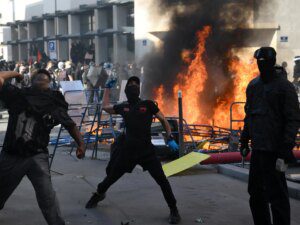

In Dearborn, Michigan, protests erupted during a city council meeting sparked by the visit of anti-Muslim activist Jake Lang. Demonstrators gathered outside, leading to a tense atmosphere characterized by physical confrontations, arrests, and a display of controversial symbols.
Protests and Tensions Outside City Council
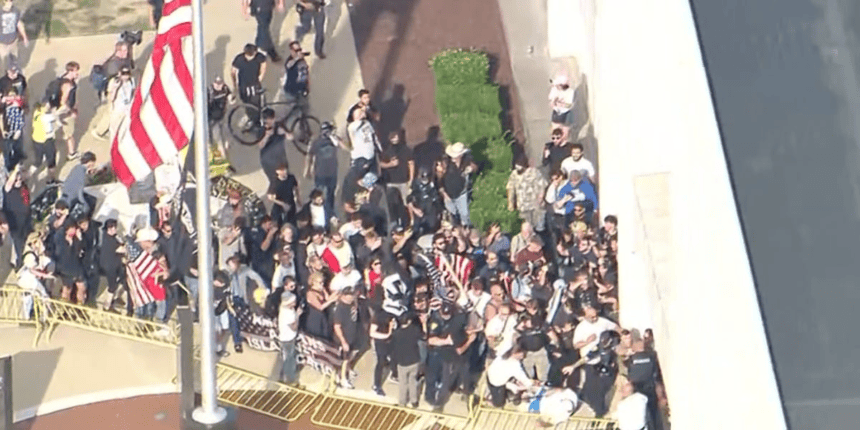
On Tuesday, hundreds of protesters assembled outside the relocated city council meeting, which took place at the Henry Ford Centennial Library. In anticipation of a larger turnout, local officials had made adjustments to security arrangements. The Michigan State Police supported local officers in managing the crowd, which included a variety of demonstrators—some adorned with American flags, others with swastikas—and even individuals in clown costumes.
The situation escalated, leading to some demonstrators being arrested, although police have yet to provide specifics on the number of arrests or the charges filed. The demonstration was notably charged, reflecting ongoing tensions surrounding the presence of Lang, whose activism focuses on controversial anti-Muslim narratives.
Mayor’s Response to the Demonstrations
As protesters made their voices heard, Dearborn Mayor Abdullah Hammoud addressed the city council, emphasizing the multicultural fabric of Dearborn. “Dearborn was built by people with different names, different accents, different traditions, and different ways of worshipping God,” Hammoud stated. He highlighted the city’s history of diversity and communal coexistence, positioning it as part of a broader American narrative.
Hammoud’s remarks served as a reminder of the city’s inclusive ethos in the face of rising anti-Muslim sentiment, encapsulating a deeply rooted sentiment among many residents who value the city’s commitment to diversity.
Arrests and Law Enforcement’s Role
Details regarding the arrests made during the protests remain vague, with local police expected to release more information soon. Sources indicate that while some protesters were detained, the law enforcement efforts focused on maintaining order amid a potentially volatile situation. The involvement of the Michigan State Police signifies a serious approach to managing protests, especially given the charged atmosphere stemming from anti-Muslim rhetoric.
The response from law enforcement underscores the growing concerns among officials about the rise of tensions tied to developments at both local and national levels. As such incidents become more prevalent, police preparedness will likely be a critical factor in ensuring public safety amidst social unrest.
Why It Matters
The events in Dearborn highlight significant socio-political dynamics at play in America today, particularly concerning the treatment and perception of marginalized communities. The confrontation reflects a larger narrative of discrimination and social exclusion that affects various groups, including Indian Muslims facing similar challenges. Anti-Muslim activism has seen a rise, prompting community leaders and allies to address issues of hate, acceptance, and the importance of dialogue. Understanding these interactions shapes the conversation about civil rights, community safety, and policy-making.
Frequently Asked Questions
What sparked the protests in Dearborn, Michigan?
The protests were sparked by the visit of anti-Muslim activist Jake Lang, prompting a significant gathering outside the city council meeting.
What was Mayor Hammoud’s response to the demonstrations?
Mayor Abdullah Hammoud emphasized the diversity of Dearborn and its history of communal coexistence while addressing the city council amidst the protests.
What actions did law enforcement take during the protests?
Law enforcement, including Michigan State Police, were present to assist local officers in maintaining order, with some arrests made during the event.
What is the significance of the protests for the greater community?
The protests underscore ongoing issues of discrimination and social exclusion, particularly against Muslim communities, highlighting the need for dialogue and action to address hate and promote inclusivity.