
Summary
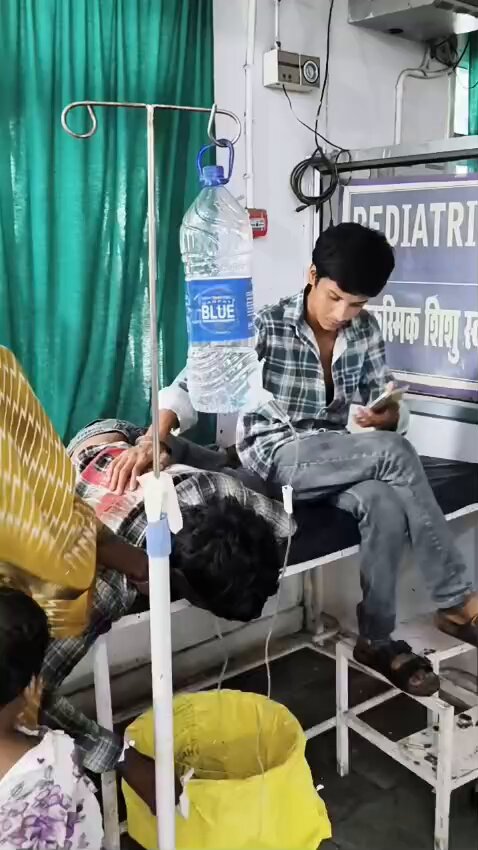
A troubling incident has emerged from the district hospital in Dindori, Madhya Pradesh, where a minor who allegedly consumed poison was reportedly treated with a drip of “normal water” using a plastic water bottle. This raises significant concerns about medical practices in the facility, as local health officials claim that fluid is necessary during the gastric lavage process.
Incident Overview
The situation came to light when Anurag Dwary, a journalist, reported on social media that a minor was administered a drip containing plain water instead of proper medical fluids. The Chief Medical and Health Officer (CMHO) responded to the claims, stating that fluids are indeed crucial during gastric lavage, a procedure used to cleanse the stomach. However, the choice of using a non-standard method with a plastic water bottle raises significant questions regarding patient safety and the standards of care being provided.
Health and Medical Standards in Question
The use of a plastic water bottle as an IV drip device is far from standard medical practice. Typically, intravenous treatments call for sterile equipment designed specifically for healthcare settings to prevent infections and ensure patient safety. This incident reflects a worrying trend in many healthcare institutions across India, particularly in rural areas where resources and training may lack.
Medical professionals are trained to use established protocols for treating intoxication cases, including the administration of monitored intravenous fluids. The reliance on makeshift solutions like a plastic bottle draws attention to the systemic issues of underfunding and understaffing in healthcare facilities, which can compromise patient care and lead to tragic outcomes.
Public Reaction and Accountability
The public’s response to the incident has been one of outrage and disbelief, highlighting the urgent need for accountability in the healthcare sector. The health department’s attempt to justify the action using medical jargon, like mentioning gastric lavage, has been met with skepticism. Many citizens expect more rigorous action from state authorities to prevent such negligence in the future.
Calls for improved infrastructure, training, and oversight are rapidly gaining momentum as politicians and activists leverage this incident to push for reforms in healthcare practices. The event has prompted the community to question the adequacy of existing health services and highlight the need for greater government investment in medical facilities.
Why This Matters
This incident underscores a critical issue in India’s healthcare system—the disconnect between policy and practice. It highlights systemic weaknesses that can endanger lives, particularly in rural healthcare settings. For Indian readers, it is a call to action for government accountability and improvements to healthcare infrastructure. As the country grapples with various health crises, ensuring that healthcare professionals adhere to established medical standards is more essential than ever.
In light of the recent incident, addressing such systemic issues can foster greater public trust in the healthcare system, ultimately leading to better health outcomes for all.
Frequently Asked Questions
What is gastric lavage?
Gastric lavage is a medical procedure used to cleanse the stomach, usually employed in cases of poisoning or overdose to remove toxic substances.
Why is using standard medical equipment important?
Standard medical equipment ensures safety and effectiveness in treatment, reducing risks of complications, infections, and inappropriate care.
What can be done to improve healthcare in rural areas?
Improving infrastructure, providing adequate training for medical personnel, and ensuring access to proper medical supplies can significantly enhance healthcare services in rural regions.
How can the public hold authorities accountable?
Public pressure via protests, media scrutiny, and petitions can create accountability, encouraging authorities to implement necessary reforms to improve healthcare standards.