
Controversy Surrounds Caste Census in India
The All India Pasmanda Muslim Mahaz has raised significant concerns about the government’s approach to the upcoming caste census, suggesting that it is rooted in a broader “Manuvadi ideology.” Ali Anwar Ansari, the organization’s president, argues that the BJP-led central government is attempting to undermine this crucial demographic exercise, which is intended to better understand social and economic disparities among different castes.
Government’s Approach and Criticism
Ali Anwar Ansari, a former Rajya Sabha MP, has criticized the BJP government for introducing an “open-ended” questionnaire for the caste census. He claims this format mirrors the 2011 Census, where caste data was not made public according to the expectations of various groups. Ansari believes that the lack of specificity in the questionnaire implies that the government is not committed to conducting a thorough and transparent census.
Calls for Improved Caste Census Methodology
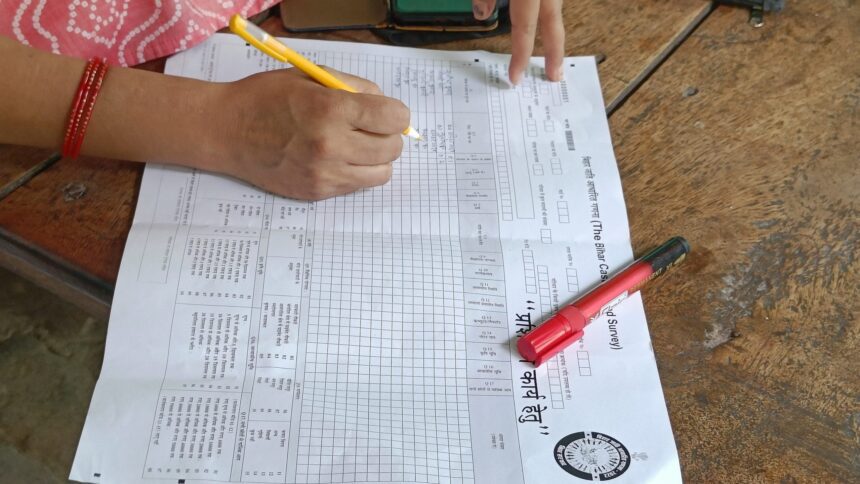
In a press release, Ansari urged the government to follow the model established by the Bihar government in its 2022-23 caste-based survey. He emphasized the necessity for a comprehensive understanding of the population density and socio-economic conditions of various castes. He called for the incorporation of official caste lists, which would guide individuals in identifying their castes accurately during the census process.
Emergence of Anti-Reservation Sentiments
Ansari expressed alarm at what he termed the rise of “anti-reservation” sentiments among certain factions, which he believes are threatening the welfare of marginalized communities. He has noted that these groups are actively encouraging Muslims to simply identify themselves as “Muslim” rather than specifying their particular caste or community. This has raised concerns over the potential misrepresentation of significant demographic data that the census seeks to capture.
Why It Matters
The caste census holds critical significance for understanding socio-economic disparities in India. An accurate representation of various caste populations can inform government policies aimed at addressing inequalities, enabling targeted welfare programs and resource allocation. However, if the census fails to capture this data effectively, it may perpetuate existing disparities and hinder efforts toward social justice and representation.
Frequently Asked Questions
What is the caste census and why is it important?
The caste census is an enumeration of the population that includes data on caste affiliation. It is vital for understanding social dynamics and ensuring that governmental policies address the needs of various communities.
Who is Ali Anwar Ansari?
Ali Anwar Ansari is the president of the All India Pasmanda Muslim Mahaz and a former member of the Rajya Sabha. He is an advocate for the political representation and rights of Pasmanda Muslims.
What concerns have been raised regarding the current government’s approach to the caste census?
Critics, including Ansari, have stated that the BJP’s “open-ended” questionnaire lacks specificity and transparency, mimicking the situation from the 2011 Census, where caste data was not publicly disclosed in expected formats.
What model does Ansari suggest for conducting the caste census?
Ansari advocates for a methodology similar to the Bihar government’s 2022-23 caste-based survey, which he believes would yield a clearer understanding of caste demographics and socio-economic conditions.