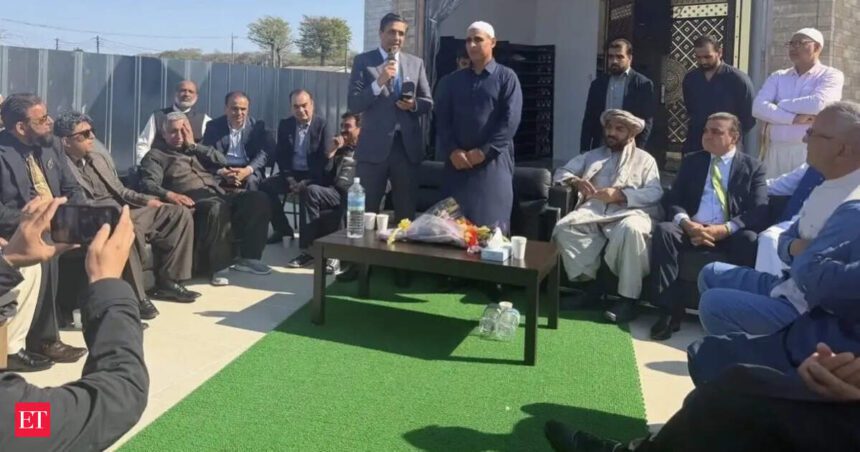
A recent mosque inauguration by Pakistan’s ambassador in Japan has sparked a complex diplomatic and legal dispute following revelations that the structure was built without the necessary approvals. Located in Kawagoe, near Tokyo, the mosque faces potential demolition as Japanese authorities enforce local planning laws. This situation has elicited reactions from both nations, prompting clarifications from Pakistan’s embassy.
Overview of the Legal Dispute
The mosque, inaugurated by Pakistan’s ambassador Abdul Hameed earlier this year, is now under scrutiny for not adhering to Japan’s City Planning Act. Inspections by local authorities revealed multiple violations, primarily that the construction took place in a restricted area where specific permissions are legally required. Kawagoe city officials confirmed that the structure was built without proper consent, marking this situation as a significant violation of planning regulations designed to control urban development.
As the issue escalates, local authorities have begun formal procedures aimed at potentially demolishing the mosque. The development control area’s strict regulations make compliance essential for any new structure. With violation notices issued to responsible parties, the conversation around the mosque becomes more than a mere planning issue; it transforms into a matter of diplomatic concern and community trust.
Embassy Response and Community Relations
In light of the backlash, the Pakistan embassy in Tokyo has taken steps to clarify its position regarding the mosque’s construction. The embassy’s official communications highlight that it distanced itself from any involvement in the construction process. Emphasizing the necessity of adhering to local laws, the embassy has urged Pakistani nationals in Japan to comply with regulations, particularly concerning religious buildings.
The embassy stated that the ambassador attended the inauguration on the premise that all legal permissions had been acquired. This claim is now under scrutiny as community members express dissatisfaction over the lack of transparency. The embassy reiterated the importance of ensuring that all construction projects secured necessary permits, calling for cooperation from community members with local authorities to ensure compliance with Japanese regulations.
Local Government’s Perspective on Zoning Laws
Japanese authorities have reinforced the importance of compliance with zoning laws through their statements about the mosque. The municipal guidance provided to stakeholders prior to construction included necessary steps for obtaining the required permits. However, it appears the parties involved failed to meet these guidelines, leading to the current legal challenges.
Japan’s City Planning Act aims to regulate building practices within urban areas to ensure safety and sustainability. Non-compliance can result in repercussions ranging from fines to mandated demolitions. The mosque’s case is particularly sensitive due to the involvement of a foreign diplomatic mission, lending it wider diplomatic implications. Both Japanese officials and the Pakistani embassy are anticipated to engage in further discussions as the enforcement actions unfold.
Why It Matters
The rising tensions surrounding the mosque in Kawagoe reflect broader themes of religious freedom, cultural integration, and adherence to local laws—a delicate balancing act in contemporary global diplomacy. This situation represents a critical moment for intergovernmental relations, showcasing how construction regulations can intersect with cultural practices, particularly in a nation like Japan, which places substantial value on compliance and social order.
As countries navigate such disputes, the emphasis on mutual respect for laws and cultural norms becomes increasingly significant. Communities and diplomatic entities must work collaboratively to prevent misunderstandings and foster environments of trust and cooperation.
Frequently Asked Questions
Why was the mosque in Japan constructed without permission?
The mosque was reportedly built without the requisite approvals under Japan’s City Planning Act, violating local regulations regarding construction in a controlled area.
What actions are being taken against the mosque’s construction?
Local authorities have initiated procedures that could lead to the demolition of the mosque due to the violation of urban planning regulations.
What has the Pakistan embassy stated regarding the mosque?
The embassy has distanced itself from the construction process, emphasizing that all local laws must be adhered to and that the ambassador attended the inauguration based on claims that all required permissions were in place.
What are the implications of this incident for diplomatic relations?
The incident highlights the importance of transparency and legal compliance in international engagements, potentially impacting diplomatic trust and community relationships in Japan and Pakistan.