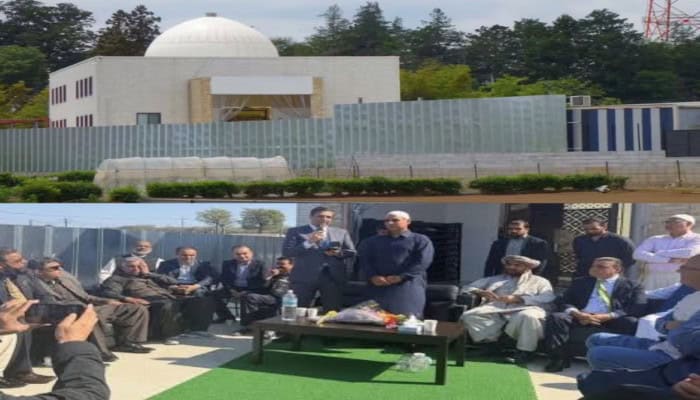

A newly constructed mosque in Kawagoe city, Japan, established by the Pakistani diaspora, faces imminent demolition due to alleged violations of local construction regulations. The situation has raised significant questions regarding the legal framework surrounding foreign community constructions and broader implications for cultural integration in Japan.
Background of the Controversy
The mosque, which was inaugurated in April 2026 with the participation of Pakistan’s Ambassador to Japan, Abdul Hameed, has quickly found itself at the center of a legal dispute. Authorities in Kawagoe discovered that the structure was erected without the necessary approvals mandated by local building laws. Following the unveiling, residents expressed concerns over the legality of the construction, prompting the local government to investigate.
Kawagoe City Hall confirmed that the mosque was built in an area classified under urban development control, where construction is generally prohibited unless specific permissions are obtained. The abrupt emergence of these issues post-inauguration prompted the Pakistani Embassy to issue clarifications regarding the mosque’s status, highlighting the diplomatic sensitivities involved.
Local Government Response
The city’s official statement emphasized the necessity for compliance with the City Planning Act, which is designed to regulate urban development. “The building (mosque) was constructed in an urban development control area where construction is generally prohibited unless specific permissions are secured,” the statement read, pointing to a breach of legal protocols.
As the situation unfolds, local authorities have emphasized their commitment to ensuring adherence to Japanese law, indicating that action will be taken against the mosque’s illegal construction if the necessary permits are not retroactively secured. This scenario illustrates the complexities faced by immigrant communities who may underestimate the rigorous regulatory landscapes in their host countries.
Cultural and Community Impact
This incident opens a broader discourse on the integration of foreign communities within Japan. Many in the Pakistani diaspora view the mosque as a vital cultural and religious hub, providing a place for worship and community gathering. However, the current circumstances have not only led to potential displacement of the community’s spiritual center but also fostered a climate of tension and mistrust between local authorities and the Pakistani diaspora.
A successful resolution could depend on finding a pathway that respects local regulations while acknowledging the cultural significance of such establishments for immigrant communities. The outcome of this case may set a precedent for future constructions by foreign entities in Japan, especially as the nation grapples with an increasing diversity in its population.
Why It Matters
The implications of this issue extend beyond the mosque itself. It illustrates critical challenges faced by immigrant communities in adapting to the legal frameworks of their new homes. The potential for discriminatory practices, social exclusion, and marginalization of minority groups emerges as a significant concern. This incident serves as a reminder of the importance of cultural sensitivity in urban planning initiatives and calls for dialogues that promote inclusivity within the structures of governance.
For developers and policymakers, it reinforces the necessity of engaging with immigrant communities when drafting regulations that may impact their cultural and religious practices. The case emphasizes how legal compliance should be balanced with a recognition of the dynamic fabric of multicultural societies, thus fostering an environment where diversity is embraced rather than sidelined.
Frequently Asked Questions
What are the main accusations against the Pakistani mosque in Japan?
The mosque is accused of being constructed without the required legal approvals, violating local building regulations in an area where construction is generally restricted.
What actions are local authorities considering regarding the mosque?
Local authorities are contemplating demolition of the mosque, given the lack of necessary permissions and legal compliance with the City Planning Act.
How has the Pakistani Embassy responded to the situation?
The Pakistani Embassy has issued a clarification regarding the mosque’s construction, following community concerns and local governmental inquiries.
What are the broader implications of this incident for immigrant communities in Japan?
This situation highlights the challenges that immigrant communities face regarding cultural integration and legal compliance, potentially fostering issues of marginalization and discrimination within urban planning contexts.