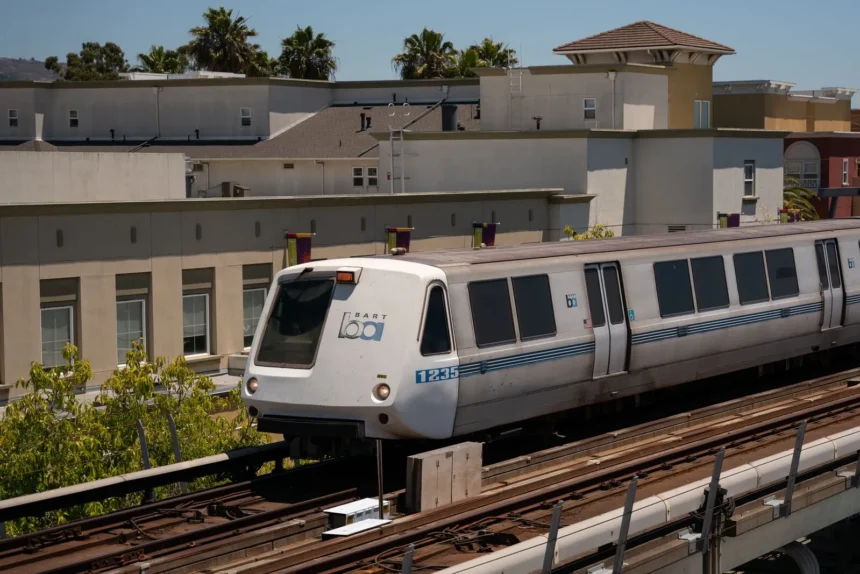

Bay Area transit agencies are facing a funding crisis, leading them to propose a critical sales tax measure on the November 2026 ballot. With a projected revenue of $14 billion over 14 years, the tax aims to prevent drastic cuts to public transportation services, including potential station closures and service reductions.
The Cost of Inaction: Potential Cuts to Service
In light of dwindling ridership and escalating costs, both BART and AC Transit have warned of severe consequences if funding does not materialize. BART has stated it may need to close stations and eliminate weekend service, while AC Transit has hinted at cutting entire bus lines. These drastic measures underscore the urgency for financial support to maintain adequate transit services in the Bay Area.
This week, the Metropolitan Transportation Commission announced that the “Connect Bay Area” tax measure has officially qualified for the November 2026 ballot, having surpassed the necessary signature threshold by over 66%. The measure proposes a 0.5% sales tax in several counties and a 1% tax in San Francisco, aiming to bolster transit funding significantly.
Public Sentiment: Mixed Reactions to Tax Initiatives
Despite the measure’s promising qualifications, recent trends in voter sentiment raise concerns. In June, several tax measures aimed at funding local services were soundly rejected, indicating public fatigue with additional taxation for basic services. Notably, measures aiming to finance healthcare programs and public infrastructure projects also faced disappointment at the ballot box, suggesting a growing hesitance among voters to approve new taxes.
However, advocates behind the Connect Bay Area measure remain optimistic. They believe a combination of broad public support and a compelling argument about the importance of public transportation for community well-being can sway voter opinion. Carter Lavin from the Transbay Coalition referred to the absence of organized opposition as a favorable indicator, noting that public sentiment is increasingly recognizing the potential slip in transit services could lead to increased congestion and pollution.
Grassroots Campaigning: Mobilizing Support
To ensure success, advocates are mobilizing significant grassroots efforts, with over 1,000 volunteers actively engaging communities through door-to-door canvassing and social media outreach. This campaign aims to highlight the tangible benefits that the proposed sales tax could bring to the region, such as sustainable transit options and reduced traffic congestion.
Abibat Rahman-Davies from TransForm CA indicated that effective communication of the measure’s implications has been a cornerstone of their strategy. They are targeting influential groups, such as labor unions and advocacy organizations, to cultivate endorsements and foster greater community awareness regarding the funding crisis faced by transit agencies.
Why This Is Trending
This topic is currently trending in India due to increasing discussions on urban public transport systems and how they relate to sustainability and economic stability. Many Indian cities are struggling with similar funding crises for public transportation, coupled with rising operational costs and post-pandemic ridership challenges. The dialogue surrounding the Connect Bay Area measure serves as a reference point for Indian policymakers and citizens reflecting on their transit policies and funding mechanisms.
Frequently Asked Questions
What is the Connect Bay Area tax measure?
The Connect Bay Area tax measure is a proposed sales tax intended to raise approximately $14 billion over 14 years to support public transit agencies like BART and AC Transit, helping prevent cuts to services due to financial strain.
Why did recent tax measures fail in the Bay Area?
Many tax measures aimed at supporting local services, such as healthcare and public infrastructure, were rejected in June, indicating a growing voter resistance to new taxes for existing services amidst economic pressure.
How are advocates promoting the tax measure?
Advocates are mobilizing a grassroots campaign with over 1,000 volunteers, focusing on community engagement through door-to-door outreach and collaborations with influential organizations to raise awareness of the transit funding crisis.
What are the potential consequences if the tax measure fails?
If the Connect Bay Area measure does not pass, significant cutbacks to transit services may occur, including station closures and the elimination of weekend service, which could worsen congestion and pollution in the region.