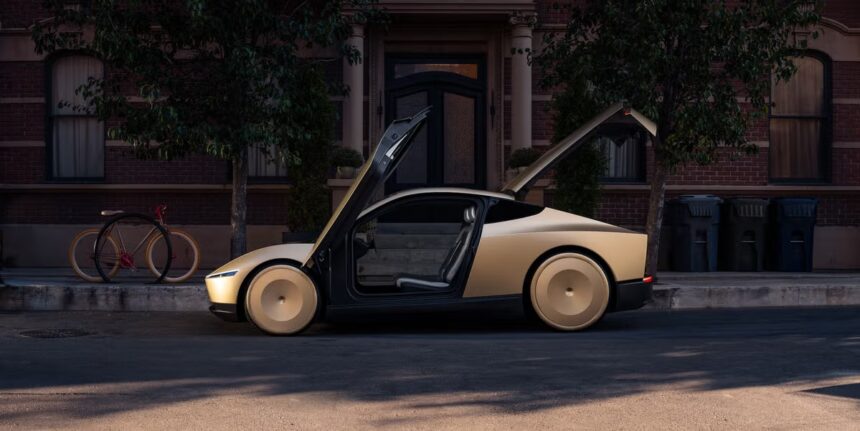

The recent revelations about Tesla’s upcoming Cybercab (also known as Robotaxi) have caught the attention of automotive enthusiasts and tech aficionados alike. Key specifications including horsepower, battery capacity, and estimated driving range have been disclosed, raising questions about its autonomous features and overall viability.
Technical Specifications Unveiled
Recent EPA documents have shed light on the mechanical aspects of the Tesla Cybercab. The two-seat coupe, designed for a driverless experience, is equipped with a 219-horsepower front-mounted electric motor and a curb weight of 3113 pounds. Tesla plans to power the vehicle with a compact 50 kWh battery, allowing it to likely achieve an impressive range of around 280 miles on a single charge. While the specifics are noteworthy, the actual driving experience remains shrouded in uncertainty due to its proposed lack of a steering wheel and pedals.
Autonomous Driving Claims Under Scrutiny
Elon Musk’s ambitious narrative surrounding Tesla’s autonomous vehicles has often been met with skepticism. Over the past decade, Tesla has promised a fully autonomous driving experience, yet real-world applications have fallen short of expectations. For instance, while Tesla operates a handful of driverless Model Y Robotaxis in Texas, questions linger about the Cybercab’s future capabilities and whether riders will indeed assume the role of passengers or drivers.
The Cybercab’s Potential and Market Reception
Though the mechanical specs are fascinating, the overarching appeal of the Cybercab lies in its market positioning as a robotic taxi service. With major cities in India witnessing shifts towards electric mobility, Tesla’s entry into this market could spark significant interest. The prospect of a driverless car aligns with aspirations for advanced transport solutions in urban settings. However, the practical implications, regulatory hurdles, and public perception will play a crucial role in determining the Cybercab’s adoption in the Indian context.
Why This Is Trending
In India, as urbanization accelerates and the government pushes for electric mobility, the Tesla Cybercab becomes an object of fascination. Rising concerns over pollution and climate change are prompting consumers to seek sustainable transportation options. Moreover, Tesla’s reputation as a tech innovator adds a layer of intrigue, making its latest vehicle a trending topic among Indians who are increasingly interested in futuristic solutions for commuting.
Frequently Asked Questions
What is the expected battery range of the Tesla Cybercab?
The Cybercab is expected to feature a 50 kWh battery, allowing for an estimated range of approximately 280 miles according to EPA documents.
Will the Tesla Cybercab have a steering wheel or pedals?
Current insights suggest that the Cybercab will be designed without a steering wheel or pedals, focusing instead on a fully autonomous driving experience.
How powerful is the Tesla Cybercab?
The Cybercab will be equipped with a 219-horsepower electric motor located at the front, contributing to its overall performance as an electric vehicle.
What could influence the adoption of the Cybercab in India?
Factors such as regulatory approvals, public trust in autonomous technology, and the availability of charging infrastructure will play significant roles in the Cybercab’s potential success in the Indian market.