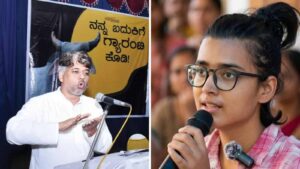

Mohammed Zubair, a prominent Indian political commentator, raises concerns about recent meetings involving Raghav Chadha, where he interacted with various influencers, particularly those known for promoting content directed towards Muslims and Dalits. Zubair’s observations suggest a strategic focus on leveraging social media influencers for political narratives.
Context of the Meeting
Raghav Chadha, a member of the Aam Aadmi Party (AAP), has been active in establishing connections with a diverse group of YouTubers and Instagram influencers. This strategic move aligns with the upcoming monsoon session of Parliament, during which Chadha is expected to launch his new ministry. The interaction appears to be aimed at consolidating support and shaping public perception through social media channels.
Among the influencers Chadha met are individuals notorious for their content that critiques specific communities, particularly Muslims and Dalits. This highlights a growing trend in Indian politics where social media is increasingly utilized to engage voters, especially the youth, by targeting particular demographic segments with tailored messaging.
The Influence of Social Media in Modern Politics
Social media platforms have become essential tools for political engagement, particularly in India, where traditional forms of campaigning have evolved. The use of influencers who can create engaging content gives political leaders a broader reach, allowing them to connect with voters on a more personal level.
Zubair points out that many of these influencers participate in scripted interviews disguised as audience members, which raises ethical questions about authenticity in political discourse. This strategy may resonate with younger voters who increasingly consume information through social media but may also manipulate perceptions by presenting curated narratives.
Chadha’s interactions illustrate a tactical approach to using social media as a propaganda tool rather than a platform for transparent dialogue. The influencers connected to this effort often face criticism for promoting divisive content aimed at marginalized communities, underlining a potential risk for the AAP in maintaining its image as a party that champions inclusivity.
Public Perception and Response
The public response to these developments will likely be polarized. Supporters of the AAP may view Chadha’s outreach as an innovative approach to engage with younger demographics. In contrast, critics may argue that the party is resorting to manipulative tactics to undermine social cohesion and to polarize communities further.
As political narratives are shaped by influencers, public figures must navigate the complexities of accountability and ethical communication. Zubair’s commentary brings attention to the potential consequences of relying on content creators whose agendas may conflict with broader democratic values. The impact of such strategies will become clearer as the monsoon session approaches, setting the stage for how these narratives unfold in national conversations.
Why This Matters
Understanding the implications of Chadha’s meetings with influencers is vital for comprehending the evolving landscape of Indian politics. As parties leverage social media to manipulate public opinion, the potential for misinformation and divisive narratives increases. This raises essential questions about the integrity of political discourse in the country.
The strategic targeting of specific communities through curated content may deepen existing societal divides, further complicating the already intricate framework of identity politics in India. For voters and political analysts alike, discerning the intentions behind these interactions is essential for evaluating the true direction of political messaging and its impact on governance and social harmony.
Frequently Asked Questions
What is the significance of Raghav Chadha meeting influencers?
Chadha’s meetings are significant as they indicate a shift in how political outreach is being conducted, leveraging social media to engage with voters directly and shape public narratives.
Who are the influencers involved in this meeting?
The influencers include YouTubers and Instagram personalities known for creating content targeting specific communities, particularly Muslims and Dalits.
What are the potential risks of such interactions?
Such interactions may risk promoting divisive content, potentially polarizing communities further and undermining inclusive political discourse.
How does this reflect on AAP’s political strategy?
This reflects AAP’s strategy to connect with younger voters through innovative means but raises ethical concerns about the manipulation of social media for propaganda purposes.