Summary
A recent incident in Uttar Pradesh’s Shamli district has highlighted ongoing tensions related to dietary practices and cultural identity, with a Muslim groom and his uncle facing arrest for allegedly serving beef at a wedding reception. This case raises broader questions about religious freedoms, discrimination, and societal norms in contemporary India.
Incident Overview
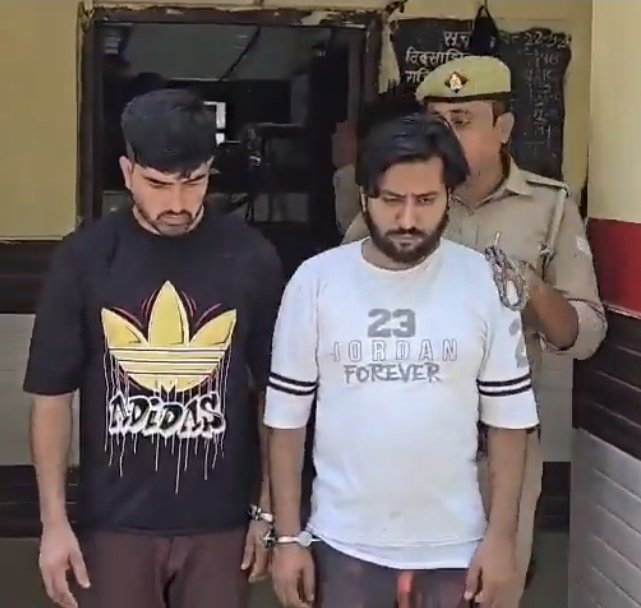
On June 16, Farman, a Muslim groom, married and hosted a walima, or wedding reception, two days later at the Mughal Banquet Hall in Kairana. According to reports from the Press Trust of India (PTI), allegations arose that beef was served at the event. Police, led by Additional Superintendent of Police Sumit Shukla, acted on a complaint and subsequently arrested Farman, his maternal uncle Salman, and the banquet hall owner Anees under the Uttar Pradesh Prevention of Cow Slaughter Act.
Authorities reported that an SUV, allegedly used to transport the meat, was seized, along with the suspected beef. Farman had received this vehicle as a wedding gift, highlighting the intersection of personal celebrations and societal enforcement of dietary laws. While police have arrested three individuals in this case, they continue to search for additional suspects allegedly involved.
Cultural Context and Legal Framework
The Uttar Pradesh Prevention of Cow Slaughter Act, which carries stringent penalties, reflects a legal framework deeply intertwined with religious sentiments in India, particularly in states ruled by the Bharatiya Janata Party (BJP). In Hinduism, the cow is regarded as sacred, and its slaughter is not only a legal issue but also a cultural flashpoint.
This incident raises important questions regarding religious freedoms and the practices of minority groups in India. The enforcement of such laws disproportionately affects Muslims, who often find their culinary traditions at odds with the prevailing legal and social attitudes. The implications of such enforcement extend beyond mere dietary restrictions, impacting social relations, economic activities, and the sense of belonging for affected communities.
Wider Implications of Discrimination
The arrests and legal actions taken against the individuals in this case serve as one of many examples of systemic discrimination against Muslims in India. The BJP and its associated organizations have been criticized for fostering an environment that marginalizes minorities and promotes exclusionary practices.
The socio-economic ramifications are significant, as acts of discrimination and cultural policing can lead to feelings of alienation within the Muslim community. Economic boycotts emerge as a tactic within these communities, driven by fears of repurcussions for engaging in particular business practices. Such dynamics perpetuate cycles of poverty and disenfranchisement, leaving many Muslims feeling marginalized with limited access to resources and opportunities.
Why It Matters
The situation highlights a critical discourse on religious freedoms and minority rights in contemporary India. Understanding the implications of such incidents is essential for global audiences, particularly in the context of rising nationalism and its impact on the social fabric. Stakeholders, including policymakers and civil society, must engage with these issues to foster a more inclusive society.
Moreover, the situation has repercussions for India’s international image as a secular democracy. The rise of discriminatory practices could undermine progress toward social equality and human rights, necessitating urgent attention from both domestic and global platforms.
Frequently Asked Questions
What was the basis for the arrest of the groom and others?
The arrests were made under the Uttar Pradesh Prevention of Cow Slaughter Act, after allegations surfaced that beef was served at a wedding reception.
What is the significance of the Uttar Pradesh Prevention of Cow Slaughter Act?
This law aims to protect cows, considered sacred in Hindu culture, and carries stringent penalties for violating its provisions, leading to controversial enforcement primarily against Muslim communities.
How does this incident reflect broader social issues in India?
The arrest illustrates systemic discrimination faced by Muslims in India, highlighting tensions between religious freedoms and cultural enforcement prevalent among the ruling BJP government.
What are the potential consequences for the individuals involved?
The individuals arrested may face legal repercussions, including imprisonment and fines, which could have lasting effects on their social and economic standing within their community.