
Summary
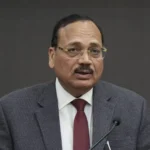
Recently, the Ministry of External Affairs (MEA) defended Prime Minister Narendra Modi’s choice to avoid unscripted press conferences, arguing that he favors direct communication with the Indian public. This defense has sparked responses from GenZ students, who are raising concerns about the current governance and the ruling Bharatiya Janata Party (BJP).
MEA’s Defense of PM Modi
The MEA’s assertion reflects a broader strategy employed by the Modi administration, which has increasingly engaged with the populace through social media and public events rather than traditional press briefings. They claim that this approach caters to GenZ preferences for direct interactions, avoiding what they describe as “intermediaries.” The ministry’s comments underscore a significant strategy to maintain a controlled narrative while engaging younger voters who frequently rely on digital platforms for news and information.
However, many young citizens remain skeptical about this approach. They argue that direct interactions lack the accountability and depth often found in unscripted press conferences, where journalists can probe leaders on pressing issues.
Concerns Raised by GenZ Students
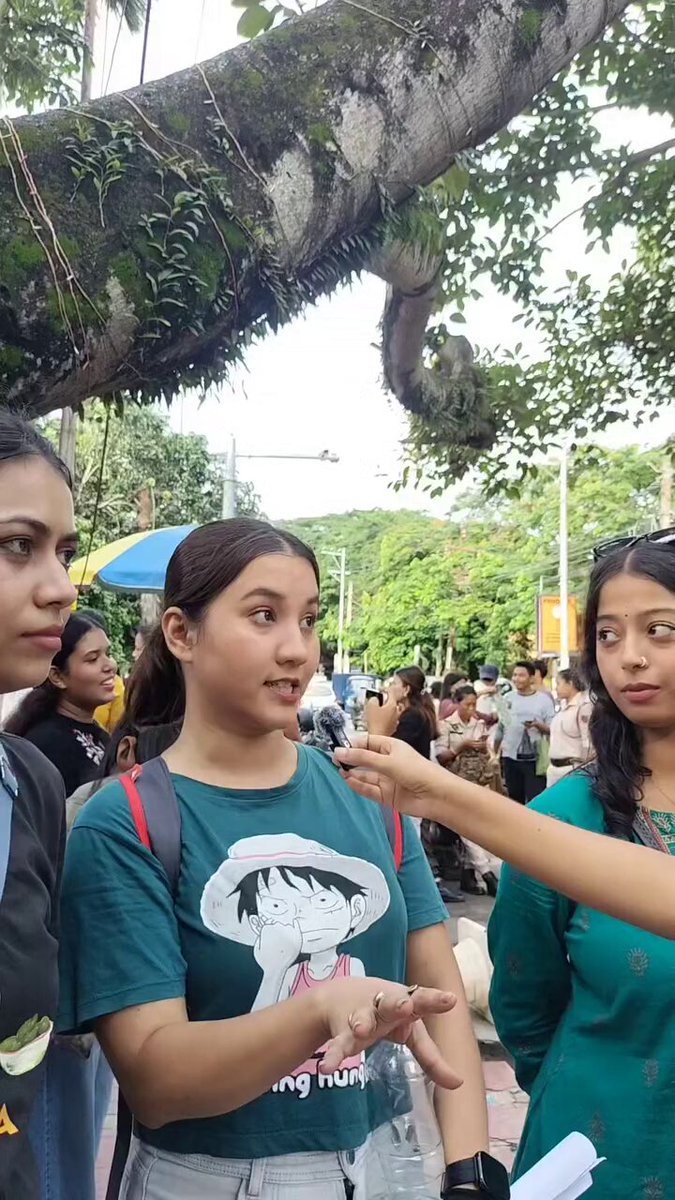
In a video highlighted by political commentator @zoo_bear, GenZ students expressed their frustrations regarding the current situation under the ruling BJP government. Their concerns ranged from issues like unemployment, rising prices, and the perceived autocracy of the government. This demographic, largely empowered by social media, articulates a desire for more engagement with political leaders and seeks transparency in governance.
The students voiced that by avoiding press interactions, PM Modi distances himself from pressing public concerns, inadvertently fostering a sense of disillusionment among youth who feel their voices are not being heard. They emphasized the importance of dialogue, especially on platforms that allow for critical questioning and engagement.
Political Implications of the Current Landscape
The dynamics between the government and GenZ can bear significant implications for future electoral outcomes. As the largest demographic group in India, the preferences and sentiments of young voters can shape political strategies for parties, including the BJP.
Political analysts suggest that the government’s avoidance of unscripted engagements might be a double-edged sword. While it allows PM Modi to maintain a carefully curated image, it simultaneously alienates a generation that seeks authenticity and connection. If the ruling party fails to address these concerns, it risks becoming increasingly out of touch, potentially jeopardizing its hold over younger voters.
Furthermore, the rise of digital platforms as a means of political expression means that student and youth grievances can gain momentum rapidly. This pressure could push the government to reconsider its communication strategies and return to more traditional forms of media engagement.
Why This Matters
Understanding the relationship between the ruling party and young voters is crucial given the current societal context. The sentiments voiced by GenZ students reflect broader trends of discontent among the youth in India, who are increasingly vocal about their dissatisfaction with issues that directly impact their futures. This demographic will play a pivotal role in upcoming elections, and their lack of faith in current governance could alter the political landscape significantly.
Policies shaping issues such as job creation, education, and rising costs are directly linked to voter sentiments. If Modi’s government does not engage substantively with these issues, it risks alienating a key segment of the population that holds the potential to influence future elections.
Frequently Asked Questions
Why does PM Modi avoid unscripted press conferences?
The MEA argues that PM Modi prefers direct communication with citizens, as it resonates more with young audiences who favor immediate and authentic interactions.
What concerns do GenZ students have about the current government?
GenZ students express frustrations regarding unemployment, rising prices, and a sense of government autocracy, yearning for transparency and more direct engagement from political leaders.
What is the potential impact of GenZ dissatisfaction on future elections?
As the largest voter demographic, the sentiments of GenZ can significantly influence electoral outcomes. If their concerns remain unaddressed, the ruling party risks losing their support in future elections.
How is social media influencing political discourse in India?
Social media serves as a powerful platform for young citizens to voice their concerns, mobilizing opinion and pressure that can shape political narratives and strategies.