
Recent developments in Manipur highlight the misinformation surrounding the arrest of one Abdul Hilim. Initially associated with a gruesome video depicting the sexual assault of two women, the Manipur police clarified that his arrest was linked to a separate crime. The spread of misleading information has sparked outrage and raised concerns about communal narratives in the media.
Background of the Incident
The incident that erupted nationwide outrage happened in Thoubal district of Manipur, involving two women who were paraded naked and sexually assaulted. This shocking event took place on July 20, leading to Prime Minister Narendra Modi’s rare comments on the prolonged unrest in the state, which had lasted over 79 days. The gravity of the situation prompted immediate police actions and public outcry.
On the night of the incident, various social media commentators, particularly from rightwing factions, began circulating the news of Abdul Hilim’s arrest. A critical gap in the accuracy of reports emerged, as many suggested that his arrest was directly related to the crimes captured in the viral video, despite the police’s indications to the contrary.
Clarifications from Authorities
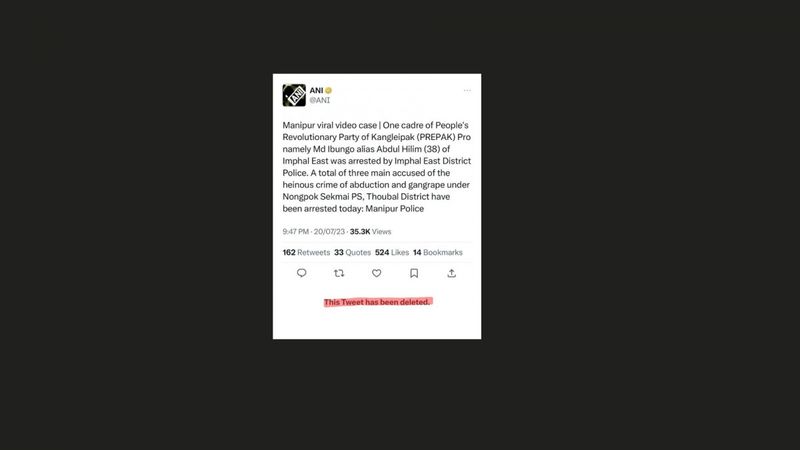
Both the Manipur police and the news agency ANI contributed to the confusion. While ANI initially tweeted that Abdul Hilim was arrested in connection with the sexual assault case, the Manipur police announced his arrest for unrelated criminal activities shortly thereafter. This disjointed communication created a misleading narrative that linked Hilim to the infamous viral case.
Within hours, ANI issued a retraction, admitting their mistake in reading the information from the police. They clarified that their initial tweet had conflated different arrests made by the police during that evening, thus perpetuating false information that further inflamed communal tensions. The retraction came over 12 hours after the initial erroneous tweet, raising questions about media accountability.
Role of Social Media and Misinformation
Social media played a significant role in disseminating the misleading information and amplifying narratives that were not substantiated by facts. Prominent rightwing commentators, including members of the Bharatiya Janata Party (BJP), quickly capitalized on the situation, altering Abdul Hilim’s name to “Abdul Khan” to evoke a more recognizable communal stereotype. This act of renaming underscores how social narratives can be manipulated for political gain.
In the aftermath, social media users pointed out the pattern within ANI’s reporting that seemingly prioritizes mentioning the names of accused when they are from the Muslim community, which raises concerns about biased coverage in sensitive cases. Mohammed Zubair, a well-known fact-checker, highlighted the efforts of rightwing commentators to exploit this incident for communal narrative building, further complicating the discourse around the ongoing violence in Manipur.
Why This Matters
The manipulation of facts surrounding sensitive issues like sexual assault and ethnic violence holds profound implications for Indian society. With the potential to stoke communal tensions, the dissemination of misinformation can distort public perception and deepen societal divides. The relationship between political narratives, media representation, and community identities highlights the urgent need for responsible journalism and critical media consumption among the public.
As Manipur grapples with ongoing violence and unrest, clear communication from authorities, coupled with accountability from media outlets, is essential. This incident illustrates how quickly misinformation can spread and the significant impact it can have on communal harmony and social justice within a diverse nation like India.
Frequently Asked Questions
What was Abdul Hilim arrested for?
Abdul Hilim was arrested by Imphal East police for an unrelated crime and not for the sexual assault case involving the viral video.
How did the misinformation spread?
The misinformation arose primarily from a tweet by ANI that incorrectly linked Hilim’s arrest to the Thoubal incident. Rightwing commentators further amplified this false narrative.
What was the response from the police and ANI?
The Manipur police clarified the details of the arrests through separate statements, while ANI later issued an apology and retraction for the misleading tweet after initial confusion.
Why is this incident significant in the context of Indian politics?
This incident reflects the fragility of public discourse in India, especially when sensitive and communal narratives emerge. It highlights the necessity of responsible media practices to prevent misinformation and foster social unity.