
The Madhya Pradesh Additional District and Sessions Court has sentenced 14 individuals to life imprisonment for the mob lynching of Nazir Ahmed, who was killed in Seoni Malwa in August 2022 over allegations of cattle smuggling. The emotional aftermath of the verdict has sparked protests from the convicts’ family members, raising questions about the grassroots motivations behind such violent actions in the name of cow protection.
Overview of the Lynching Incident
On August 3, 2022, Nazir Ahmed, a resident of Amravati, Maharashtra, was brutally murdered by a mob in Madhya Pradesh’s Seoni Malwa tehsil. The mob’s actions were fueled by allegations that he was involved in cattle smuggling. This incident shocked the nation and highlighted the growing issues surrounding cow vigilantism, where self-proclaimed cow protectors take the law into their own hands, often leading to violent confrontations against accused individuals.
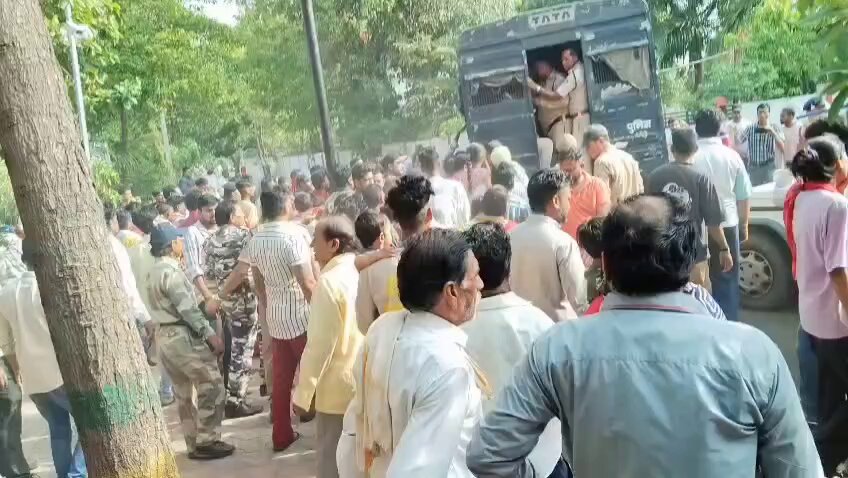
Years later, on August 25, 2023, the court delivered its verdict, convicting all 14 accused individuals. The convicted were handed life sentences, a decision that triggered an emotional uproar outside the courtroom. Family members of the convicts were visibly distraught, protesting the sentence and expressing their belief that the youths were simply participating in what they thought was a legitimate act of cow protection.
Immediate Reaction and Aftermath
Following the court’s decision, emotional scenes unfolded outside the courthouse. Relatives of the convicts protested vigorously, attempting to block police vehicles as the convicted men were taken away. Some family members even lay down in front of the police cars, sparking a brief scuffle with law enforcement officials. Despite the tumult, police managed to restore order and escort all 14 convicts to jail.
Family members expressed that their loved ones had been misguided into believing they were engaging in ‘gau seva’ (cow service), a term often used to describe acts of cow protection. Their remarks echo a broader sentiment among some communities who view cow protection as a duty, making the case not just a matter of law, but also one of cultural and emotional significance.
The Broader Context of Cow Vigilantism
The lynching of Nazir Ahmed is not an isolated incident; rather, it is a part of a disturbing trend of vigilantism associated with cow protection. These acts often emerge from a societal context where cow slaughter is viewed not only as a legal issue but also as a matter of religious and cultural identity for many Hindus. Various state governments have enacted laws against cow slaughter, further exacerbating tensions and violence surrounding the issue.
Organizations and movements advocating for cow protection often see themselves as guardians of tradition and culture, creating a pretext for violent actions under the guise of religious duty. This has resulted in numerous instances of mob justice across different states, leading to significant public outcry and debates about law enforcement, justice, and social responsibility.
Why This Matters
The conviction of the 14 individuals in the mob lynching of Nazir Ahmed shines a spotlight on the grave consequences of cow vigilantism in India. It underscores the struggles within Indian society regarding mob justice and the individual’s right to a fair trial. This incident raises pressing questions about the rule of law, minority rights, and the implications of religious vigilantism on national unity.
As the political landscape continues to evolve, such violent events not only dominate public discourse but also reflect deeper societal divides. This case could significantly influence how law enforcement and politicians address issues of safety, justice, and religious sentiments, potentially shaping future policy directions and public opinions.
Frequently Asked Questions
What sparked the mob lynching of Nazir Ahmed?
He was accused of cattle smuggling, which led to a mob taking violent action against him in Seoni Malwa, Madhya Pradesh, in August 2022.
What was the outcome of the court case?
On August 25, 2023, a Madhya Pradesh court convicted 14 individuals involved in the lynching and sentenced them to life imprisonment.
How did family members react to the verdict?
The relatives of the convicts protested outside the court, expressing their sorrow and attempting to prevent police from taking the convicted men into custody.
What does this case signify in the context of cow vigilantism in India?
This incident underscores the ongoing issues surrounding cow protection, mob justice, and the broader societal implications entangled in religious sentiments and cultural identity in India.