
On a Thursday morning, three directors and several shareholders of a seafood company convened around a conference table, engaged in a presentation on food packaging. “Good packaging adds value to a product; it can even fetch a higher price,” stated the instructor from the Indian Institute of Packaging. As the directors nodded along, the silver tinsel in their hair and golden nose rings gleamed, characteristic of Koli women.
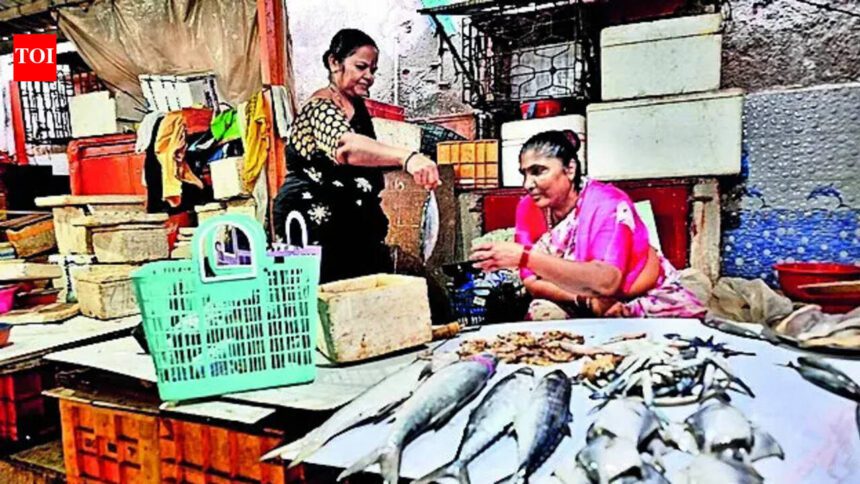
These women have historically never attended workshops or worked for a company, let alone run one, yet they are at the helm of Daryavardi Producer Company Limited (DPCL), the first fish farmer producer organization in Mumbai. This community-owned enterprise is entirely managed by Koli women and aims to transform their fish-vending trade from a cottage industry into a corporate venture. Currently, DPCL boasts 1,000 shareholders from the community and is diversifying its offerings, which include fish, spices, and snacks, and expanding into online sales and live food counters. A community kitchen is already operational, a cloud kitchen is in development, and discussions about exports are underway.
April marked the third anniversary of the company’s founding. “We didn’t realize that packaging affects shelf life; we always sold fish in polythene bags,” reflected Pratibha Patil, a director from Juhu Koliwada. “We’ve now learned that attractive, leakproof packaging is not only more hygienic but can also help us sell more.”
For 600 years, Koli women have followed a consistent trade model, moving from landing centers and wholesale markets to independent sales counters. However, recent changes are transforming their business practices. Improved packaging is just one aspect of this transformation; the broader picture encompasses streamlined operations, centralized logistics, product development, digital payments, soft-skills training, branding, and marketing—functions that modernize Koli commerce.
Ujjwala Patil, a community leader and founder of the fishers’ rights organization Daryavardi Mahila Sangh in 2018, stated, “We decided to follow the Amul model, bringing together Koli women to collectively produce and market fish and fish-based products. We wanted complete autonomy, so we chose to run the enterprise not as a cooperative but as a company. What Amul did for the White Revolution, DPCL will do for the Blue Economy.”
The company is composed of over 50 self-help groups anchored in koliwadas across the city, each tasked with specialized work that supports the broader business initiative.