
Exploring Discrimination and Marginalization of Indian Muslims
Indian Muslims have faced a complex landscape of discrimination, social exclusion, and economic marginalization in the context of sociopolitical dynamics, particularly under the Sangh and BJP governments. This reality is compounded by the misrepresentation of their contributions to society, often limited to religious identities rather than recognized for their efforts in national development.
Context of Current Discontent: The Case of Khan Sir
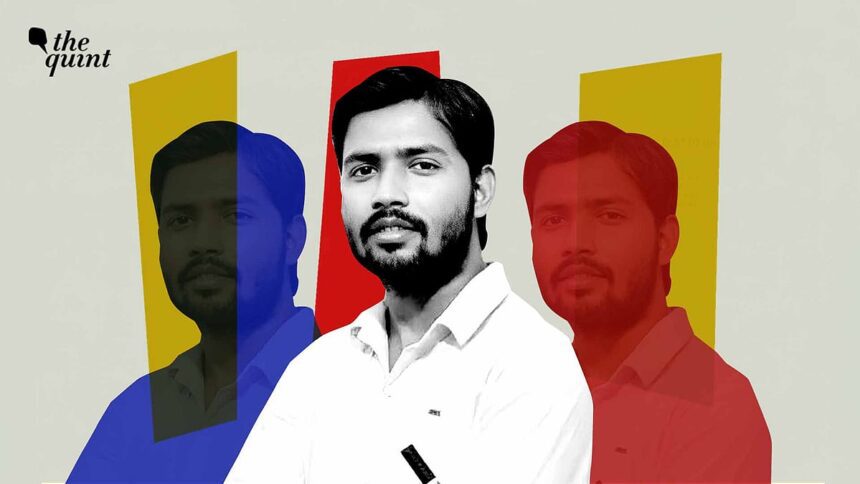
Khan Sir, a well-known educator operating low-cost institutes for competitive examinations, embodies a modern narrative where the Muslim identity intersects with public perception and acceptance. His initiatives democratize education, offering access to quality training at an affordable rate, which has significantly contributed to the lives of many aspiring students. However, despite these contributions, he has found himself embroiled in controversies, sparking debates about the precarious position of Muslims in the public sphere.
The backlash against him raises critical questions about societal attitudes towards successful Muslims. Khan Sir’s monetary assistance during the COVID-19 pandemic, which helped establish a hospital providing essential medical services at nominal prices, could have positioned him as a community hero. Nevertheless, the current anger directed towards him suggests a larger pattern of discomfort and an unsettling hesitation to celebrate Muslim achievements beyond a superficial ‘good Muslim’ narrative.
The Sachar Committee and Its Implications
The concerns expressed in the 2006 Sachar Committee report illuminate the palpable sense of fear and insecurity within the Muslim community. Two key observations stand out: first, Muslims are often perceived predominantly as religious fundamentalists, overshadowing their contributions to national growth and development. This misrepresentation fuels ongoing suspicion, creating a barrier to integration and acknowledgment in broader narratives of national identity.
Second, political maneuvers have historically exploited Muslim identity for electoral gains, perpetuating a cycle of neglect. Political leaders tend to view Muslims as a vote bank, securing their support through promises of security while diverting attention from pressing issues such as education and employment. This exploitation further entrenches systemic inequalities, leaving critical needs unaddressed and deepening societal divides.
The Political Landscape and Its Impact
The relationship between Indian Muslims and mainstream political entities has become increasingly strained, especially in the context of the current BJP-led government. Policies that could uplift Muslims are often dismissed as ‘appeasement,’ casting development efforts in a negative light. Instead of focusing on poverty alleviation and creating educational environments conducive for growth, political discourses lean towards polarizing narratives that serve short-term political interests.
This scenario not only affects Muslims economically but also influences the broader community’s perception of national identity and belonging in India. The societal narrative subtly suggests that Muslim achievements are to be viewed with suspicion, perpetuating an environment where contributions are overshadowed by biases and set political agendas, rather than celebrated as part of the rich tapestry of Indian diversity.
Why It Matters
The ongoing discrimination and marginalization of Indian Muslims have far-reaching implications for social cohesion and stability in India. By ignoring their contributions and perpetuating narratives that isolate them, society risks creating deeper divides that can lead to unrest. Acknowledging the multifaceted identity of Indian Muslims is essential for fostering a more equitable future, where everyone is recognized for their contributions irrespective of their religious background. This recognition is vital not only for societal well-being but also for the integrity of India’s democratic ethos.
Frequently Asked Questions
What is the Sachar Committee report?
The Sachar Committee report, published in 2006, was a significant assessment of the socio-economic conditions of Muslims in India, highlighting disparities in education, employment, and political representation.
Why are Muslim contributions often overshadowed?
Muslim contributions are frequently overshadowed due to prevailing stereotypes that categorize them primarily as religious fundamentalists, limiting the broader recognition of their roles in national development.
How does current politics affect Indian Muslims?
Current political dynamics tend to exploit the Muslim community for electoral gains, often sidelining genuine socio-economic issues that affect their lives and perpetuating cycles of marginalization.
What role do educational initiatives play in this context?
Educational initiatives, like those led by figures such as Khan Sir, aim to democratize access to opportunities and empower Muslim youth, yet they face challenges stemming from societal perceptions and political narratives.