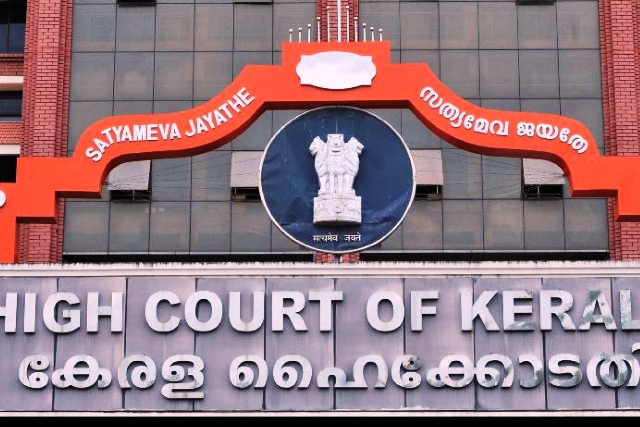

High Court Ruling Reiterates Importance of Oaths for Elected Officials
On June 24, 2023, the Kerala High Court made a significant ruling emphasizing that elected local body representatives must adhere strictly to the statutory format of oaths as per the Kerala Municipality Act and the Kerala Panchayat Raj Act. Justice P V Kunhikrishnan deemed invalid the oaths taken by several councillors from the BJP in Thiruvananthapuram and a panchayat member who included specific deities and political symbols in their oaths.
Judicial Clarification on Oath-taking Norms
The court’s ruling specifically stated that elected officials must either swear “in the name of God” or make a solemn affirmation without any embellishments. This ruling found particular fault with the invocation of Hindu deities, references to “Bharathamba” (Mother India), “Bharatha Matha,” religious leaders, political martyrs, and even former Chief Minister Oommen Chandy during the oath-taking process. This decision affected 20 councillors in Thiruvananthapuram and one member from Vadakkencherry grama panchayat in Palakkad.
Justice Kunhikrishnan pointed to the importance of maintaining a uniform oath format as a fundamental requirement for upholding democratic institutions. He expressed that while individuals may have the right to religious freedom, the oaths taken by public officials must comply with the standardized procedural norms set by the law.
Implications of the Ruling on Democratic Processes
This judgment does not disturb the democratic mandate derived from the elections of the affected representatives; rather, it highlights the significance of procedural integrity within governance. As such, the court instructed that the affected representatives must take new oaths in accordance with legal requirements within a four-week period. Notably, the actions taken by the Thiruvananthapuram councillors prior to the ruling are protected under Section 531 of the Kerala Municipality Act, while the Vadakkencherry panchayat member’s prior actions are rendered invalid pending the retaking of the oath.
The court’s decision balances the necessity for strict adherence to legal procedures with the reality of governance. By refraining from imposing penalties, it acknowledges that the councillors acted based on their beliefs regarding the oath’s validity. This distinction underscores the careful navigation required when interpreting constitutional mandates in a diverse society.
Why It Matters
The significance of this ruling extends beyond the immediate context of the individual councillors. It serves as a reminder of the foundational principles governing democratic structures in India, especially as they pertain to secularism and inclusivity. Establishing a level playing field for all representatives, regardless of their personal beliefs, strengthens the public’s trust in democratic institutions. As various local bodies face ongoing challenges related to communal politics, such interventions can set a precedent for maintaining a secular governance framework across India.
Furthermore, the court’s decision could have implications for how future oaths are taken in similar jurisdictions. Ensuring uniformity in oath-taking can play a crucial role in safeguarding the secular ethos of a diverse nation. The ruling also highlights the need for political parties, including those in power, to adhere to constitutional norms to maintain public faith.
Frequently Asked Questions
What motivated the Kerala High Court’s ruling regarding the oaths?
The ruling stemmed from deviations by elected officials in Thiruvananthapuram and Vadakkencherry from the prescribed statutory format, emphasizing the need for uniformity and adherence to legal standards.
What happens to the actions taken by the invalidated councillors?
The Thiruvananthapuram councillors’ actions are protected under Section 531 of the Kerala Municipality Act, meaning their decisions remain valid. Conversely, the Vadakkencherry panchayat member’s actions are considered invalid until the oath is retaken.
Were there any penalties imposed on the councillors for this ruling?
No penalties were imposed by the court, indicating recognition of the councillors’ genuine belief regarding the validity of their oath-taking actions.
How does this ruling relate to secularism in India?
This ruling reinforces the principles of secularism as articulated in the Indian Constitution, ensuring that public oaths reflect a neutral and universally accepted format rather than personal religious symbols.