
Government securities (G-Secs) gained traction this Wednesday following statements from RBI Governor Sanjay Malhotra, signaling that any rate hike is not imminent. This optimism was further supported by a drop in Brent crude oil prices, which fell below $76 per barrel, impacting investor sentiment positively.
Market Dynamics: G-Sec Yields and Prices
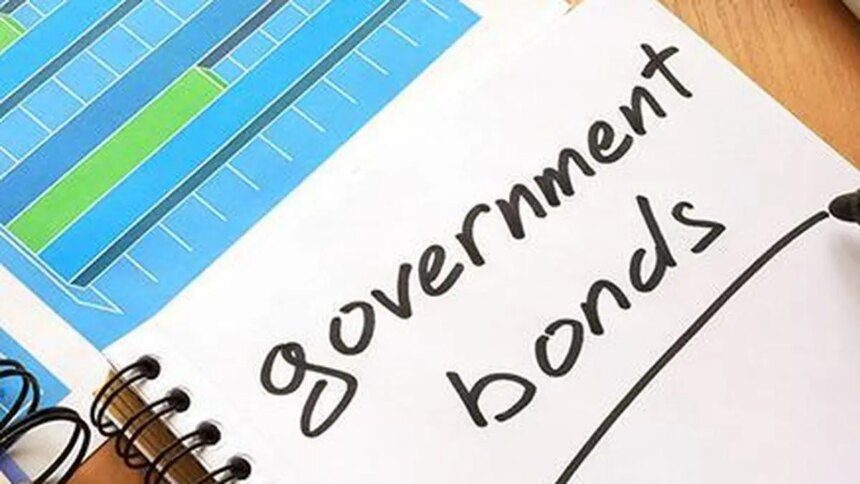
The yield on the new 10-year benchmark G-Sec, 6.94 per cent GS2036, decreased by 5 basis points to close at 6.78 per cent, down from the previous day’s close of 6.83 per cent. This decline reflects a rise in the price of this security by 35 paise. The inverse relationship between yield and price continues to be a focal point for investors, demonstrating that as yields decline, prices naturally increase.
Malhotra emphasized the importance of caution in monetary policy, indicating that external uncertainties are prevalent, which suggests that any hasty decisions regarding rate hikes may not be justified. This sentiment was expressed during his interview with ET Now, where he stated: “If it was so certain that we are going to hike (the repo rate) in the coming months, then we would have changed the stance from neutral to restrictive. We did not do that.”
Crude Oil Price Impact and External Factors
Brent crude oil prices have shown a notable decrease, settling around $75 per barrel. This decline is attributed to geopolitical developments, particularly a recent agreement between the US and Iran regarding the Strait of Hormuz, which is a vital shipping route for global oil trade. Such a lower oil price can significantly influence India’s inflation trajectory, current account deficit, and currency stability.
Venkatakrishnan Srinivasan, Managing Partner at Rockfort Fincap LLP, noted that the increase in G-Sec prices is supported by positive foreign investor sentiment and reduced crude oil prices, alongside effective communication from the Reserve Bank of India. He reiterated that the demand from Foreign Portfolio Investors (FPIs) has surged, owing to various government measures aimed at attracting foreign capital while mitigating rupee volatility.
The Rupee’s Recovery
In addition to the G-Sec rally, the Indian rupee experienced a rebound after touching an intraday low of 94.91 per US Dollar. It closed 7 paise stronger at 94.6650 per USD compared to the previous close of 94.7350. The recovery was facilitated by RBI interventions and a flow of FPI-related funds into the Indian debt market, enhancing investor confidence in the currency.
Radhika Rao of DBS Bank highlighted that since April 2026, foreign investors have shown renewed interest in Indian bonds, with inflows surpassing $3 billion. The potential inclusion of Indian government bonds in Bloomberg’s global bond indices may further enhance this traction, promising greater participation from both local and foreign investors.
What This Means
The current dynamics of G-Sec yields, crude prices, and the rupee’s performance offer critical insights for Indian market participants. An environment of steady or possibly declining yields could provide bolstered prospects for infrastructure financing and government borrowing initiatives. However, fluctuating global oil prices and geopolitical uncertainties remain key variables that could reshape the economic landscape. Government and RBI policies must adapt promptly to these changing conditions to reassure investors and maintain stability in the financial markets.
Frequently Asked Questions
What are government securities (G-Secs)?
G-Secs are debt instruments issued by the government of India to borrow money from the public, used primarily to finance government spending and economic projects.
Why do bond yields decrease?
Bond yields typically decrease due to increased demand for bonds, often driven by investor confidence in the asset class or a decline in interest rates from central banks, making existing bonds with higher coupons more attractive.
How do crude oil prices affect the Indian economy?
Crude oil prices significantly impact inflation rates, the current account deficit, and overall economic health. Higher oil prices can increase inflation and negatively impact the trade balance, whereas lower prices can provide relief and stabilize the currency.
What does RBI’s stance on rate hikes mean for investors?
The RBI’s cautious stance on rate hikes suggests that investors can expect a stable interest rate environment for the near term, which can foster a favorable atmosphere for investment in G-Secs and other debt instruments.