
Summary
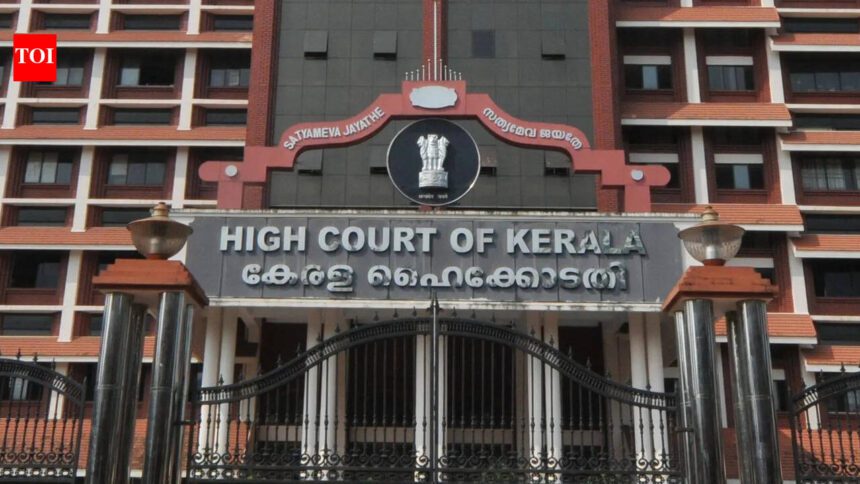
The Kerala High Court has sought the state government’s views on a public interest litigation (PIL) filed by BJP state vice-president Shone George, which demands the inclusion of non-Muslim members on the Kerala State Waqf Board. This legal action highlights ongoing discussions around religious representation and the potential marginalization of non-Muslims in state-appointed boards.
The Waqf Board Controversy
The Kerala State Waqf Board, established to oversee and manage public waqf properties, is subject to amendments under the Waqf Act of 2025. This amendment explicitly mandates the appointment of at least two non-Muslim members on the board, effectively ensuring diverse representation and professional oversight. Despite this legislative requirement, the state government has appointed a board composed entirely of Muslims, which, according to the petition, illustrates a blatant disregard for the law. The argument presented is that such actions may lead to centralized control by one religious group and limit accountability in managing waqf assets that serve the public interest.
Government Response and Legal Proceedings
In response to the PIL, the bench led by Chief Justice Soumen Sen and Justice V M Syam Kumar has deferred the case, granting the government a two-week extension to formulate a detailed reply. This postponement highlights the ongoing tension between state directives and compliance with established laws intended to promote inclusivity in governmental roles. The government’s previous order, dated February 4, 2026, appointed nine Muslim members to the 11-member board, stressing that roles of the two remaining members would be filled later. This situation raises further questions about transparency and the timeline for implementing the requisite changes.
Implications for Social Inclusion
This case underscores significant concerns regarding social inclusion and the equitable representation of religious minorities in government positions. The Waqf Act’s provision for non-Muslim representation is designed not only to comply with legal standards but also to foster an environment of shared governance. Failure to adopt this could perpetuate feelings of alienation among non-Muslims and fuel communal tensions, especially in regions where religious identities are intertwined with political and social narratives. The current scenario invites scrutiny of potential biases in decision-making processes, inviting discussions on secular governance in a diverse society.
Why It Matters
The developments surrounding the Kerala Waqf Board are essential for understanding the broader implications of governance in multi-religious societies. The legal framework that mandates inclusivity is crucial in mitigating discrimination and fostering social cohesion. Moreover, the government’s response will set a precedent for similar cases that arise across India, impacting community relations and institutional accountability among various religious groups. As societies strive for greater representation and equity, it is imperative that policies reflect diverse voices, ultimately fortifying democratic principles.
Frequently Asked Questions
What is the Kerala State Waqf Board?
The Kerala State Waqf Board is an institution responsible for managing and overseeing public waqf properties within Kerala, aiming to protect and efficiently utilize these resources for the public good.
What does the Waqf Act of 2025 state regarding board membership?
The Waqf Act of 2025 mandates that at least two non-Muslim members must be included in the Waqf Board to ensure professional diversity and accountability in managing waqf properties.
Why is the inclusion of non-Muslim members significant?
The inclusion of non-Muslim members is significant as it promotes secular oversight and reflects the diverse demographic of the state, ensuring all communities have a voice in governance and management of public resources.
What actions have been taken by the Kerala government regarding board appointments?
As of February 4, 2026, the Kerala government appointed nine Muslim members to the 11-member Waqf Board, with plans to name the remaining two members later, leading to concerns about compliance with the new legal requirements.