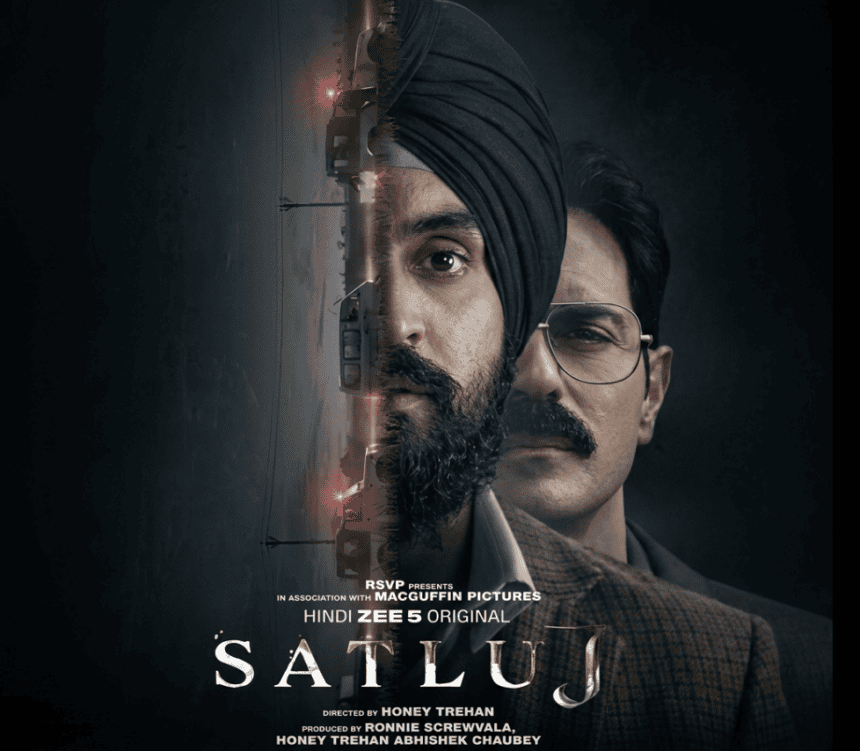

Government Overreach: The Removal of “Satluj”
The removal of the film Satluj from the streaming platform ZEE5 has raised significant concerns among Indian journalists and film critics, with over 50 signatories condemning the action. This film chronicles the life of human rights activist Jaswant Singh Khalra, who was murdered for exposing human rights abuses by the Punjab Police during the 1980s and 1990s. Critics argue that this decision exemplifies government overreach and curtailment of artistic expression.
The Context of Censorship
Satluj, initially titled Punjab ’95, fought through nearly four years of censorship battles before its release. The Central Board of Film Certification (CBFC) initially requested an extraordinary number of edits, escalating from 21 to 127 as the film underwent successive reviews. Despite clearing these hurdles, the film was taken down from ZEE5 less than 48 hours after its premiere on July 3, underscoring an alarming trend in government oversight.
The film recounts the true story of Jaswant Singh Khalra, who documented thousands of alleged extrajudicial killings and secret cremations of Sikh civilians by the Punjab Police. Khalra’s efforts earned him national and international attention, but he eventually became a target himself, leading to his abduction and murder by the police in 1995. This historical context highlights the risks faced by individuals who challenge state narratives, a situation that resonates with various ongoing issues concerning free speech in the country.
Reactions from the Media and Public
The open letter to Information and Broadcasting Minister Ashwini Vaishnaw, signed by notable journalists and film critics such as Namrata Joshi and Priyanka Roy, calls for transparency in the government’s decision-making process. The removal of Satluj has not only drawn condemnation from the media but has also spurred protests from Sikh organizations, which have organized community screenings of the film across Punjab to ensure it reaches wider audiences.
The letter further criticized the abolition of the Film Certification Appellate Tribunal in 2021, indicating that filmmakers now face costly legal battles to challenge censorship decisions. Critics argue that the government’s actions contribute to a chilling effect on artistic freedom and expression, posing broader implications for civil liberties in India.
Legality and Government Accountability
Critics of the government’s intervention argue that the removal of the film after its release on a streaming platform violates established norms that stipulate such releases do not require certification from the CBFC. The Indian Parliament previously clarified that films released exclusively on streaming services fall outside the jurisdiction of the CBFC, raising questions about the legal basis for this executive decision.
The open letter from journalists and critics demands greater transparency, including the public release of findings from an inter-departmental committee that reportedly reviewed the film. The concerns extend to issues of governmental transparency in content regulation, further indicating that the streamlining of digital media regulations is essential to protect artistic expression in a democratic society.
Why It Matters
The removal of Satluj serves as a critical case study in the ongoing conversation about artistic freedom, government overreach, and censorship in India. The actions of the government highlight the complexities of media regulation in the digital age and raise important questions about the boundaries of state intervention. For filmmakers and media developers, this incident serves as a reminder of the precarious nature of creative expression in politically charged environments.
The ongoing discussions and public reactions signify a growing awareness and resistance to executive overreach, potentially impacting future legislative discourse surrounding digital media and artistic expression. As digital platforms continue to evolve, the responses to incidents like the removal of Satluj will be crucial in shaping the landscape of creative freedom in India.
Frequently Asked Questions
What is the film Satluj about?
The film Satluj documents the life of Jaswant Singh Khalra, a human rights activist who investigated the extrajudicial killings by Punjab Police during political violence in the 1980s and 1990s.
Why was Satluj removed from ZEE5?
The film was removed from ZEE5 less than 48 hours after its release, raising concerns about government overreach and lack of transparency in the decision-making process.
What measures have journalists taken in response to the removal?
Over 50 journalists and film critics have signed an open letter demanding government accountability and transparency regarding the film’s removal and its legal basis.
How does this incident relate to freedom of expression in India?
The removal of Satluj illustrates the challenges faced by filmmakers in India, particularly in the context of censorship and government overreach, thus raising broader issues about artistic freedom and civil liberties.