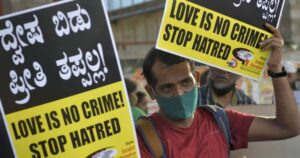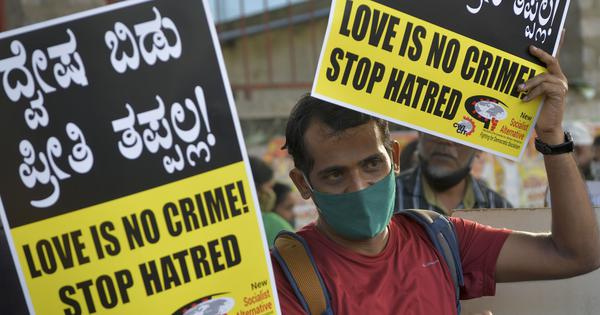

The rise of communal tensions and the socio-political dynamics in Uttar Pradesh under the BJP government has led to increasing discrimination and marginalization of the Muslim community. Faced with laws targeting interfaith relationships and allegations of love jihad, Muslims in the region find themselves under intense scrutiny, affecting their social standing and economic opportunities.
Political Landscape and Its Impact on Law Enforcement
Under the leadership of Yogi Adityanath, the BJP has implemented various measures proclaiming to enhance women’s safety, such as anti-Romeo squads and dedicated women’s helplines. However, these initiatives often serve a dual purpose, acting as tools for political gains while simultaneously placing undue pressure on law enforcement officers. The experience of Superintendent of Police (SP) Krishan Bishnoi in Sambhal illustrates this perfectly. While he attempted to navigate the complexities of policing in a communally charged atmosphere, he remained cautious about discussing sensitive issues like love jihad, acknowledging the political repercussions of his statements.
In his conversation, Bishnoi highlighted the disparity within the local Muslim population: “The Muslims who are rich, they’re very rich. Well off. Very well educated. But the rest…” His pause underscored the significant economic divide, complicating the societal dynamics in Sambhal. The political narrative of safeguarding women often overlooks these realities, further alienating marginalized communities.
Manipulation of Legal Frameworks
Since the introduction of laws aimed at preventing forced conversions, often labeled as laws against love jihad, the legal landscape has shifted dramatically. Cases are increasingly politicized, where accusations against Muslim youths can lead to severe social backlash based on community sentiments. A local law enforcement officer from Lucknow articulated the pressure felt when dealing with cases involving Hindu girls and Muslim boys, stating, “We have to be very strict. The woman’s side almost always triggers immediate political involvement.”
This tension creates a chilling environment where even consensual relationships can be criminalized. For instance, SI Bishnoi affirmed the common misconception where elopement is often labeled as kidnapping, particularly when families disapprove. This twist in legal interpretations further marginalizes Muslim youth, making it precarious to engage inter-culturally.
Societal Consequences and Risks
The volatile situation culminated in unrest during late 2024 when a court ordered an archaeological survey of the Shahi Jama Masjid in Sambhal, following demands that it might have been built over a pre-existing temple site. This action incited fears reminiscent of the Babri Masjid demolition in 1992, rekindling communal tensions that led to protests, injuries, and even fatalities. Local authorities deemed it necessary to conduct an “anti-encroachment drive” around the mosque, which further exacerbated the situation.
As tensions flare, the implication is clear: the Muslim community faces increased marginalization, not only socially but economically as well. The existential risks include loss of livelihoods, stunted growth in various sectors, and a pervasive atmosphere of fear where engaging in daily activities becomes fraught with peril.
Why It Matters
The ongoing discrimination against Muslims in India reflects the larger global challenges of minority rights amid rising populism. The socio-political climate in Uttar Pradesh reveals how local governance can perpetuate marginalization under the veneer of law and order. Understanding these dynamics is crucial for policymakers, social advocates, and international observers seeking to comprehend or act against systemic discrimination faced by religious minorities in increasingly polarized societies.
Frequently Asked Questions
What is Love Jihad in India?
Love jihad refers to a controversial term used to describe alleged campaigns by Muslim men to convert non-Muslim women under the pretext of love or marriage, often fueling communal tensions. Various Indian states have passed laws to curb this phenomenon, leading to legal complications and social implications.
How has the BJP government impacted Muslim communities?
The BJP government has introduced laws and policies that critics argue disproportionately affect Muslim communities, creating an environment of fear and mistrust. Political rhetoric framing Muslims as threats to societal norms has led to increased discrimination and marginalization.
What are the legal ramifications of interfaith relationships?
Interfaith relationships, particularly between Hindu women and Muslim men, can trigger legal action under controversial love jihad laws. Complaints can escalate into police investigations or FIRs, even when relationships are consensual, creating a legal minefield for those involved.
Why are recent archaeological surveys of mosques significant?
Archaeological surveys of mosques like the Shahi Jama Masjid highlight ongoing historical grievances and tensions surrounding identity and territory in India. They often rekindle fears of communal violence, as past events such as the Babri Masjid demolition illustrate the potential for violence arising from claims to religious sites.