
Summary
Israeli airstrikes have resulted in the deaths of at least eight Palestinians across the Gaza Strip amid ongoing hostilities, despite recent diplomatic efforts for a ceasefire. The violence has escalated even after a U.S.-backed roadmap was proposed to implement a ceasefire agreement reached last year.
Ongoing Violence and Casualties
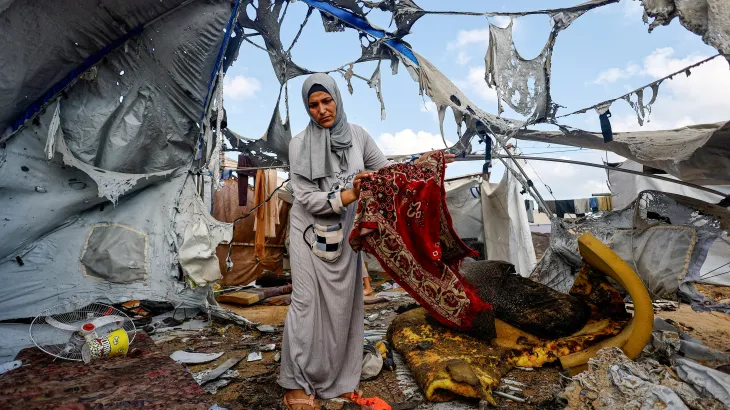
The Palestinian Civil Defence reported multiple fatalities following Israeli strikes on Sunday. Among the deceased were a man and woman who lost their lives in a helicopter strike targeting an apartment located south of Deir el-Balah. Additional casualties included three individuals in Khan Younis and a person in Gaza City’s Old City, further compounding the humanitarian crisis in the region.
This surge of violence underscores the fragility of any semblance of peace, with Israeli strikes continuing despite proclamations from U.S. President Donald Trump’s Board of Peace, which released a 15-point roadmap aimed at implementing the Gaza ceasefire. The ongoing military actions appear to contradict the diplomatic overtures being made.
Stalemate Between Hamas and Israel
Hamas has conditioned its compliance with the disarmament process on an unconditional cessation of Israeli military operations. An Israeli official reiterated that there would be no withdrawal from current positions unless Hamas engages in “genuine disarmament.” These statements point towards a deepening stalemate where neither side is willing to compromise, complicating international diplomatic efforts.
Israeli Prime Minister Benjamin Netanyahu has remained silent on the latest peace initiative; however, hardline elements within his government, including National Security Minister Itamar Ben-Gvir, have rejected the proposal outright, insisting that military actions against Hamas leaders must continue.
The Role of U.S. Diplomacy
Former Fatah official Mohammed Dahlan, who currently resides in the United Arab Emirates, reported that Jared Kushner, former President Trump’s son-in-law and advisor, is working with Israel to de-escalate tensions in Gaza. Despite ongoing discussions with Washington, Dahlan noted that the situation’s resolution rests on Israel ceasing its daily strikes, highlighting the limitations of U.S. mediation efforts.
Adding to the destruction, Israeli airstrikes destroyed a medical supply warehouse in central Gaza, creating a significant crater and exacerbating the humanitarian crisis in the region. These developments indicate a broader context in which military actions persist even as diplomatic resolutions are sought, leading to further suffering among civilians.
Why It Matters
The cycle of violence against Palestinians raises essential questions about the effectiveness of international diplomacy in conflict resolution. As the humanitarian situation in Gaza deteriorates, global leaders face increasing pressure to address the ongoing crisis. The continued military actions not only undermine diplomatic efforts but also contribute to rising tensions throughout the Middle East. For stakeholders and observers, understanding this context is crucial for navigating future diplomatic solutions and humanitarian efforts in the region.
Frequently Asked Questions
What led to the recent escalation of violence in Gaza?
The escalation is linked to ongoing Israeli airstrikes despite a proposed U.S. roadmap for a ceasefire, leading to significant casualties among Palestinians.
What conditions has Hamas set for disarmament?
Hamas has stated it will only hand over its weapons once Israel ceases military operations and withdraws its forces in accordance with the previous ceasefire agreement.
How has the international community responded to the conflict?
International responses have included peace proposals from the U.S., yet actual implementation on the ground remains questionable amid continued violence and military strikes.
What impact do these events have on civilian life in Gaza?
The ongoing violence has resulted in significant civilian casualties and destruction of infrastructure, worsening the humanitarian crisis and hindering access to essential medical supplies and services.