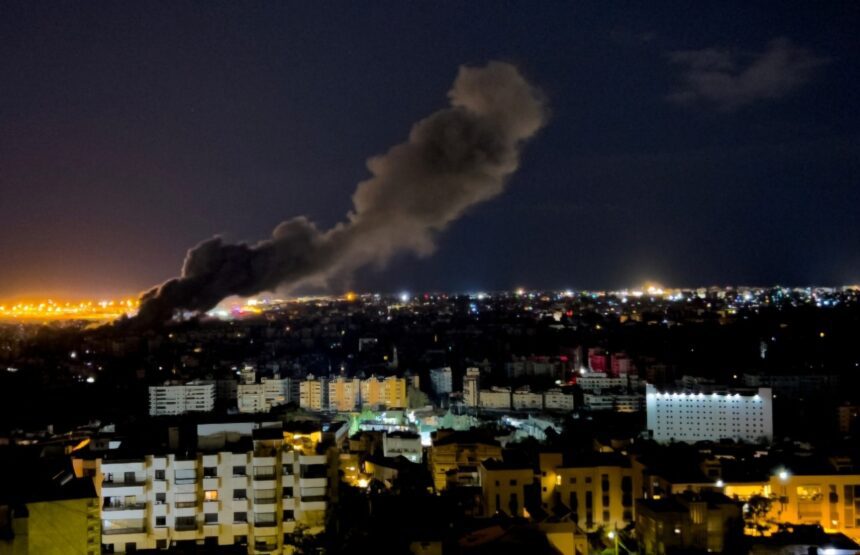

Escalating Violence in Southern Lebanon
An Israeli airstrike early Saturday resulted in the deaths of seven individuals and left three others wounded in southern Lebanon, as reported by Lebanon’s state-run National News Agency. This event marks one of the deadliest incidents in the region since the announcement of a framework agreement aimed at easing hostilities between Israel and Hezbollah.
Background of the Conflict
The recent airstrike highlights the fragile state of affairs in southern Lebanon, where tensions remain high despite diplomatic efforts. Following the framework agreement announced on June 26, which proposed a withdrawal of Israeli forces from southern Lebanon in exchange for Hezbollah’s disarmament, expectations arose for a reduction in hostilities. However, incidents like these indicate that significant challenges persist in achieving lasting peace.
The framework aimed to create a more stable environment; however, attacks such as the latest airstrike demonstrate the difficulties in maintaining peace. Paramedics reported ongoing rescue operations, sifting through the rubble for potential additional victims, underscoring the urgent humanitarian concerns in the aftermath of such conflicts.
Impact on Regional Stability
The recent violence not only has immediate humanitarian implications but also poses risks to broader regional stability. The ongoing military actions and clashes could potentially engender further retaliation from Hezbollah and possibly escalate tensions into a wider conflict involving neighboring countries. Such scenarios would jeopardize the fragile diplomatic progress made in recent months.
Additionally, the airstrike and its aftermath may influence the Israeli government’s strategy moving forward. Continued violence could prompt Israeli leadership to reassess their security measures and policies, impacting relations with both Palestinian groups and Lebanese factions. This situation places considerable stress on both Israeli and Lebanese civilians, caught in a cycle of fear and uncertainty.
International Repercussions
The incident also has implications for international diplomatic efforts aimed at establishing peace in the region. Major global powers have a stake in the stability of Lebanon and Israel, and incidents of this nature test the resolve of diplomatic negotiations. The United Nations and various peacekeeping entities monitor such situations closely, evaluating the potential need for renewed interventions to prevent further escalation.
Additionally, this airstrike can influence international public opinion and perceptions of the involved parties, structured through media narratives that highlight civilian suffering. These dynamics could pressure governments around the world to reconsider their stance towards military action in the region.
Why It Matters
Understanding these developments in southern Lebanon is crucial for several reasons. Firstly, the situation illustrates the complexities of Middle Eastern politics, specifically the challenges of achieving stability in regions affected by militant groups like Hezbollah. This airstrike is a reminder of how fragile peace can be and demonstrates the potential for renewed conflict that can have far-reaching consequences. Furthermore, the impact on civilian populations and humanitarian conditions can draw international attention, influencing policy-making and global responses to similar conflicts.
Frequently Asked Questions
What happened in the Israeli airstrike in southern Lebanon?
An Israeli airstrike hit southern Lebanon early Saturday, killing seven people and injuring three others, as reported by Lebanon’s National News Agency.
What agreement was recently made between Israel and Lebanon?
On June 26, a framework agreement was announced that proposed an Israeli withdrawal from southern Lebanon in exchange for disarmament of Hezbollah.
Why is this airstrike significant?
This airstrike is significant as it represents one of the deadliest incidents since the announcement of the diplomatic framework, highlighting ongoing tensions despite previous peace efforts.
What are the implications of this violence for the region?
The violence undermines stability, raises the possibility of retaliation, and complicates ongoing diplomatic negotiations, thereby affecting regional security dynamics and humanitarian conditions.