
Overview of Muslim-Friendly Tourism Assurance in Malaysia
The Islamic Tourism Centre (ITC) has clarified that the Muslim-Friendly Tourism and Hospitality Assurance and Recognition (MFAR) is designed to enhance, not replace, the Malaysia Halal Certification (SPHM). This initiative aims to address needs specific to Muslim travelers and ensure that tourism services meet defined Islamic principles.
Clarification on MFAR’s Scope and Purpose
Following a rise in discussions about the term “Muslim-friendly” on social media, ITC emphasized that MFAR is an official recognition program predicated on specific guidelines. It aims to ensure that various tourism products and services, such as accommodations, travel agencies, and wellness facilities, adhere to Muslim-friendly standards while upholding existing halal certification requirements.
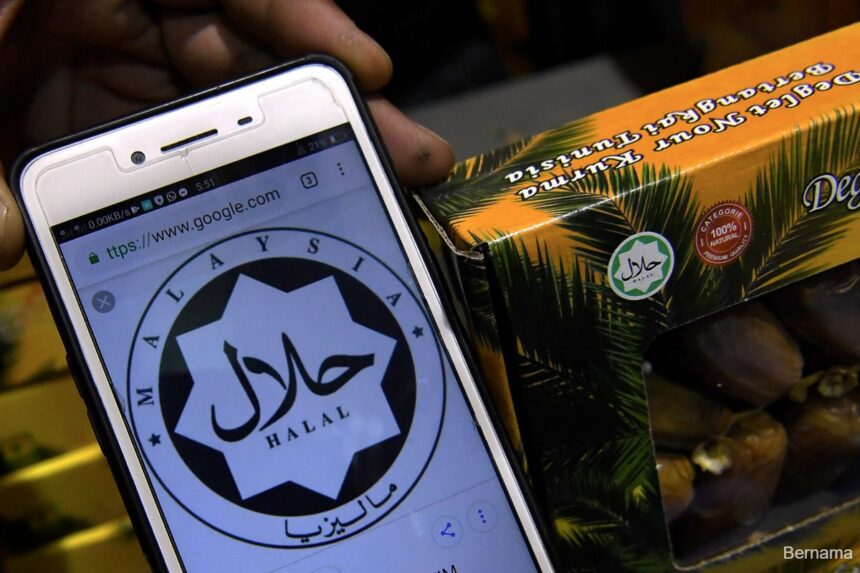
ITC’s statement elaborated that for establishments serving food and beverages, adherence to Malaysian halal certification is integral to the MFAR assessment process, which is executed in conjunction with the Department of Islamic Development Malaysia (Jakim). Importantly, MFAR’s objective is to create a tourism experience that aligns with Islamic values, offering prayer spaces and halal services, thereby making Muslim travelers feel welcomed and secure.
International Recognition and Impact of Muslim-Friendly Tourism
ITC noted that the MFAR concept has gained traction on an international level, being adopted in nations like Russia and Taiwan. This growth underscores Malaysia’s dedication to being a global leader in Muslim-friendly tourism, which has culminated in the country being recognized as the world’s top destination for this segment for eleven consecutive years. By promoting Muslim-Friendly Tourism and Hospitality (MFTH), Malaysia aims to sustain its status and continue attracting Muslim travelers worldwide.
Why It Matters
The establishment of MFAR is significant as it represents a meticulous approach to understanding and catering to the unique requirements of Muslim travelers. This initiative is essential for Malaysia’s tourism industry, which is increasingly reliant on attracting diverse groups of travelers. By adhering to both halal certification and MFAR guidelines, establishments not only comply with religious mandates but also ensure a broader appeal in an ever-competitive global tourism market. The positive reinforcement of Malaysia’s image as a safe and accommodating destination for Muslim tourists enhances its economic prospects and sets an important precedent for other countries looking to tap into this demographic. Furthermore, as Muslim populations grow globally, the need for personalized services that respect religious practices becomes all the more critical.
Frequently Asked Questions
What does MFAR stand for?
MFAR stands for Muslim-Friendly Tourism and Hospitality Assurance and Recognition, a program developed by the Islamic Tourism Centre to enhance tourism offerings for Muslim travelers in Malaysia.
How does MFAR relate to Malaysia Halal Certification?
MFAR complements the Malaysia Halal Certification by providing additional recognition for tourism services and products that specifically cater to Muslim traveler needs without altering existing halal certification standards.
Which sectors are covered by the MFAR program?
The MFAR program encompasses various sectors, including tourist accommodations, travel agencies, spa and wellness facilities, and other services within the tourism and hospitality ecosystem.
Has MFAR been recognized internationally?
Yes, the MFAR approach has gained international recognition and has been adopted by several other destinations, such as Russia and Taiwan, showcasing its effectiveness beyond Malaysia.