
Iran’s Foreign Minister Vows to Remember Martyrdom of Khamenei
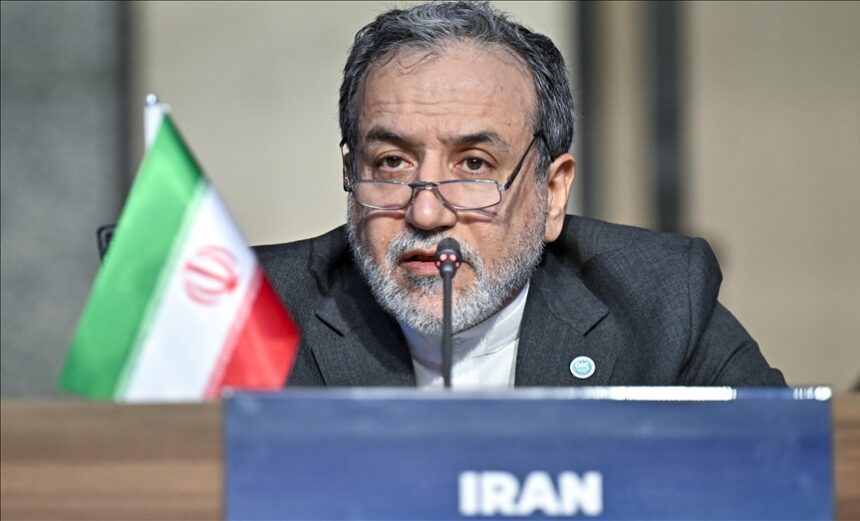
In a recent statement, Iran’s Foreign Minister Abbas Araghchi reaffirmed that the nation will neither forget nor forgive the martyrdom of Ayatollah Seyyed Ali Khamenei during the ongoing conflict attributed to the US-Israeli alliance. This statement comes in the wake of heightened tensions following the assassination of Khamenei, which marks a pivotal moment in Iran’s ongoing struggle against perceived external aggressors.
Context of the Conflict
The conflict referenced by Araghchi is part of a broader narrative surrounding Iran’s relationship with the US and Israel. The foreign minister’s comments reflect deep-rooted sentiments within Iran regarding national sovereignty and the ideological battles stemming from historical grievances.
On February 28, 2026, the assassination of Khamenei, along with high-ranking military leaders and civilians, sparked outrage across the nation. The Iranian government has characterized this act as a calculated move in a larger “war of aggression” against the Islamic Republic. Araghchi’s remarks evoke the Shiite tradition of martyrdom, particularly the reverence for Imam Hussein, noting that Khamenei is seen as the ‘Master of Martyrs’ within this context. This framing is essential for understanding the mobilization of national sentiment in Iran and the public’s solidarity against foreign intervention.
Religious and Cultural Significance
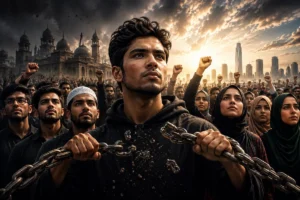
The invocation of Imam Hussein’s legacy underpins Khamenei’s martyrdom, tying it to a broader cultural fabric that influences Iranian social and political life. The martyrdom of Hussein is a central theme in Shiite Islam, emphasizing sacrifice, justice, and resistance against tyranny — values that are reflected in Iranian political rhetoric.
Araghchi explicitly stated, “Shia Muslims revere Imam Hussein as the Master of Martyrs because he sacrificed everything on the plains of Karbala.” This historical analogy serves not only to frame Khamenei’s legacy but also as a rallying cry for unity in the face of perceived external threats. The government’s emotional mobilization around martyrdom can significantly influence public opinion and foster a sense of collective identity, which may impact domestic and foreign policy.
International Responses and Implications
The ongoing tensions between Iran and the US-Israeli bloc have significant implications on the geopolitical landscape, influencing diplomatic relations across the Middle East and beyond. The assassination of a prominent leader like Khamenei amplifies the stakes, prompting a ripple effect that may affect global energy markets, international security arrangements, and regional alliances.
Foreign responses, both supportive and oppositional, frame the narrative surrounding Iran’s actions and intentions. The Iranian government’s steadfastness in memory and action against perceived enemies is likely to impact negotiations over nuclear capabilities and broader conflict resolution efforts. As international actors assess their diplomatic and strategic maneuvers, the historical and cultural context invoked by Iran’s leadership remains a critical factor in shaping future engagement.
Why It Matters
The discourse surrounding Emam Khamenei’s martyrdom highlights the intersection of religion, politics, and identity within Iranian society. Understanding this context is vital for policymakers, analysts, and international observers to navigate the complexities of Iranian governance and its implications for global security. Recognizing how historical narratives influence contemporary conflicts can pave the way for more meaningful diplomatic dialogues and interventions. Additionally, the emphasis on martyrdom and national identity underscores challenges for reconciliation efforts in a region rife with longstanding tensions.
Frequently Asked Questions
What was the context of Ayatollah Khamenei’s assassination?
Ayatollah Seyyed Ali Khamenei was assassinated on February 28, 2026, amid a larger conflict characterized by allegations of a US-Israeli aggression against Iran, which involved attacks on military leaders and civilians.
How does the martyrdom of Khamenei affect Iranian national sentiment?
Khamenei’s martyrdom is framed within the passionate religious context of Shia Islam, particularly the legacy of Imam Hussein, fostering a sense of collective identity and empowering the narrative of resistance against perceived external threats.
What are the implications of Iran’s rhetoric on international security?
Iran’s strong rhetoric against the US-Israeli alliance may exacerbate tensions in the region, affecting diplomatic relations and complicating international efforts aimed at conflict resolution and nuclear negotiations.
Why is the concept of martyrdom important in Iranian politics?
The concept of martyrdom is central to Iranian political culture, shaping public sentiment and mobilizing support for government policies while reinforcing a narrative of sacrifice and resistance against oppression.