
Summary
The Tarai-Madhesh region of Nepal is witnessing an alarming rise in Hindu-Muslim tensions, fueled by the influence of India’s Hindu nationalist groups, particularly the Rashtriya Swayamsevak Sangh (RSS). Recent violent incidents and the politicization of religious identities suggest a growing risk of communal conflict, challenging the secular framework established in Nepal’s constitution.
Emerging Communal Conflicts
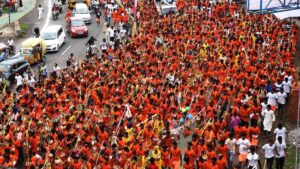
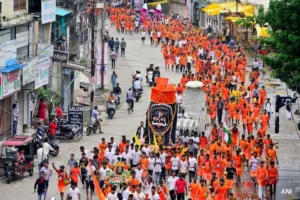
Traditionally, religiously charged violence was rare in Nepal, but this trend is changing. The recent clashes in Sunsari district, where four Nepali youths were killed during protests against a Hindu procession, underscore this shift. The immediate cause was the use of loud music during the procession, which incited local Muslim protests. Local grievances, such as remaining symbols of the Islamic festival Muharram, only exacerbated tensions. Newspapers have reported at least 17 incidents of similar discord in the Tarai region over the past eight years.
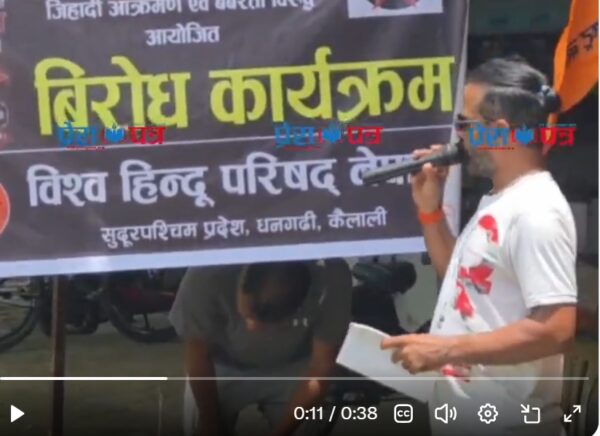
The aftermath of these events illustrates how deeply religious identities have become politicized in recent years. As Nepali Hindus increasingly embrace public displays of religious identity, tensions rise, with saffron flags representing Hindu identity being met with green pennants from the Muslim community. This shift reflects a broader geopolitical influence, primarily from India, where Hindu nationalism has taken a more aggressive stance since the 1990s.
The Political Landscape
Nepal adopted a secular constitution in 2007, yet calls for reinstating a Hindu state have resurfaced, particularly as significant sectors of the Nepali population identify as Hindu (approximately 81%). The shift in political rhetoric is partly echoed within Nepal, where major political parties face pressure to align more closely with Hindu sentiments, amid fears of marginalizing Muslim and other minority communities.
The 2015 constitution reiterated secularism while also implying a protective stance towards Hindu traditions, creating ambiguities that benefit the majority faith at the expense of minorities. Such vagueness puts all communities at risk, leading to feelings of marginalization among Muslims, who comprise just over 5% of the population. As political dynamics evolve, the inclination to leverage religion for electoral gain increases, fueling polarization.
Government Response and the Need for Harmony
The response from the Nepali government to recent violence has raised concerns about its efficacy in managing communal tensions. Prime Minister Balendra Shah’s initial reluctance to address outbreaks of violence allowed unrest to escalate, revealing a lack of preparedness to maintain communal harmony. It was only after significant unrest that Shah publicly appealed for peace, a delayed reaction that highlights the precarious situation in the region.
The need for a united front against communal violence is underscored by the historical precedent in Nepal, where political parties have previously set aside differences for the greater good. However, given the growing politicization of faith, the likelihood of compromise diminishes. Nepal’s model of secularism and political cooperation could serve as a buffer against rising tensions if firmly upheld by political leaders and communities alike.
Why It Matters
The unfolding situation in Nepal provides a critical lens through which to examine the broader implications of religious identity in politics. For the global community, particularly those involved in the tech industry, the rise of such tensions can serve as a cautionary tale about the intersection of cultural identity and political agendas. It raises questions about the responsibilities of governments to protect minority rights, the implications for regional stability, and the role of technology and social media in either exacerbating or mitigating conflict.
Frequently Asked Questions
What caused the recent violence in Nepal’s Tarai-Madhesh region?
The violence was sparked by clashes between police and local youths during a Hindu procession that included loud music, which was protested by local Muslims. Tensions intensified over longstanding grievances regarding religious symbols and identity.
How has Hindu nationalism affected relations between Hindus and Muslims in Nepal?
The influence of Hindu nationalist groups, particularly from India, has led to a growing politicization of religious identity in Nepal. This has resulted in increased public displays of Hindu identity, often provoking reactions from the Muslim community and enhancing communal tensions.
What is the composition of Nepal’s population in terms of religion?
Approximately 81% of Nepal’s population identify as Hindu, while Muslims constitute just over 5% of the population. The religious demographic significantly influences political narratives and community relations.
What measures can be taken to maintain communal harmony in Nepal?
To promote lasting harmony, there must be a political consensus favoring the separation of religion and state, commitment from political parties not to campaign on religious lines, and greater representation of minority groups in governance.