
The current narrative surrounding India’s history and its Muslim population reflects broader social tensions, particularly as the ruling Bharatiya Janata Party (BJP) and affiliates like the Rashtriya Swayamsevak Sangh (RSS) assert a Hindutva interpretation. This framing risks marginalizing Muslims from the national narrative, transforming historical conquests into contemporary social exclusion.
The Shifting Historical Narrative
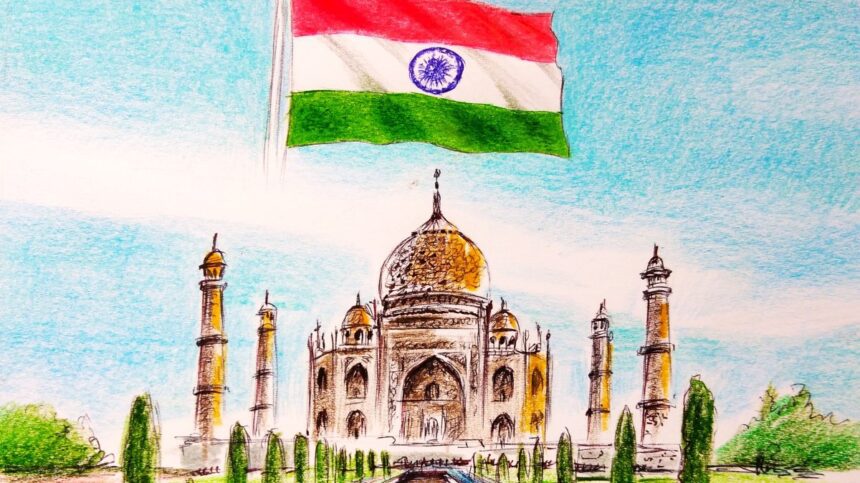
Shashi Tharoor, an Indian National Congress lawmaker, recently emphasized the need to rethink how India’s past is taught. While speaking at a conference, he pointed out that Islam’s arrival in India was predominantly through trade and cultural exchanges rather than violent conquests. He referenced significant architectural contributions such as the Qutb Complex and the Taj Mahal as manifestations of a “civilization in conversation with itself.” This viewpoint stands in stark contrast to the Hindutva narrative that primarily views Muslim history through the lens of invasion and conquest.
The Impact of Historical Narratives on Muslim Identity
The narrative promoted by the RSS characterizes Muslims predominantly as descendants of invaders, a perspective deeply rooted in historical events yet misapplied to contemporary society. This transformation of historical description into a social label results in a profound mischaracterization of millions of individuals who live in India today. When Muslims are seen primarily as the outcome of a historical conflict, their diverse roles as farmers, artisans, and fellow citizens are overshadowed. This creates a cultural divide, where citizenship is legally assured yet culturally questioned, raising the recurrent question: “Where did you come from?”
Social Boundaries and Marginalization
The Hindutva narrative implicitly builds social boundaries that dictate who belongs in the national story. Majoritarian nationalisms often render the majority’s religious practices invisible, rebranding them as cultural norms while religious practices of minorities remain marked and differentiated. This dynamic results in one community being perceived as a natural component of India’s cultural heritage, while others—like Muslims—are seen as separate entities within the nation. As a result, Muslims are rendered as “permanent guests” rather than full participants in the national narrative.
Why It Matters
The implications of these narratives are profound, affecting social cohesion within India and influencing its global standing. As different communities reevaluate their historical contributions and claim to citizenship, the potential for conflict increases. Understanding these dynamics is crucial for not just historians, but also policymakers and social theorists who grapple with issues of identity, belonging, and nationalism in a multicultural framework. The persistent marginalization of specific communities jeopardizes broader societal harmony and puts India’s democratic principles at risk.
Frequently Asked Questions
What is the Hindutva narrative regarding Muslims in India?
The Hindutva narrative primarily frames Muslims as descendants of historical invaders, thereby creating a perception that views them as outsiders within the Indian national identity.
How does this narrative affect Muslim citizens in India today?
This historical framing leads to cultural marginalization, where Muslim citizens may experience social exclusion despite having legal citizenship, resulting in a persistent questioning of their belonging in society.
What are the implications of this divide for Indian society?
The divide promotes polarization, undermining social cohesion and increasing the likelihood of communal tensions, thereby destabilizing the democratic fabric of the country.
How does historical discourse influence contemporary politics in India?
Historical narratives not only shape cultural perceptions but also have a direct impact on political policies, as political parties use these frameworks to consolidate support or marginalize certain groups.