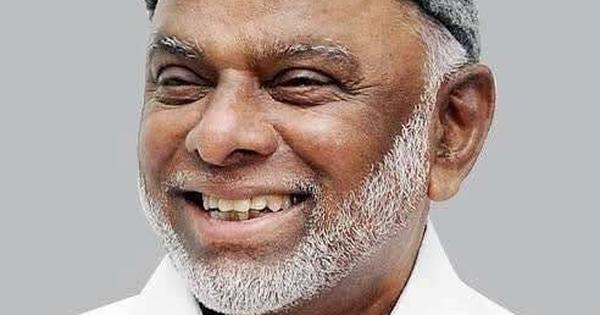

Indian Union Muslim League Ends Longstanding Alliance with DMK
The Indian Union Muslim League (IUML) severed its long-standing alliance with the Dravida Munnetra Kazhagam (DMK) after nearly six decades, a decision that illustrates the shifting political landscape in Tamil Nadu following the recent Assembly elections. IUML’s chief Kader Mohideen expressed a mixture of disappointment and resolve, as the party chose to support the Tamilaga Vettri Kazhagam (TVK) instead.
Background on the Alliance Shift
At a general council meeting, IUML made the formal decision to end its partnership with DMK, which has been a significant player in Tamil Nadu politics. Historically, the alliance facilitated cooperation between minority and regional parties, particularly focusing on the welfare of minorities in the state. In the recent Tamil Nadu Assembly elections, IUML won two seats but contested as part of the DMK-led coalition, highlighting the irony of its current shift.
Mohideen noted that the IUML had initially worked towards the success of the “Dravidian Model government,” backing DMK leader MK Stalin for a second consecutive term. However, the unexpected triumph of the TVK, led by Chief Minister C Joseph Vijay, forced a reevaluation of political allegiances. The TVK emerged as the single-largest party in the Assembly elections but failed to secure an outright majority.
The Implications for Muslim Representation
This political realignment raises important questions about the representation of Muslims in Tamil Nadu. The IUML’s departure from DMK could indicate a growing sense of urgency among Muslim representatives to seek new alliances in a political climate that increasingly marginalizes minorities. Mohideen’s comments regarding the necessity of supporting TVK — to avoid Governor’s Rule, which he suggested could lead to indirect Bharatiya Janata Party (BJP) governance — further underscore concerns about potential erosion of minority rights under a dominant Hindu nationalist regime.
As the IUML aligns with parties like TVK and collaborates with others, including the Congress and various Communist factions, this suggests a potential recalibration of minority political strategies. The future landscape may see a more fragmented yet necessity-driven coalition among minorities seeking to shore up their influence amidst changing political tides.
The Wider Political Context in Tamil Nadu
The political dynamics in Tamil Nadu, particularly concerning Muslim representation, are increasingly significant. With the removal of the IUML from the DMK’s coalition, the historical protection offered to minorities may be further compromised. The IUML has traditionally positioned itself as a defender of Muslim rights, a role that might be challenged by the need to align with various parties that may have different priorities.
In the current environment, characterized by the rise of regional parties like TVK, and the lingering influence of national parties like BJP, Tamil Nadu’s political fabric is evolving. As parties navigate these tumultuous waters, the challenge will be to maintain a commitment to inclusive governance, particularly concerning the state’s significant Muslim population.
Why It Matters
The IUML’s exit from the DMK alliance has broader implications for Tamil Nadu’s political landscape and the role of minorities within it. As alliances shift and power dynamics evolve, the ability of minority communities to secure representation and advocate for their rights becomes paramount. This situation serves as a litmus test for the health of democracy in the state and highlights the potential for increased social exclusion and marginalization of Muslim communities. Observers must remain vigilant about how these political changes influence governance, policy decisions, and societal attitudes toward minorities.
Frequently Asked Questions
What prompted the IUML to end its alliance with the DMK?
The IUML’s decision stemmed from their recent electoral performance and a desire to align with the Tamilaga Vettri Kazhagam, which emerged as the single-largest party in the Assembly elections.
How did the Tamil Nadu Assembly elections impact Muslim representation?
The elections led to a significant shift in political alliances, raising concerns about the future representation and rights of Muslim communities within the new coalition framework.
What are the potential consequences of the IUML’s new alliance with TVK?
The alliance with TVK may either enhance or hinder the IUML’s ability to advocate for minority issues, depending on the TVK’s political priorities and governance approach.
Is there a risk of increased marginalization of Muslims in Tamil Nadu?
With the shifting political landscape and the influence of parties like the BJP, there is a concern that the rights and voices of Muslim communities may be sidelined or marginalized in future governance strategies.