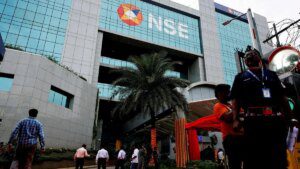

Market Summary
The Indian stock market exhibited mixed trends on August 4, 2026, with the Sensex opening at ₹79,132.97, initially rising but later trading at ₹78,774.73, marking a modest gain of 0.17%. In contrast, the Nifty 50 opened lower at 24,703.90 and was trading at 24,599.05, reflecting a decrease of 0.71%. The day started cautiously due to a few major sectors showing losses, although small-cap stocks managed modest gains.
Current Market Performance
The Sensex, which had seen a robust close at ₹78,639.03 the previous day, started with an optimistic outlook only to face headwinds as the session progressed. Despite the initial enthusiasm, where the Sensex was up by ₹135.70, the overall trend showed that 15 out of 16 major sectors recorded losses.
The broader market, however, displayed resilience, with small-cap stocks rising by 0.4%. This divergence underscores the ongoing volatility in the market, which is a common feature observed amid earnings season.
Global Influences and Sector Highlights
Internationally, the Dow Jones Industrial Average surged to a record high of 53,178, buoyed by positive manufacturing data and reduced geopolitical tensions between the U.S. and Iran. However, this momentum did not carry over to Asian markets; specifically, Japan’s Nikkei 225 saw a decline of over 0.5%, and South Korea’s Kospi slipped by more than 1%.
In the domestic market, the focus was also on significant corporate movements. Shares of the Life Insurance Corporation plummeted nearly 8.9% to its lowest price in four months after the government announced a stake sale at a discount. Additionally, the healthcare sector saw Cipla’s subsidiary, InvaGen, receive positive news regarding its FDA pre-approval, though shares fell by 1% post-announcement, showcasing investor caution amid the earnings influx.
What This Means
The current state of the markets portrays a complex landscape for investors. With mixed signals from international markets and domestic sectors in flux, investors must remain observant. The ongoing adjustments in the financial policies, particularly concerning the RBI’s forthcoming decisions, are critical as they will guide market liquidity and stability. The report of LIC’s massive stake sale also emphasizes the government’s strategy to optimize asset management while potentially heightening volatility in insurance stocks.
Frequently Asked Questions
What is currently affecting the Indian stock market?
The market is experiencing mixed trends influenced by global market performances, corporate earnings reports, and recent government announcements regarding stake sales, particularly in major companies like LIC.
What sectors are showing significant movement today?
Most major sectors suffered losses, notably in the banking and insurance spaces. However, small-cap stocks have demonstrated resilience with a slight rise amidst the broader downturn.
How did global markets impact Indian stocks?
While U.S. markets reached record highs, Asian markets, including Japan and South Korea, posted declines, which influenced investor sentiment back home, resulting in a cautious start for Indian stocks.
What are analysts watching for in the upcoming weeks?
Analysts will be closely monitoring the Reserve Bank of India’s policy decisions as they could significantly impact market liquidity, interest rates, and overall economic sentiment, especially in light of high inflation and the ongoing geopolitical issues affecting commodity prices.