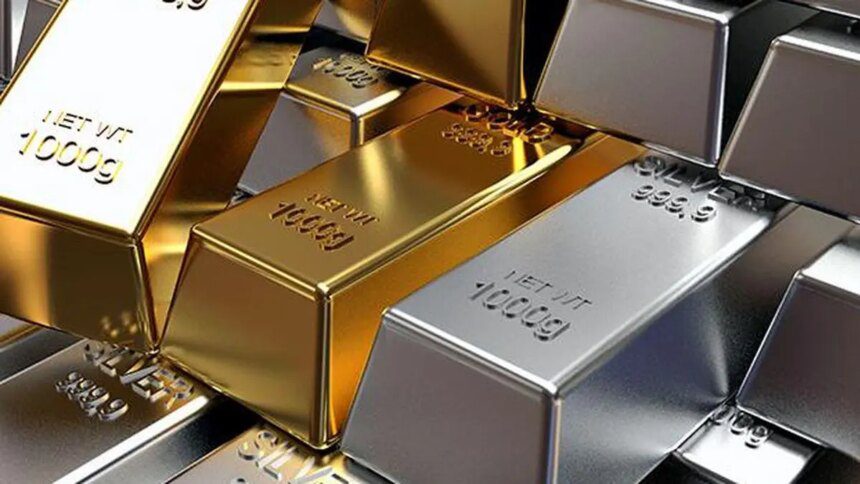

India has implemented stricter regulations on silver imports by including grain and powder forms in the list of restricted categories, requiring prior valid import authorization. This move comes as the country, the world’s largest consumer of silver, aims to control shipments and alleviate pressure on the Indian rupee.
According to a government order issued on Tuesday, imports of silver in the form of grains, powder, and other equivalent forms with 99.9% purity are now restricted. Importers must secure a valid import authorization from the Directorate General of Foreign Trade (DGFT) to bring in these products.
In May, India had already classified imports of silver bars and all semi-manufactured forms with 99.9% purity as restricted. Additionally, the government raised import tariffs on both gold and silver from 6% to 15% to curb overseas purchases and help manage foreign exchange reserves impacted by rising oil prices.
In the financial year that ended in March 2026, India recorded a staggering $12 billion in silver imports, a significant increase from $4.8 billion the previous year. April saw silver imports surge by 157% year-over-year to $411 million, as per trade ministry data.
A bullion dealer based in Mumbai noted the difficulties posed by the new regulations: “The government has made it harder for the bullion industry to bring in silver. Importers now need approval first, and there is no clear idea if they will get it or how long it will take.”
Silver serves multiple purposes in India, including jewelry, coins, bars, and various industrial applications such as solar energy and electronics. Over the past year, the demand for silver has been predominantly driven by investment rather than traditional jewelry and silverware consumption, reflected in record inflows into silver exchange-traded funds (ETFs).
India mainly sources its silver from the United Arab Emirates, Britain, and China.
Published on June 2, 2026