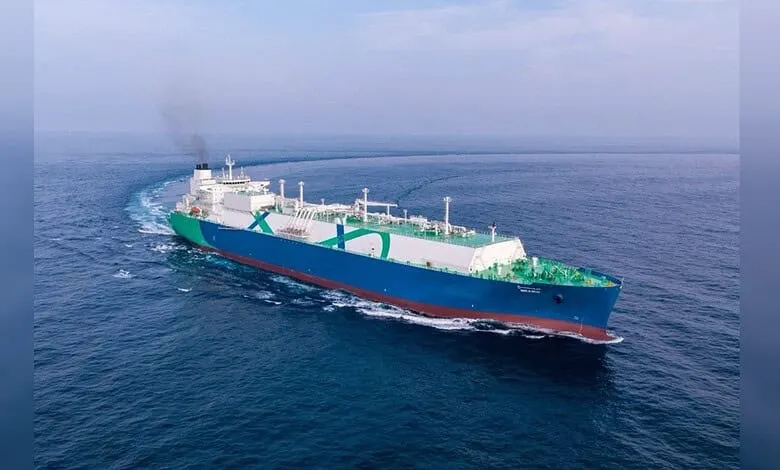

The LNG tanker ‘Disha’ has made a significant delivery to India’s energy supply chain, arriving at Dahej Port in Gujarat with 62,370 metric tonnes of liquefied natural gas (LNG) after navigating the strategically vital Strait of Hormuz amidst heightened global tensions. The successful transit comes at a crucial time for India’s energy security, following an extended wait for the vessel in the Gulf region.
Successful Arrival at Dahej Port
On June 19, at around 7:32 a.m., the ‘Disha’ docked at the Dahej terminal, recognized as India’s largest LNG import hub. This port plays a critical role in the distribution of natural gas across the country. The LNG was sourced from Qatar’s Ras Laffan LNG terminal, adding 62,370 metric tonnes of gas to India’s energy reserves during a period of sensitivity in global energy markets.
Geopolitical Context and Risks
The vessel’s passage through the Strait of Hormuz, a crucial chokepoint for global oil and gas shipments, is significant given the ongoing geopolitical tensions in the region, particularly between Iran and the United States. The tanker had been stationed in the Gulf for over three months due to security concerns, highlighting the risks that energy transporters face in this vital maritime corridor.
The presence of the tanker in the Gulf for such a prolonged duration raises broader implications for international shipping and energy security, particularly for nations like India heavily reliant on stable energy imports. The successful arrival of the Disha eliminates some immediate concerns over the security of maritime routes essential for the nation’s energy security.
Importance for India’s Energy Supply Chain
The delivery of LNG by the Disha is expected to enhance the stability of energy supplies for both industrial and domestic consumption in India. In the context of recent geopolitical challenges, stakeholders across India’s energy sector view this as a crucial development for maintaining the supply chain resilience. Petronet LNG Limited, which chartered the vessel, acknowledges the importance of such timely deliveries in reinforcing the country’s energy frame, especially amid fluctuating global energy scenarios.
This successful delivery not only underscores the role of reliable maritime routes but also highlights the critical interplay between energy security, global geopolitics, and domestic energy needs. The vessel was operated under a consortium led by the Shipping Corporation of India, demonstrating the strategic partnerships that facilitate energy imports.
Why It Matters
The arrival of the Disha at Dahej Port underscores the intricate relationship between geopolitics and energy security, especially for nations like India that are dependent on imports to meet energy demands. An uninterrupted supply of LNG is vital for ensuring stable energy markets at a time when international relations can frequently impact availability and pricing. This delivery represents not just a logistical success but also a reinforcement of India’s commitment to energy diversification amidst evolving global tensions.
Frequently Asked Questions
What is the significance of the Strait of Hormuz for global energy trade?
The Strait of Hormuz is one of the world’s most important maritime chokepoints, controlling a substantial portion of global oil and gas shipments. Any disruption in this route can lead to significant fluctuations in energy prices and supply availability on a global scale.
What role does Petronet LNG Limited play in India’s energy supply?
Petronet LNG Limited is a key player in India’s natural gas import and distribution framework, facilitating the import of LNG to meet domestic energy needs and enhance the stability of the energy supply chain in the country.
Why was the Disha vessel delayed in the Gulf region?
The Disha was held in the Gulf region for over three months amid heightened geopolitical tensions, particularly between Iran and the United States, which raised concerns about the security of maritime routes vital for energy transport.
How does the arrival of Disha affect India’s energy landscape?
The arrival of Disha is expected to strengthen LNG availability in India, providing relief to energy stakeholders and supporting stable energy supplies for both industrial and domestic use during a sensitive period in global energy markets.