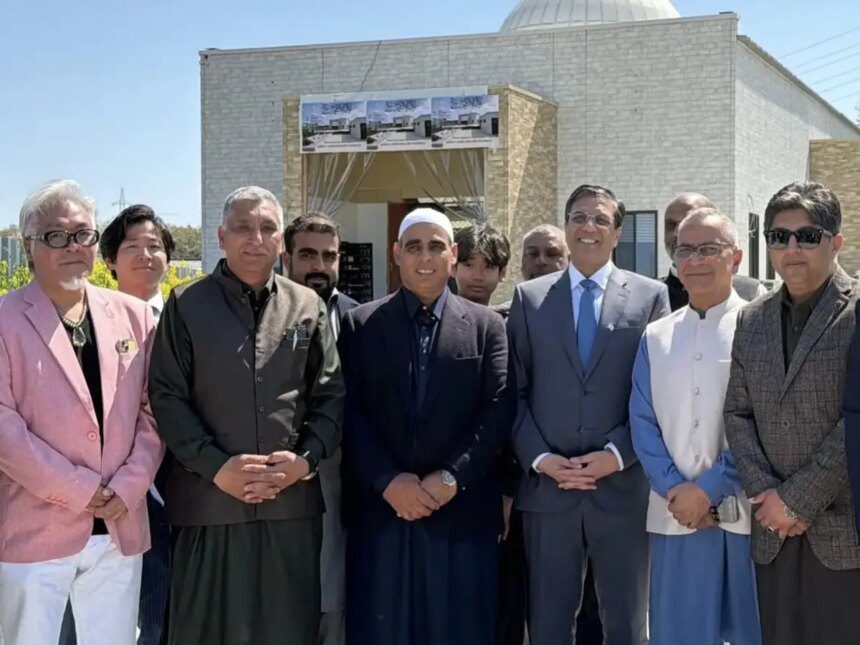

In a controversial incident, a mosque constructed by Pakistani expatriates in Kawagoe, Japan, has faced backlash for being built without the necessary permits, raising questions about compliance with local laws. The inauguration of the mosque, attended by Pakistan’s Ambassador to Japan, has further complicated matters as calls for its demolition have emerged from local authorities and residents.
The Controversial Mosque Construction
Pakistani nationals in Japan recently inaugurated a mosque in Kawagoe city, but concerns arose almost immediately regarding its legality. Local authorities stated that the mosque was built without specific permissions required under Japan’s City Planning Act. An official statement from Kawagoe City Hall clarified that the construction was in an urban development control area where such activities are generally prohibited unless proper approvals are secured.
This lack of compliance has led to increased local demands for the mosque to be demolished. Residents voiced their frustrations, fearing that the illegality of the structure could lead to greater complications within the neighborhood, thereby putting communal harmony on edge.
Embassy’s Response and Community Implications
The Pakistani embassy in Tokyo faced a challenging situation after the mosque’s illegality became public knowledge. They issued multiple statements indicating their dissociation from the project, asserting that the embassy supports full compliance with Japanese laws. In one such statement, the embassy urged the Pakistani community to adhere strictly to local regulations regarding the construction of places of worship.
Ambassador Abdul Hameed, who attended the mosque’s inauguration, claimed that he was led to believe that all necessary approvals were obtained, showcasing a troubling lapse in communication either from those responsible for the mosque’s construction or within the embassy itself. The embassy reiterated that they found their participation based on the understanding that local laws had been followed.
Local Government’s Next Steps
In light of the backlash, Kawagoe authorities are collaborating with relevant agencies to determine the next course of action regarding the mosque. The city council’s decision on whether to demolish the structure will be based on various factors, including community consultations and adequate explanations provided to local residents prior to construction.
This incident emphasizes the importance of community input in Japan, especially in urban developments. Proper communication channels and adherence to legal standards are crucial elements that contribute to maintaining harmony within diverse communities.
Why It Matters
The construction and subsequent legal issues surrounding the mosque in Kawagoe shed light on broader themes of cultural integration, compliance, and the dynamics between immigrant communities and local regulations. This incident can serve as a case study on the necessity of understanding and respecting local laws and social expectations, particularly in multicultural settings. It raises questions concerning how diaspora communities can engage in responsible development while preserving their cultural identity.
Frequently Asked Questions
What are the implications of building without permits in Japan?
Building without the required permits in Japan can lead to severe consequences including fines, forced demolitions, and legal action against those responsible for the construction.
Why is community consultation important in Japan?
Community consultation is crucial in Japan as it fosters trust and transparency, helping ensure that developments do not negatively impact existing neighborhoods and residents.
What steps can communities take to avoid similar issues?
Communities should establish clear communication with local authorities, perform due diligence to understand legal requirements, and engage in open dialogue with residents before initiating construction projects.
How can the Pakistani embassy assist its community in Japan?
The Pakistani embassy can assist by providing clear guidelines on legal and procedural obligations for construction, ensuring that the community is informed about local laws and encouraging compliance to prevent legal issues.