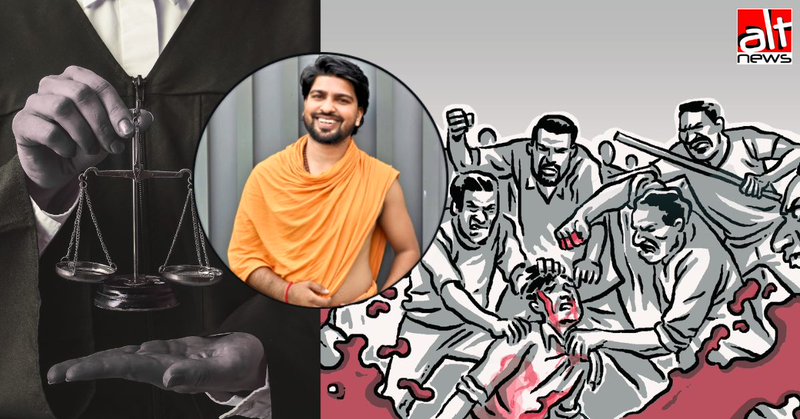

The recent conviction of 14 cow vigilantes for the murder of a Muslim truck driver has led to a wave of threats directed at the presiding judge, Tabassum Khan. Surat-based Hindutva activist Vishal Singh publicly issued rape threats against Judge Khan, showcasing the escalating communal tensions in India surrounding issues of cow protection and minority safety.
Background on the Conviction
On June 12, 2023, Judge Tabassum Khan sentenced 14 individuals to life imprisonment for their involvement in the lynching of a Muslim truck driver in Madhya Pradesh in 2022. This brutal incident, which was widely condemned, highlighted the dangers marginalized communities face from vigilante groups operating under the guise of cow protection. The cow has immense cultural significance in Hinduism, and the rise of cow vigilantism has resulted in numerous violent encounters with those accused of cow trafficking or slaughtering.
Threats Against the Judge
Following the sentencing, Vishal Singh’s threatening remarks against Judge Khan went viral, drawing significant attention on social media platforms. Singh’s threats are not isolated; they are part of a broader pattern of intimidation against legal authorities who make rulings perceived as unfavorable by extremist groups. The threats included a barrage of communal abuse, reflecting the toxic environment that judicial figures, particularly those from minority backgrounds, often navigate in India. In an atmosphere where dissenting voices are frequently silenced, such threats serve as a sobering reminder of the risks involved in upholding justice.
Reactions from the Public and Political Sphere
The reaction to the threats against Judge Khan has been mixed. While many citizens and human rights organizations have condemned the attacks, others within extreme nationalist circles have downplayed the severity of the threats or even supported them. The disparity in reactions underscores the challenges faced by minorities in India and the fragile state of law and order when it comes to issues of communal tension. Activists are urging the government to take legitimate threats seriously and ensure Judge Khan’s safety. Legal experts are calling for stronger protections for judges who face similar retaliatory threats for their impartial decisions.
Why This Matters
This situation is emblematic of the increasing polarization within India’s political landscape. The threats against Judge Khan represent not only a targeted attack on an individual but also a broader assault on the judiciary’s integrity and independence. In a democratic society, the ability of the judiciary to function unhindered is crucial for maintaining the rule of law. The intimidation of judges can have a chilling effect on legal proceedings and undermine public trust in the justice system. This case, thus, highlights the urgent need for safeguarding judicial independence amidst rising extremism in India.
Frequently Asked Questions
What was the background behind the conviction of the cow vigilantes?
The cow vigilantes were convicted in relation to the lynching of a Muslim truck driver in Madhya Pradesh in 2022, an incident that sparked nationwide outrage and raised concerns about communal violence and the safety of minorities in India.
Who issued threats against Judge Tabassum Khan?
The threats were issued by Vishal Singh, a Hindutva activist based in Surat, who made alarming comments regarding the judge following her verdict in the cow vigilante case.
How has the public reacted to these threats?
The public reaction has been polarized. While many have condemned the threats against Judge Khan, some extremist circles have minimized the seriousness of the situation, reflecting the broader communal divides in contemporary India.
What should be done to protect judges from such threats?
Legal experts advocate for stronger protections for judges, including security details and stricter penalties for those issuing threats. Additionally, there is a call for enhanced public awareness to support the independence of the judiciary.