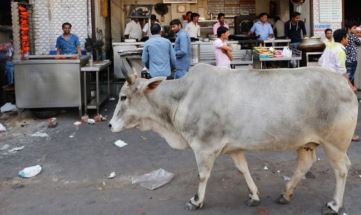

Summary of Recent Lynching Incident in West Bengal
A 52-year-old Muslim cattle handler, Montu Mia, was lynched by self-styled Hindu vigilantes in West Bengal, India, while transporting a cow from a local livestock market. This tragic incident highlights the broader issue of mob violence linked to cow protection groups, raising grave concerns about communal tensions and the safety of marginalized communities within India.
The Incident: Details and Context
Montu Mia was reported missing after he left Gosai’s Market in Cooch Behar district, where he had been hired to deliver a cow. His body was discovered under a bridge the next morning, prompting local fishermen and family members to launch a search after he failed to reach his destination. The family claims that he was ambushed and violently assaulted by vigilantes, leading to his death. Reports indicate that his body showed signs of severe brutality, including multiple injuries and indications that acid had been poured on his face and body.
The event is emblematic of a recurrent issue in India, where mob lynchings—often under the guise of cow protection—target those involved in the cattle trade, particularly from the Muslim community. According to human rights organizations, these incidents reflect a rising climate of intolerance and vigilante justice that has been allowed to flourish under the current political atmosphere.
Government Response and Investigation
The local police have registered a criminal case at Sitalkuchi Police Station and have launched an investigation into Montu’s death. Yet, as of now, no arrests have been made, and the identity of the attackers remains unknown. This lack of accountability illustrates a troubling trend where perpetrators of violence often evade justice, particularly when their actions are motivated by religious or communal hatred.
Montu’s family is calling for a comprehensive investigation and justice, echoing the sentiments of numerous human rights organizations advocating for an end to such violent acts. Despite calls for accountability, the government’s response has raised questions about its commitment to protecting vulnerable communities in a politically charged environment.
Wider Implications of Vigilante Violence
The lynching of Montu Mia is not an isolated incident but part of a disturbing pattern of increasing violence against marginalized communities in India. The phenomenon of “cow vigilantism” has surged in recent years, particularly since the inception of the ruling Bharatiya Janata Party (BJP) government, which many critics claim has fostered an environment where intolerance thrives.
The BJP has often been accused of encouraging sectarian sentiments that have led to rampant discrimination against Muslims and other minority groups. Recent studies reveal a correlation between political rhetoric and incidents of violence, underscoring how governmental policies may inadvertently fuel social exclusion and economic disenfranchisement for specific communities.
Why It Matters
This above incident and the issues surrounding it raise significant concerns regarding communal harmony, human rights, and the rule of law in India. The violence against marginalized groups not only threatens social stability but also undermines the principles of democracy and justice. For developers, businesses, and policymakers, understanding these dynamics is essential in fostering inclusive environments and mitigating risks associated with social unrest. The implications stretch beyond national borders, affecting India’s image globally and influencing international relations.
Frequently Asked Questions
What is cow vigilantism?
Cow vigilantism refers to acts of mob violence by self-styled guardians who claim to protect cows, which are considered sacred in Hinduism. Such actions often target individuals involved in the cattle trade, particularly from the Muslim community.
What was the outcome of the police investigation into Montu Mia’s death?
As of now, a criminal case has been registered, and an investigation is ongoing; however, no arrests have been made, and the attackers remain unidentified.
How does this incident reflect broader societal issues in India?
This incident illustrates the growing trend of communal violence against marginalized communities, particularly Muslims, under the current political climate, raising serious concerns about human rights and social justice.
What actions are human rights organizations taking in response to incidents like this?
Human rights organizations are advocating for accountability and justice for victims of mob violence, calling for government intervention to protect vulnerable communities and urging stricter laws against hate crimes.