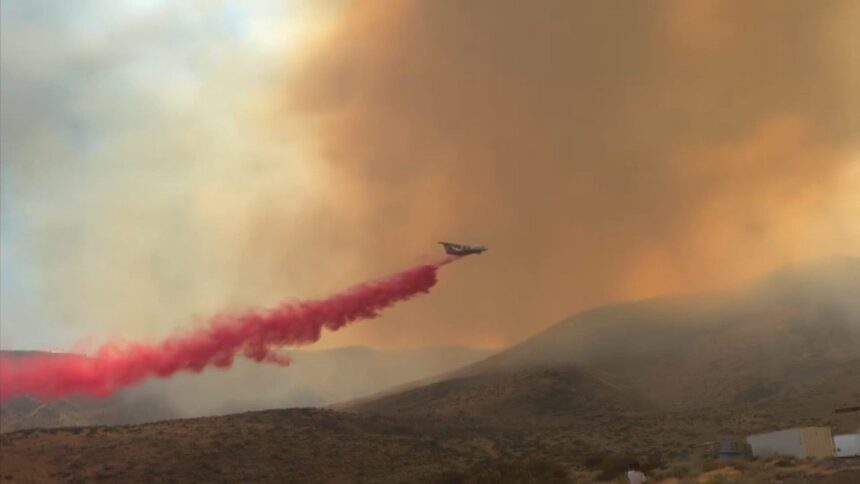

The Hawk Fire has devastated 15,085 acres in Washoe County, Nevada, with containment currently standing at 85%. As crews continue their efforts, evacuations have been downgraded, allowing many residents to return home, though safety precautions remain essential.
Fire Details and Current Efforts
Near Reno, Nevada, crews are battling the Hawk Fire that erupted on Saturday and intensified on Sunday. This wildfire has become the third largest incident in the region in a matter of weeks, all attributed to human activity. Firefighters are focusing on mopping up and strengthening containment lines, particularly in areas where conditions remain hazardous due to dead vegetation.
As of Wednesday, containment efforts have been successful, with minimal growth reported. Residents previously under “Evacuate Now” orders in certain parts of Washoe County are now allowed back home, although they are advised to remain cautious due to ongoing emergency operations.
Impact on Local Community
The Hawk Fire has had a profound impact on the local community, causing loss and disruption. Many residents faced hurried evacuations, resulting in heartbreaking stories such as that of Crystal Hallock, who lost her home for the second time in under a decade. Evacuation efforts were challenging, with many families forced to leave behind their belongings and pets. The emotional toll of this disaster is palpable, as individuals grapple with recovery and rebuilding.
Furthermore, resources are under strain as reports indicate an influx of visitors traveling to Reno for events like the upcoming Burning Man festival. Some locals have expressed concern over visitors potentially taking accommodations needed by evacuees.
Wildfire Preparedness and Resources
Given the increased risk of wildfires in the region, the National Interagency Fire Center warns of ongoing hazardous conditions. High winds and low humidity raise the threat level, which has implications even for those outside immediate fire zones. For individuals living in fire-prone areas, experts recommend creating a defensible space around homes and having an emergency kit ready.
Cal Fire advises homeowners to clear vegetation within at least 100 feet of their residences. Additionally, organizations like the Department of Homeland Security encourage assembling emergency kits with essential documents and supplies, along with signing up for local alert systems for timely information on emergencies.
Why This Is Trending
Interest in the Hawk Fire and the broader topic of wildfires is surging among Indian audiences due to alarming conditions across the American west, affecting not only safety but also travel and environmental concerns. As extreme weather patterns increasingly link to climate change, Indians are keen to understand global wildfire scenarios, particularly as many are familiar with devastating wildfires back home in states like Maharashtra and Himachal Pradesh. Furthermore, social media conversations highlighting personal stories and struggles of affected individuals resonate strongly with audiences in India, sparking discussions about disaster preparedness and community resilience.
Frequently Asked Questions
What caused the Hawk Fire?
The Hawk Fire has been attributed to human activity, although authorities have not yet confirmed whether it was intentionally set or accidental.
What are the containment efforts currently in place?
Fire crews are focusing on solidifying containment lines and patrolling affected areas, specifically targeting western sections with heavier fuels.
How can individuals prepare for wildfires?
Residents in wildfire-prone zones should create a defensible space around their homes, clear vegetation, and have emergency kits ready for rapid evacuation.
What should residents do after returning home?
Upon returning, residents should remain vigilant for ongoing emergency operations and comply with any local advisories for safety as recovery efforts continue in the area.