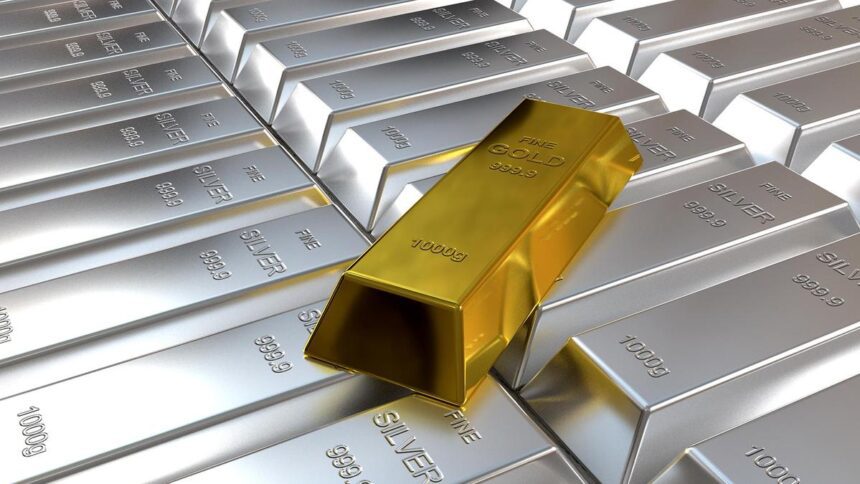

Gold prices are expected to reach new record highs by the end of 2026, with an average forecast of $6,000 per ounce according to JP Morgan Global Research. Despite recent fluctuations and reduced investor enthusiasm, ongoing geopolitical tensions and economic uncertainties are expected to sustain demand for gold as a safe-haven asset.
Current State of Gold Prices
Spot gold prices saw a significant rally at the beginning of 2026, only to face a cooling period in March, recently hitting an intra-year low of $4,170 per ounce. JP Morgan’s report highlights that the average price for gold is predicted to rise to $6,300 per ounce by the end of 2027, indicating a long-term bullish outlook despite current weaknesses.
Gold prices have been affected by various factors, including geopolitical developments and central bank policies. Market fluctuations reflect investor sentiment, with JP Morgan noting that gold is currently in a “technical no-man’s land,” hovering above the 200-day moving average of around $4,340/oz while being capped below the 50-day moving average at $4,730/oz.
Investor Sentiment and Central Bank Activities
The report emphasizes that investor enthusiasm for gold has moderated, attributed to economic uncertainties, such as rising energy-driven inflation. Greg Shearer, Head of Base and Precious Metals at JP Morgan, mentioned that worries about Federal Reserve actions could further dampen gold’s appeal in the short term. Nevertheless, the underlying conditions that have historically driven gold demand, such as inflation concerns and fiscal pressures in the U.S., remain intact.
Central banks have been significant players in the gold market, though recent official data indicated that they sold 129 tonnes of gold in the first quarter of 2026, with only 16 tonnes in net purchases reported. However, JP Morgan argues that alternative estimates suggest a stronger buying activity, with gold purchases possibly reaching 244 tonnes during the same period, indicating robust demand, particularly from China.
The Role of China in Gold Demand
China’s involvement in gold accumulation is particularly noteworthy. According to JP Morgan, net gold imports from China surged to 317 tonnes in the first quarter of 2026, nearly tripling compared to previous quarters. The People’s Bank of China’s increasing purchases, which have escalated from a one-tonne-per-month rate to up to eight tonnes per month, signify a strategic move to diversify reserves and strengthen the renminbi as a potential reserve currency. This trend could provide more stability in the global gold market.
What This Means
For Indian investors and consumers, the outlook for gold prices has significant implications. Gold is traditionally viewed as a safe investment in India, often seen as a hedge against inflation. As central banks, particularly in major economies like China, ramp up their gold purchases, it could lead to higher global gold prices. Furthermore, ongoing geopolitical tensions and U.S. fiscal pressures can cause volatility in gold prices, affecting buying decisions in India. With gold jewelry and investments being an integral part of Indian culture, rising prices may impact affordability and consumer purchasing behavior.
Frequently Asked Questions
What are the current gold prices in India?
Gold prices fluctuate daily based on global trends, demand, and local economic conditions. It’s essential to check reliable financial sources for the latest prices.
How does the Federal Reserve influence gold prices?
The Federal Reserve’s monetary policy, especially interest rate adjustments, affects gold prices. Higher interest rates typically lead to lower gold prices, as investors tend to favor interest-bearing assets.
What global factors affect gold prices?
Geopolitical tensions, inflation rates, and central bank policies significantly influence gold prices. Stability or volatility in these areas can lead to increased demand or reduced interest in gold.
Is gold a good investment in India?
Gold is traditionally regarded as a safe investment in India, primarily due to cultural practices and its role as a hedge against inflation. However, prospective investors should consider current market conditions and consult financial advisors.