Summary
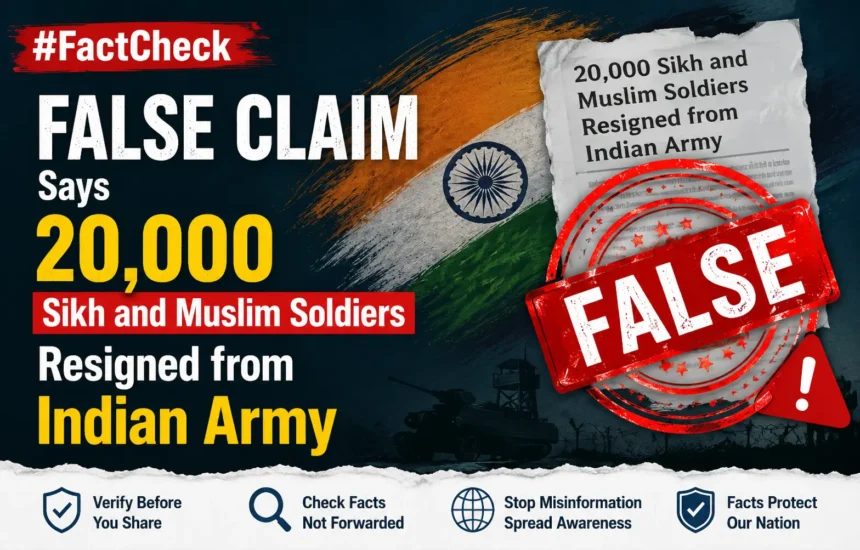
The impending Lok Sabha elections in India are shadowed by the rising threat of misinformation and disinformation, as highlighted in the World Economic Forum’s ‘Global Risks Report 2024’. This issue compounds the challenges of social discrimination and economic marginalization faced by Indian Muslims, especially under the frameworks of the BJP and associated Sangh Parivar ideology.
The Burden of Misinformation in India
India is on the brink of its general elections set for spring 2024, and findings from the World Economic Forum (WEF) indicate that it ranks highest in vulnerability to misinformation. The report underscores how disinformation—whether intentional or inadvertent—presents a formidable challenge to the democratic process. As misinformation spreads through various media platforms, public opinion swings toward distrust, shrouding factual narratives in an aura of suspicion.
In the context of Indian Muslims, the social fabric is already fraught with economic disparities and marginalization. The rise of misinformation can exacerbate prejudices, as the community has long been portrayed unfavorably in mainstream narratives. Political messaging often employs divisive rhetoric that fuels misinformation, creating an environment where trust in democratic institutions wanes. Such dynamics pave the way for further discrimination and societal tension, particularly affecting Muslims who feel more vulnerable amidst rising anti-Muslim sentiments.
The Global Implications of Misinformation
The ramifications of misinformation extend beyond individual nations. As billions around the world head to the polls—specifically those in democracies like India, Pakistan, and Mexico—the report warns of a potential erosion of legitimacy in elected governments. This trend poses risks not only of political unrest but also of civil strife fueled by misinformation.
For Indian Muslims, this means living amidst a highly polarized environment where their identity can become a weapon in electoral politics. As the report highlights, social media platforms play a crucial role in disseminating targeted disinformation, often aimed at minority communities. The personalization and targeting of disinformation tactics herald a new frontier in this battle, intensifying existing societal fractures.
In previously conducted elections, misinformation has been weaponized to incite violence, showcasing how fabricated narratives can escalate real-world consequences. Thus, as electoral participation peaks, the Muslim community finds itself at a higher risk, necessitating vigilance against misinformation engineered to manipulate perceptions.
Why It Matters
Understanding the issues surrounding misinformation is increasingly relevant not only for Indians but also for the global community that interacts with digital communication platforms. The potential erosion of trust in democratic institutions represents a fundamental challenge to stability in civil societies. For policymakers, the significance lies in addressing the underlying currents of discrimination exacerbated by misinformation.
For stakeholders in the tech industry, particularly in AI development, the emphasis on combating misinformation should be paramount. Creating tools able to identify disinformation and providing users with transparent, factual information is vital. With the potential targeting of vulnerable groups like Indian Muslims, a strategic and ethical approach to AI and information dissemination must be prioritized to prevent contributing to systemic societal harm.
Frequently Asked Questions
What is the impact of misinformation on elections in India?
Misinformation complicates the electoral landscape by fostering distrust in democratic processes, leading to the potential erosion of legitimacy for elected governments and aggravating social tensions.
How does misinformation affect Indian Muslims specifically?
Indian Muslims, already facing systemic discrimination, are more vulnerable to the repercussions of misinformation, which can perpetuate negative stereotypes and increase societal marginalization during electoral periods.
What strategies can combat misinformation in elections?
Strategies include promoting media literacy, verifying sources, cross-checking information, and utilizing official channels for credible updates, especially among communities at risk of disinformation.
Why should global audiences care about misinformation in India?
Misinformation is a global challenge that transcends borders. Its implications for India’s largest minority can provide insights into how misinformation undermines democratic integrity and societal coherence in multiple contexts worldwide.