
Recent discussions surrounding the commemoration of Muslim freedom fighters in India unveil a troubling pattern of erasure and marginalization. As the political landscape shifts under the BJP and its affiliates, a narrative emerges that not only obscures the contributions of these historical figures but also fosters an environment in which discrimination against Muslims has thrived.
The Erasure of Muslim Contributions to India’s Freedom Struggle
Salim Khan’s biographical compilation, Muslim Freedom Fighters of India, challenges the prevailing narrative about India’s independence by highlighting the often-forgotten contributions of Muslim figures. As the book uncovers, many Muslims were instrumental in India’s fight for freedom, yet their legacies have been systematically erased or diminished in popular discourse. This amnesia has broader implications, normalizing a landscape where ordinary Muslims are viewed as outsiders and insurgents—a notion that has alarming consequences in the current sociopolitical climate.
The Construction of Historical Narratives
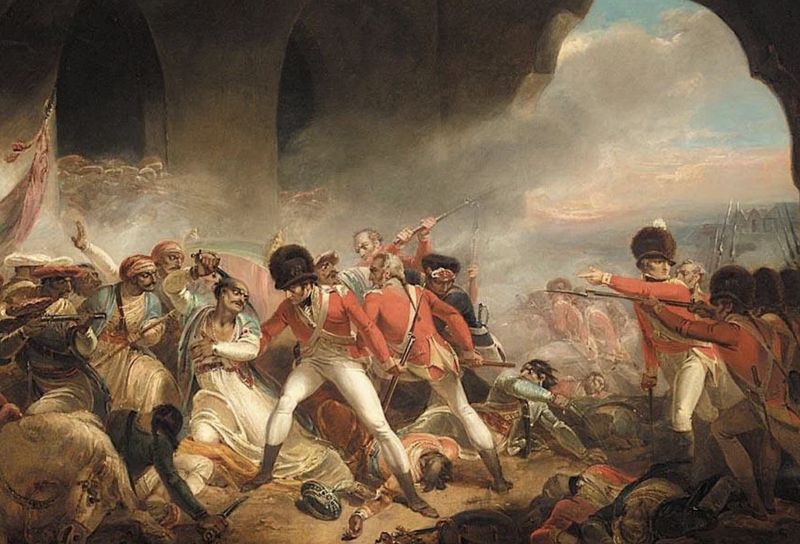
The shaping of historical narratives is seldom neutral; it reflects the power dynamics at play within society. Figures like Tipu Sultan, once celebrated leaders, are now embroiled in contemporary political controversies that question their legacy. The late playwright Girish Karnad’s assertions about Tipu’s potential veneration had the political climate been less divisive, highlights how historical figures are celebrated or vilified based on their communal identities. The BJP’s stance on such figures serves to reinforce a singular national narrative that marginalizes the contributions of Muslims, effectively rendering their resistance against colonialism invisible.
Consequences of Willful Amnesia
As historical figures become marginalized, the fabric of society faces serious repercussions. The systematic exclusion of Muslim contributions has skewed societal understanding of unity amid diversity—an essential ingredient for a stable democracy. The struggle against colonial power in the 19th and early 20th centuries showcased the unity between Hindus and Muslims. By obfuscating this unity, the ongoing narrative risks perpetuating divisions and further excludes Muslims from the collective memory of India. The absence of voices like Hasrat Mohani or the valiant Shahzada Firoz Shah leaves a significant void, encouraging the perception that Hindu and Muslim identities are inherently antagonistic.
Why It Matters
The consequences of historical erasure extend beyond cultural memory, affecting social cohesion and democratic integrity. Understanding these dynamics is critical not only for recognizing the complete narrative of India’s fight for independence but also for acknowledging the plurality integral to its identity. The silence surrounding Muslim freedom fighters encourages a distorted understanding of history and fosters an environment where discrimination can thrive. This recognition is essential for any movement toward reconciliation and healing within the diverse fabric of Indian society.
Frequently Asked Questions
What are the implications of erasing Muslim contributions from history?
The erasure of Muslim contributions leads to a distorted understanding of India’s historical narrative, perpetuating divisions while obscuring the collaborative efforts that characterized the fight for independence. It cultivates a societal narrative that normalizes discrimination and excludes significant portions of the population from the national identity.
How does this historical amnesia affect present-day politics?
Current political narratives often draw upon historical amnesia to consolidate power and perpetuate a singular viewpoint. This dynamic embeds biases into political discourse, impacting policy and social relations while marginalizing communities based on selective memory.
Are there efforts to reclaim these erased memories?
Publications like Salim Khan’s Muslim Freedom Fighters of India are part of broader efforts to reclaim lost narratives. Such works aim to restore visibility and promote an understanding of the collaborative history that entails both Hindu and Muslim contributions to Indian independence.
What role do political parties play in shaping historical narratives?
Political parties, particularly those in power, have substantial influence over which histories are celebrated or marginalized. The BJP’s narrative often seeks to elevate Hindu figures while sidelining Muslim contributions, thereby shaping public perception and attitudes toward different communities within India.