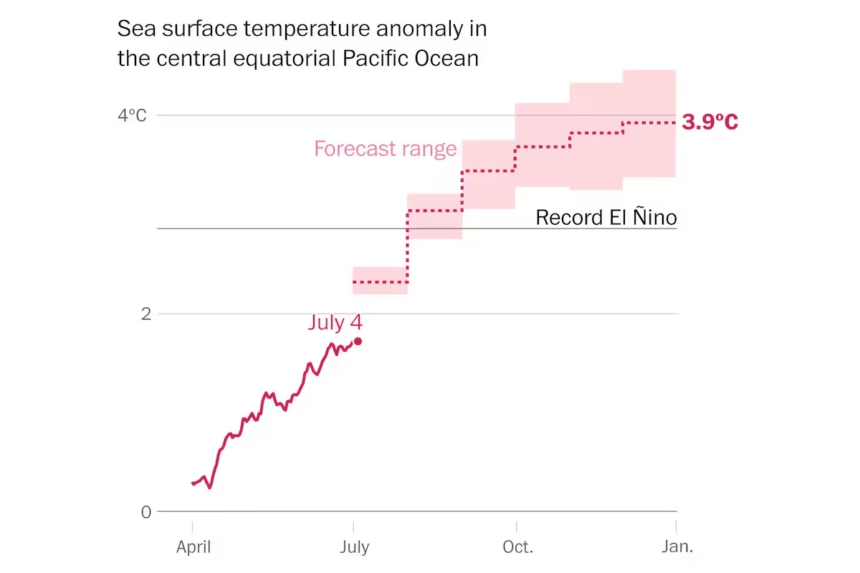

A significant El Niño event has developed in the Pacific Ocean, predicted to be one of the strongest recorded, potentially impacting global weather patterns and resulting in an unprecedented rise in temperatures. With sea surface temperatures already at record highs, the ramifications could include intensified droughts, floods, and heatwaves worldwide, including in India.
Understanding El Niño and Its Current Implications
El Niño is characterized by the natural warming of ocean waters in the eastern and central equatorial Pacific, which occurs every two to seven years. The latest data indicates that ocean temperatures in this key region have remained record warm, with forecasts suggesting they could peak at around 3.9 degrees Celsius (7.0 degrees Fahrenheit) above average by December—exceeding the intense El Niño of 2015. This extreme rise in temperatures could lead to serious weather anomalies across the globe, including in India.
Projected Weather Changes Due to El Niño
The ramifications of this El Niño are already stirring concern among meteorologists. Global temperatures are expected to escalate significantly, leading to heightened risks of drought in some regions and excessive rainfall in others. Around 1.4 billion people globally may experience significantly less rainfall than normal, while 757 million might face excessive precipitation. In India, states like Tamil Nadu and Kerala may find themselves grappling with unpredictable weather patterns, including stark fluctuations in monsoon rains.
Identifying Potential Risk Areas in India
The coming months may bring unusual warmth and dryness in crucial agricultural areas across India. Particularly, central and northern regions, accustomed to stable climatic patterns, could experience unexpected weather shifts. Additionally, coastal states like Maharashtra might face increased humidity and disruptions to traditional climate patterns, resulting in altered monsoon behavior. This erratic climate could threaten food security, particularly for farmers reliant on predictable rainfall for crop yields.
Why This Is Trending
Indians are increasingly concerned about the potential impacts of the current El Niño event as it poses direct risks to agriculture, water supply, and overall public health. With climate change exacerbating such weather phenomena, citizens are seeking more information to understand how this event could affect their daily lives, especially considering the vulnerability of India’s agricultural sector to climate fluctuations. Reports of unprecedented high temperatures and alterations in the monsoon are prompting searches for updates and guidance.
Frequently Asked Questions
What is El Niño, and how often does it occur?
El Niño is a climate pattern involving the warming of ocean waters in the eastern and central Pacific Ocean. It typically occurs every two to seven years and can have wide-ranging effects on global weather patterns.
How will this El Niño affect India?
This El Niño could disrupt traditional monsoon patterns in India, leading to either severe droughts or excessive rainfall in various regions. Particularly, northern and central parts of the country may face challenges affecting agriculture and water resources.
What can residents do to prepare for potential weather changes?
Residents are encouraged to stay informed about weather forecasts, particularly regarding monsoon predictions. Farmers should consider diversifying crops to mitigate risks associated with unpredictable weather. Authorities should also prepare for emergency response strategies to handle potential flooding or drought conditions.
How can I stay updated on the latest climate forecasts?
It is advisable to follow reliable meteorological services, news outlets, and government advisories for ongoing updates regarding weather forecasts and their implications in your region.