
As fires continue to pose a significant threat during vulnerable weather conditions, the National Weather Service (NWS) has issued a red flag warning for parts of the Inland Northwest in the United States. This warning indicates extreme weather conditions that could lead to rapid fire spread, drawing attention to preparedness measures that individuals should consider during such alerts.
Understanding Red Flag Warnings
A red flag warning is a critical alert issued by the National Weather Service when specific fire weather conditions are present or expected. These conditions include high temperatures, low humidity, and strong winds that collectively increase the likelihood of wildfires. The issuance of this warning serves as a precaution for communities, encouraging them to remain vigilant and prepared for potential fire incidents.
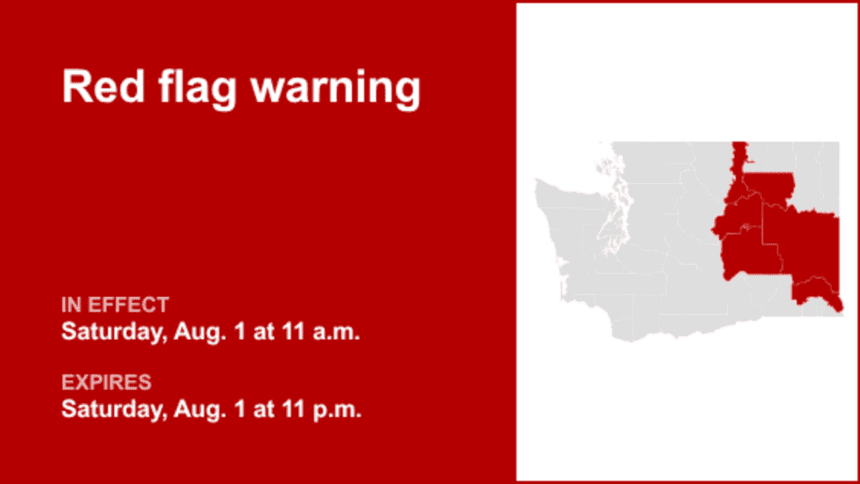
On Friday, a red flag warning was announced for Saturday, specifically affecting the Colville Reservation, Okanogan Valley, and other areas in the Inland Northwest. The NWS highlighted that winds could reach speeds of 20 to 30 mph, with gusts potentially hitting 50 mph. The relative humidity is expected to be alarmingly low, between 15% and 20%. This combination underscores the risk of rapid fire spread, making immediate action imperative for residents in these zones.
Precautionary Measures During a Red Flag Warning
Given the heightened risk of wildfires, it’s essential to know what steps to take during a red flag warning. The NWS provides the following critical measures to lower fire risks:
- 1. Secure Burn Barrels: Ensure that any burn barrels in use are covered securely with a heavy metal lid, featuring holes no larger than 3/4 of an inch to prevent sparks from escaping.
- 2. Handle Smoking Materials Responsibly: Avoid tossing lit cigarettes or matches out of moving vehicles. Even seemingly small actions can ignite dry vegetation and lead to catastrophic fires.
- 3. Extinguish Outdoor Fires Thoroughly: If you have a fire outdoors, ensure it is completely extinguished by dousing it with water and stirring the ashes. Never leave charcoal unattended.
- 4. Never Leave Fires Unattended: Even small embers can reignite in favorable conditions, so it’s vital to monitor any fire closely.
Why This Is Trending
This issue is resonating with an Indian audience for several reasons. Given India’s own struggles with seasonal wildfires during summer months, awareness and discussions on fire safety are increasingly relevant. Additionally, with global warming intensifying weather patterns, many are curious about how similar phenomena manifest in their regions and what precautions can be taken. The rising frequency of extreme weather events across the globe highlights the urgent need for better preparedness and safety practices in similar contexts.
Frequently Asked Questions
What causes a red flag warning to be issued?
A red flag warning is issued based on a forecast of high temperatures, low humidity, and strong winds, which together create conditions conducive for rapid fire spread.
How long can a red flag warning last?
The duration of a red flag warning can vary; for instance, in the latest instance, it is effective from 11 a.m. to 11 p.m. on Saturday, but each warning is assessed based on current conditions.
What personal precautions can individuals take during a red flag warning?
Individuals should secure any source of fire, avoid careless disposal of smoking materials, and monitor outdoor fires closely. It’s crucial to stay informed through local weather updates.
Who issues a red flag warning?
The National Weather Service issues red flag warnings to alert the public about potential fire hazards based on weather forecasts and observations.