
The Vatican Museums are a treasure trove of art and history, often overshadowed by the iconic Sistine Chapel. For Indian art enthusiasts and travelers, there are lesser-known masterpieces that tell captivating stories, offering a richer experience of Renaissance art. Here’s a guide to five remarkable artworks that deserve attention beyond the usual attractions.
The Borgia Apartments: A Tale of Deception
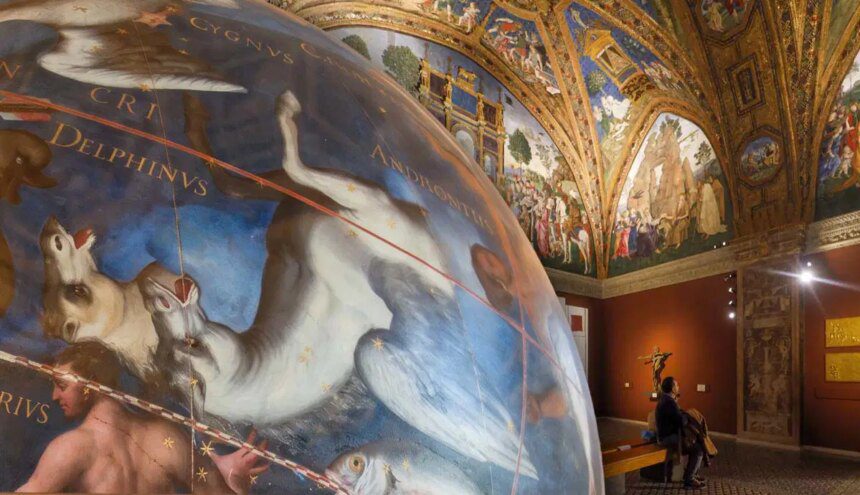
Hidden away on the path to the famous Raphael Rooms, the Borgia Apartments might be easily overlooked by crowded tour groups. These rooms are a testament to Pope Alexander VI’s extravagant tastes, adorned with frescoes by Pinturicchio between 1492 and 1494. However, their history takes a darker turn, as Julius II, Alexander’s successor, sealed them in disdain, leading to their long period of neglect.
The standout feature is the Sala dei Santi or Hall of Saints. While the walls are filled with martyrs, the ceiling hosts Egyptian deities, reflecting Alexander VI’s attempts to fabricate a divine lineage. His reliance on the forger Annio da Viterbo to link the Borgias to these ancient figures tells a fascinating story of power and mythology.
Leonardo’s Unfinished Gem: Saint Jerome
Known for being among the quieter treasures of the Vatican, Leonardo da Vinci’s unfinished work, Saint Jerome, lives in Room IX of the Pinacoteca. This piece, despite its incomplete nature, captivates visitors with its dramatic expressiveness.
Discovered only in the 19th century after being cut into pieces, the reassembled work is a visual testament to Leonardo’s genius. What makes it even more intriguing are the visible repair lines, which narrate its tumultuous past as it was used in various craft shops before its recovery. It invites connoisseurs to appreciate not just the art but also the journey it endured.
Raphael’s Tapestries: An Overlooked Masterpiece
While the Sistine Chapel is synonymous with Michelangelo, it was initially designed to be accompanied by tapestries commissioned from Raphael. These tapestries, depicting the lives of Saints Peter and Paul, were made to enhance the chapel’s visual narrative. Unfortunately, many were damaged during the 1527 Sack of Rome.
Visitors will find these tapestries beautifully displayed in the Gallery of Tapestries, a lesser-visited area that enriches one’s understanding of the artistic conversation between these two Renaissance giants. The tension between Michelangelo and Raphael adds another layer of intrigue, making them worth seeking beyond the highly photographed ceiling.
Why This Is Trending
As travel restrictions ease, Indians are rediscovering the allure of international destinations, especially cultural hotspots like the Vatican. Interest in art and cultural heritage is surging, with travelers eager to experience authentic historical narratives. The unique stories behind each piece of art resonate with Indian tourists, who often value rich histories. Furthermore, social media platforms are amplifying lesser-known gems in the art world, sparking curiosity among art enthusiasts.
Frequently Asked Questions
What are the Borgia Apartments known for?
The Borgia Apartments are known for their exquisite frescoes and the controversial history involving Pope Alexander VI, who attempted to fabricate a divine lineage for the Borgia family through these artworks.
Where can I find Leonardo da Vinci’s unfinished work in the Vatican?
Leonardo da Vinci’s unfinished piece, Saint Jerome, is displayed in Room IX of the Pinacoteca at the Vatican Museums.
What role do Raphael’s tapestries play in the Sistine Chapel’s history?
Raphael’s tapestries were designed to enhance the visual narrative of the Sistine Chapel, originally commissioned for display beneath Michelangelo’s famous ceiling, showcasing the interplay between the two artists.
Why should I visit the Gallery of Tapestries?
The Gallery of Tapestries offers a chance to see Raphael’s intricate designs while providing a quieter, more focused museum experience away from the crowded sections of the Vatican.