
The Future of Travel: Is Your Face the New Passport?
As we advance further into the digital age, the way we travel is undergoing a transformative shift. No longer will we be required to carry traditional paper passports, as facial recognition technology and smartphones are paving the way for a new paradigm of identity verification. This evolution not only redefines the travel experience but also raises critical questions about privacy, security, and the implications of these technologies in our daily lives.
A Historical Perspective on Passports
For centuries, passports have served as crucial documents that facilitate international travel. The modern passport system gained traction after World War I, evolving from simple travel documents to standardized identification meant to enhance security. With the introduction of e-Passports in 2006, which included RFID chips, the passport began its transition into the digital realm. However, the COVID-19 pandemic has accelerated the push for even more seamless travel experiences, fundamentally changing the way we think about travel documentation.
The Rise of Facial Recognition Technology
The use of facial recognition technology in airports is quickly becoming mainstream. Countries such as Finland, Canada, the Netherlands, and the United Arab Emirates have already trialed passport-free travel systems. Recently, in October 2023, Singapore made headlines by allowing its residents and foreign visitors to fly in and out of the country without traditional documents. The government reported that over 1.5 million people have utilized these systems, highlighting a significant demand for efficiency in air travel.
Advocates for this technology argue that it can significantly reduce the wait times at airports, allowing for a smoother and more efficient boarding process. By linking facial data stored in a mobile application to your travel details, airlines and airport authorities can streamline the verification process, potentially transforming how we understand identity checks during travel.
How it Works
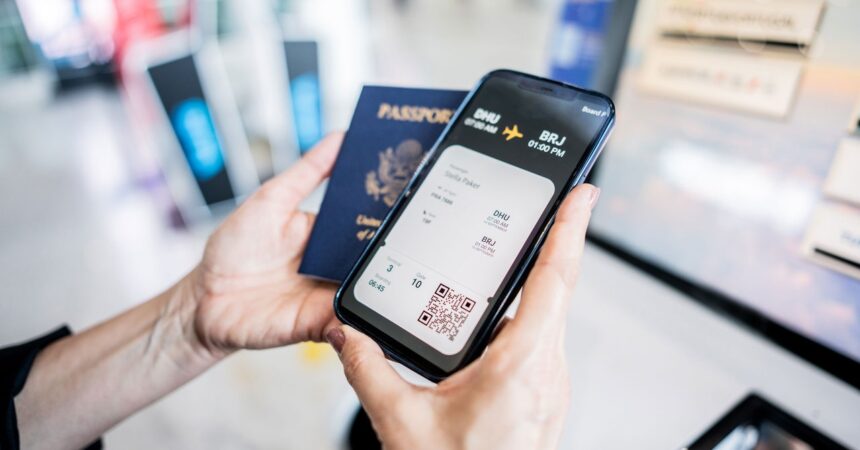
Typically, the system operates by storing information traditionally kept in a passport’s RFID chip on a user’s smartphone. When you reach the airport, you can present your phone to a facial recognition camera, which will compare your live image to the one stored in the app. If the images match, you’re cleared for travel. The European Union is even developing an official travel app to help facilitate this system, indicating a trend toward broader adoption.
Privacy Concerns and Data Security
While the convenience of passport-less travel is enticing, it is not without its risks. Privacy experts are sounding alarms about the lack of transparency regarding the technologies being deployed at airports and the potential for data breaches. The centralization and digitization of personal data amplify concerns about surveillance, identity theft, and misuse of information. Critics argue that, as these technologies proliferate, they could lead to a society where citizens are continually monitored, raising ethical concerns about autonomy and privacy rights.
It’s crucial for governments and technology providers to ensure that adequate safeguards are in place. This includes creating robust cybersecurity measures, establishing clear data governance policies, and maintaining transparency with the public about how their data is being used.
The Path Forward
The momentum for passport-less travel is undeniable. According to Athina Ioannou, a lecturer in business analytics at the University of Surrey, the trends we’re observing today are likely to become the mainstream way of traveling in the near future. The COVID-19 pandemic has provided a catalyst for contact-free travel, as the world looks for solutions to expedite passenger movement through crowded airports.
As more airports around the globe experiment with and implement these systems, it will be essential for travelers to stay informed about how these changes affect their rights, privacy, and security. Policymakers, technology companies, and airlines must collaboratively address the concerns associated with facial recognition technology to ensure a travel experience that is not only convenient but secure.
Conclusion
The idea of using our faces as passports raises exciting possibilities for the future of travel, redefining human interaction in airports. However, it also pushes us into uncharted territory where the balance between innovation and privacy needs to be carefully managed. As we stand on the brink of this new travel era, it is imperative for all stakeholders to engage in meaningful dialogue about how to navigate these advances responsibly. Embracing the future of travel means acknowledging not just the advancements in technology, but the very human aspects of security, personal privacy, and trust.